Vivo X300 Pro Price in India and Variants
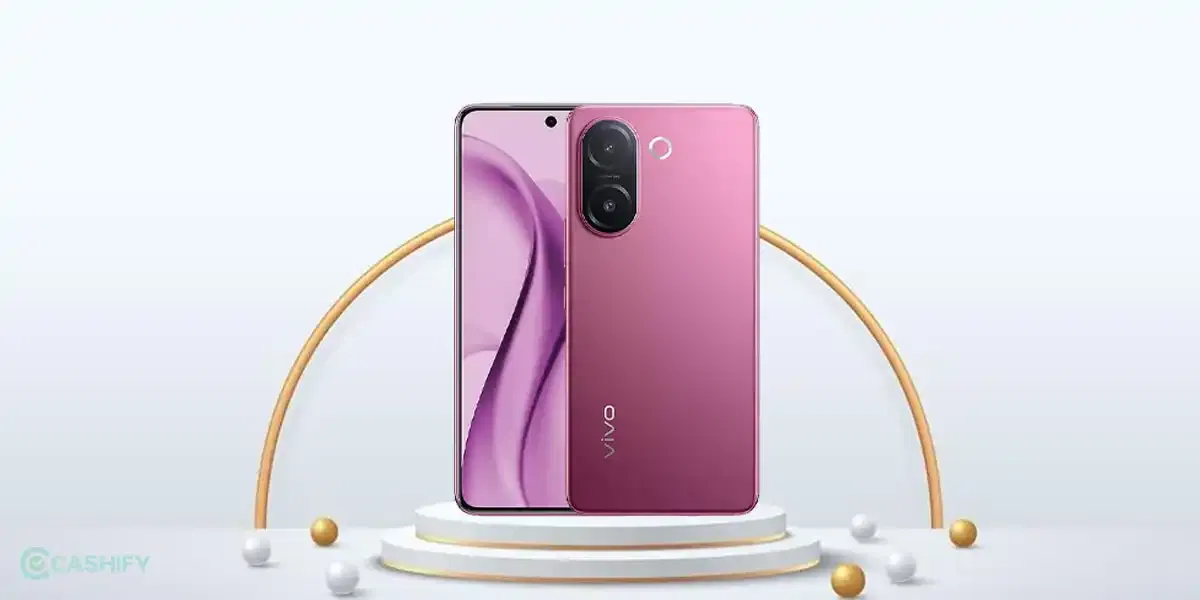
Vivo X300 Pro price is 1,09,999 rupees in India. This price is for 512GB storage and 16GB RAM. This phone is available in Elite Black and Dune Gold colours. You can buy this phone from Flipkart and Amazon.
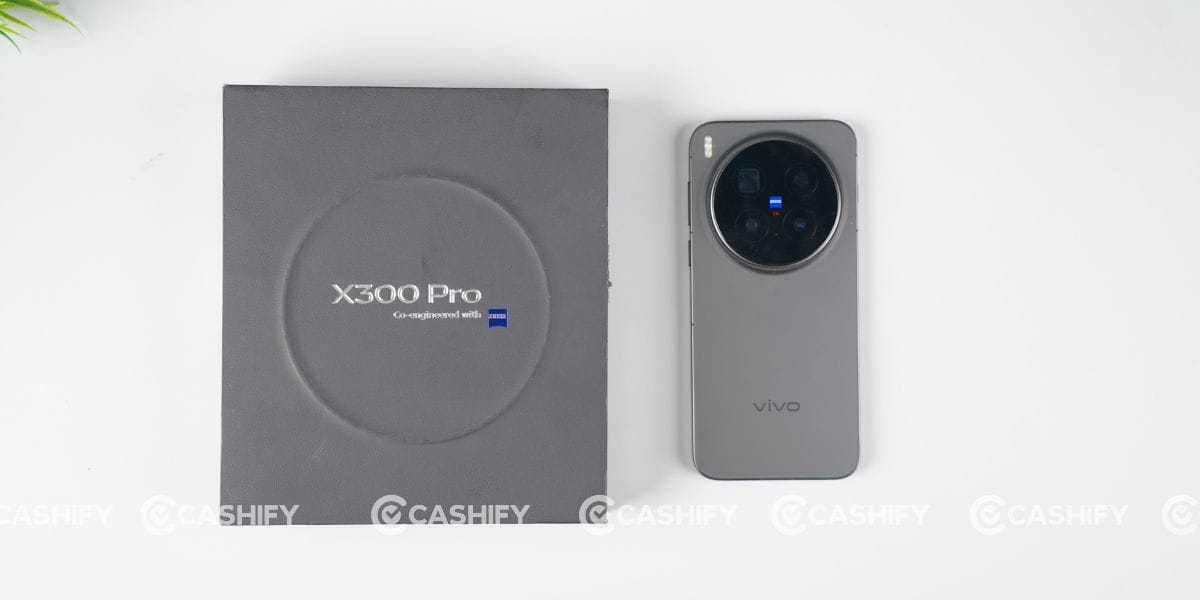
Vivo X300 Pro Box Contents
The Vivo X300 Pro packs the following items inside the box:
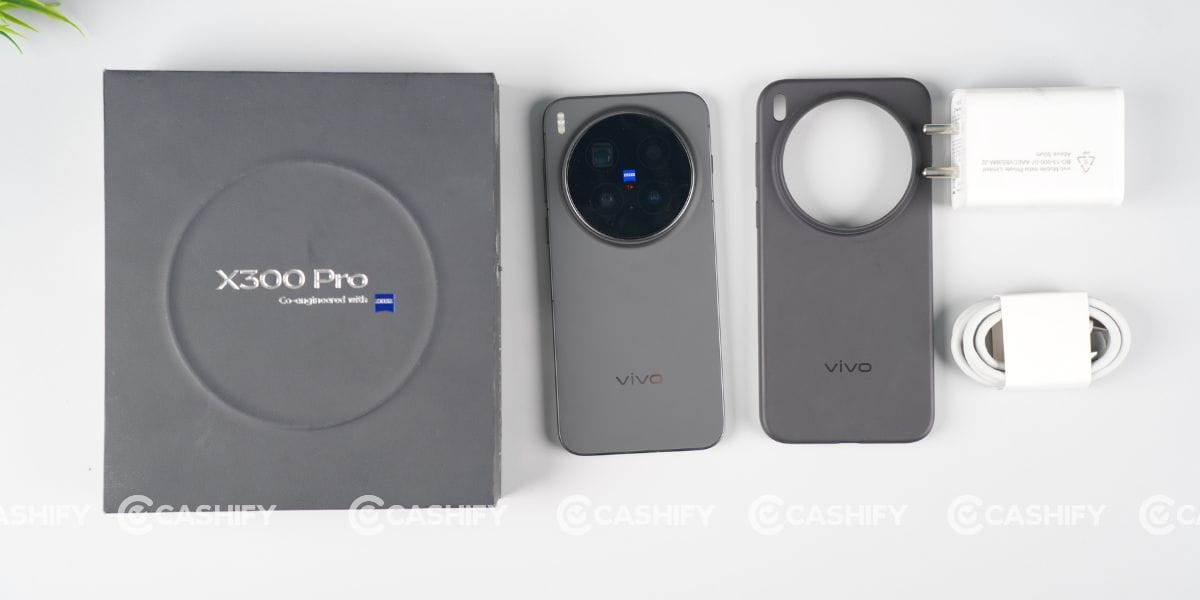
- Phone
- 90W Charger
- Type C cable
- SIM ejector tool
- Protective cover
- Documentation
Vivo X300 Pro Specs at a glance
Before we talk in detail about the Vivo X300 Pro, let’s see what the on-paper specs look like:
- Display: 6.78 inches LTPO AMOLED screen
- Chipset: Mediatek Dimensity 9500 (3 nm)
- RAM & ROM: 256GB 12GB RAM, 512GB 16GB RAM, 1TB 16GB RAM
- Software: Android 16 Origin OS 6
- Rear camera: 50MP, 200MP, 50MP
- Selfie camera: 50MP
- Battery: 6510mAh
- Weight: 226 grams
- Dimensions:161.2 x 75.5 x 8 mm
Vivo X300 Pro Design and Build
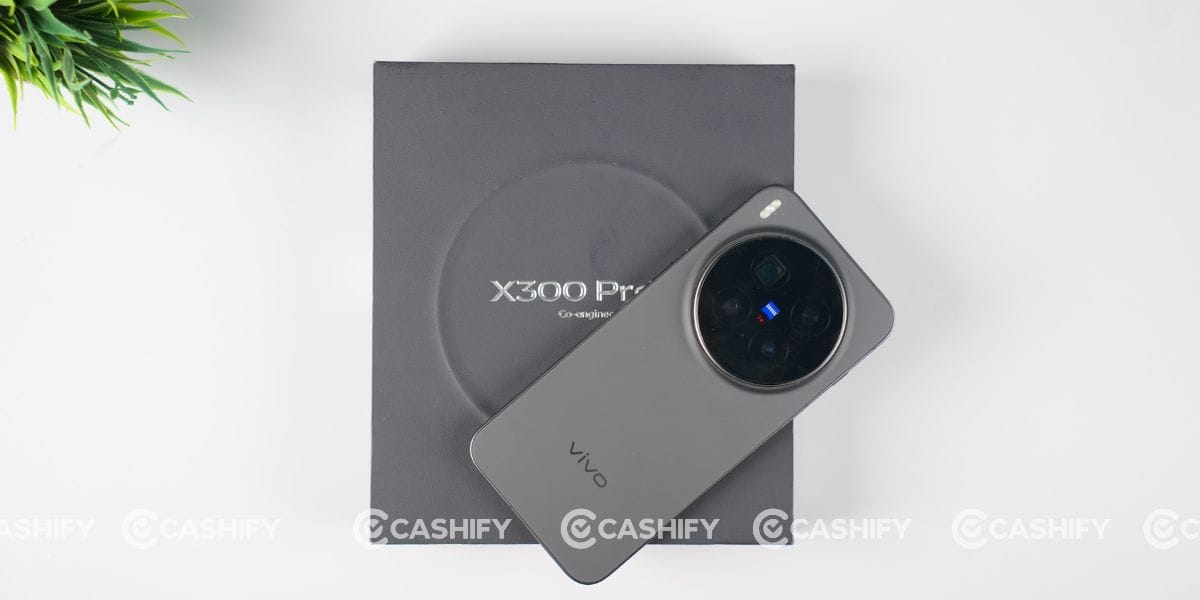
Vivo X300 Pro features a beautiful, larger design. I’m using its Elite Black colour, which looks so elegant. While this is another colour, Dune Gold, available in India (its global market colour is a little bit different).
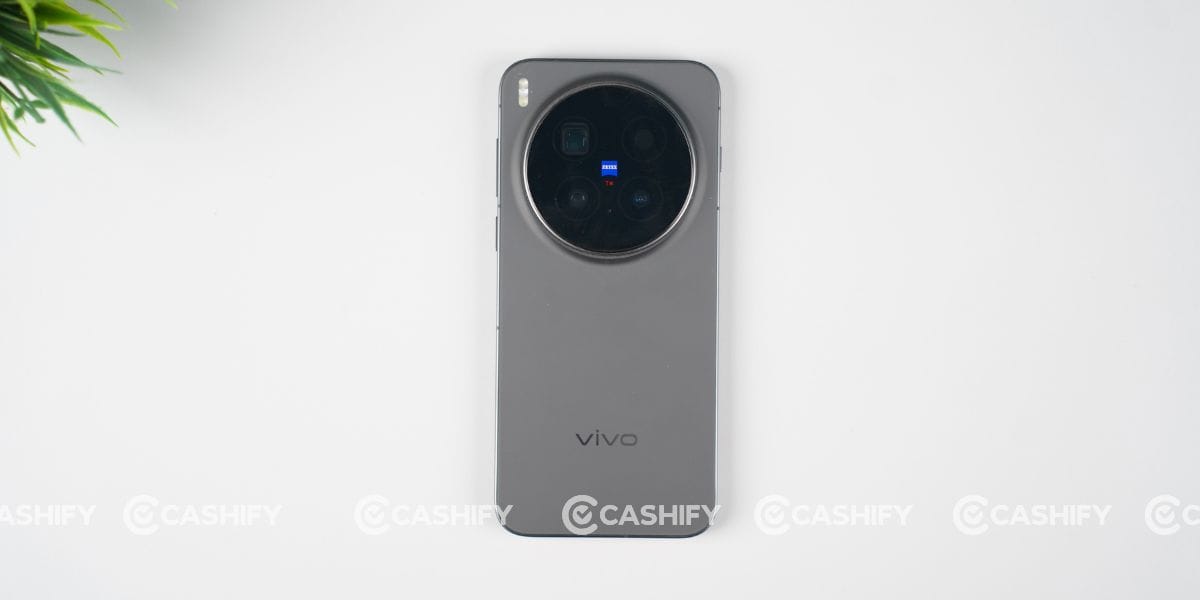
Its in-hand feel is so premium, and the matte finish is so smooth, which does not attract fingerprints.
The camera bumps a little bit, protruding from the body, but lies down on the table perfectly without dissemblance. Vivo added three LED lights at the corners of the phone, which help take the best images in low light.
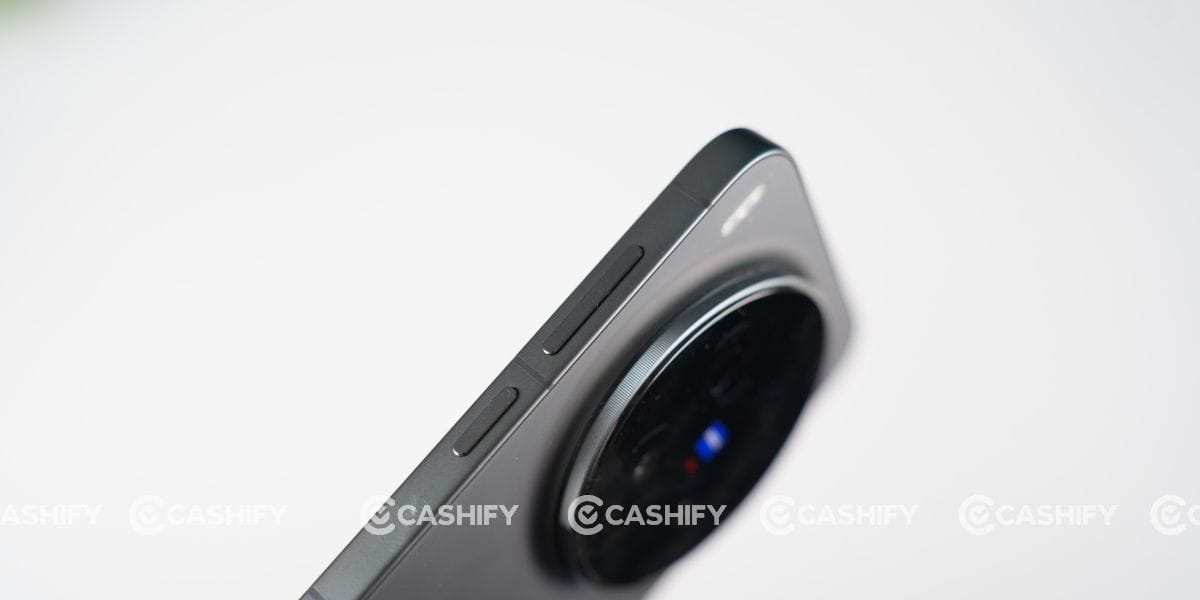
This phone has an aluminum alloy frame with matte-finish glass and Armor Glass on the front to protect it from damage. It is a bit heavy at 226 grams and measures 161.2 x 75.5 x 8 mm.

One of the best is the IP68/IP69 rating for dust-tight and water-resistant, which makes it resistant against high-pressure water jets and immersible up to 1.5m for 30 min.
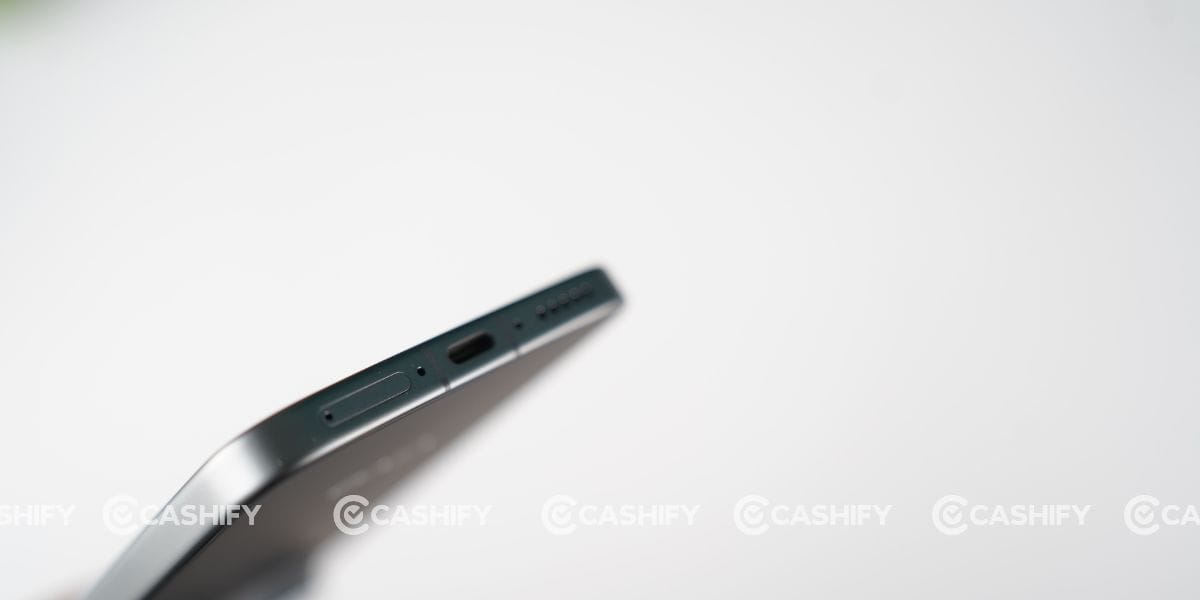
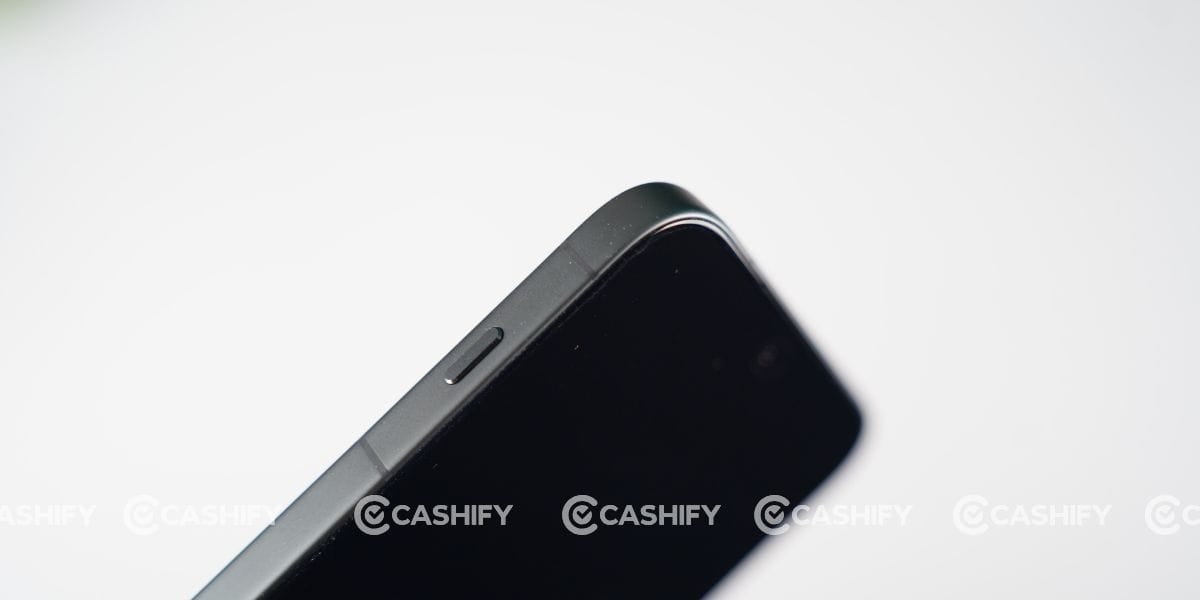
Talking about ports, the Vivo X300 Pro comes with action buttons on the left side, which are customisable. I’m using this to open the flashlights. Its right side contains a volume and power buttons. At the top, it has a secondary speaker, and at the bottom, a microphone, Type-C jack, and SIM tray.
Also Read: Samsung Galaxy Z Flip7 Long Term Review: The True King Of Flip Phones
Vivo X300 Pro Camera
Vivo X300 Pro has a strong hold on camera thanks to its rich features powered by Zeiss. This phone comes with a 50MP wide, 200MP periscope telephoto, and 50MP ultrawide sensor.
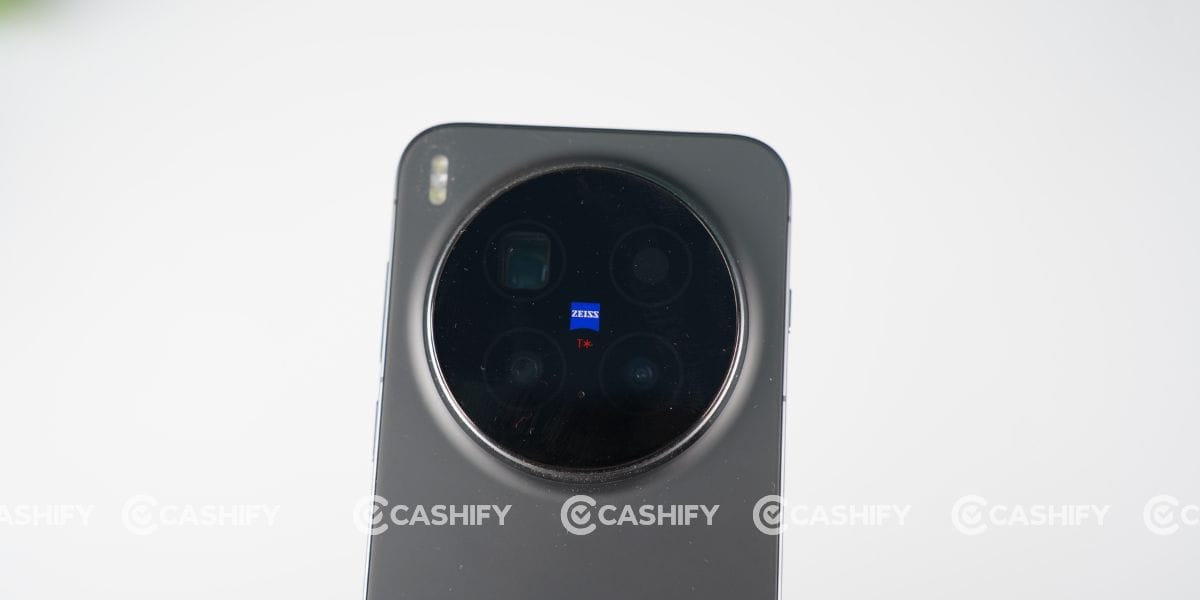
Its primary camera leverages a Sony LYT-828 sensor with OIS and a bright aperture of around f/1.57. It captures rich details with natural skin tones and good highlight retention.
It also offers cleaner output without overexposed highlights typical of some rivals. When I was shocked after capturing images in bright light, the camera managed to capture even a single hair that was out of its league.
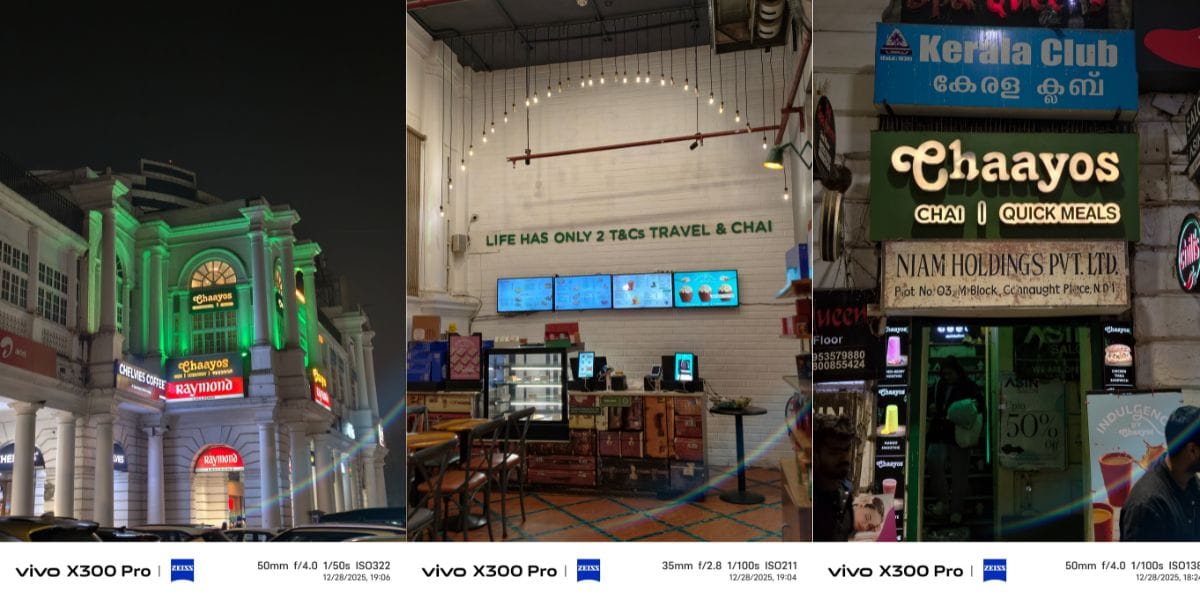
The best thing it does is retain proper edge detection, which I rarely see in any device. Clarity of detail and edge separation is one of Vivo’s biggest strengths here.
Moreover, you can see some samples that capture the lights in Majnu Ka Tila. The cafe lights are a bit dull, but the primary camera worked well to capture proper skin tones. However, one needs to look at how Vivo uses extra HDR, which sometimes results in slightly overprocessed skin compared to Pixel and iPhone cameras.
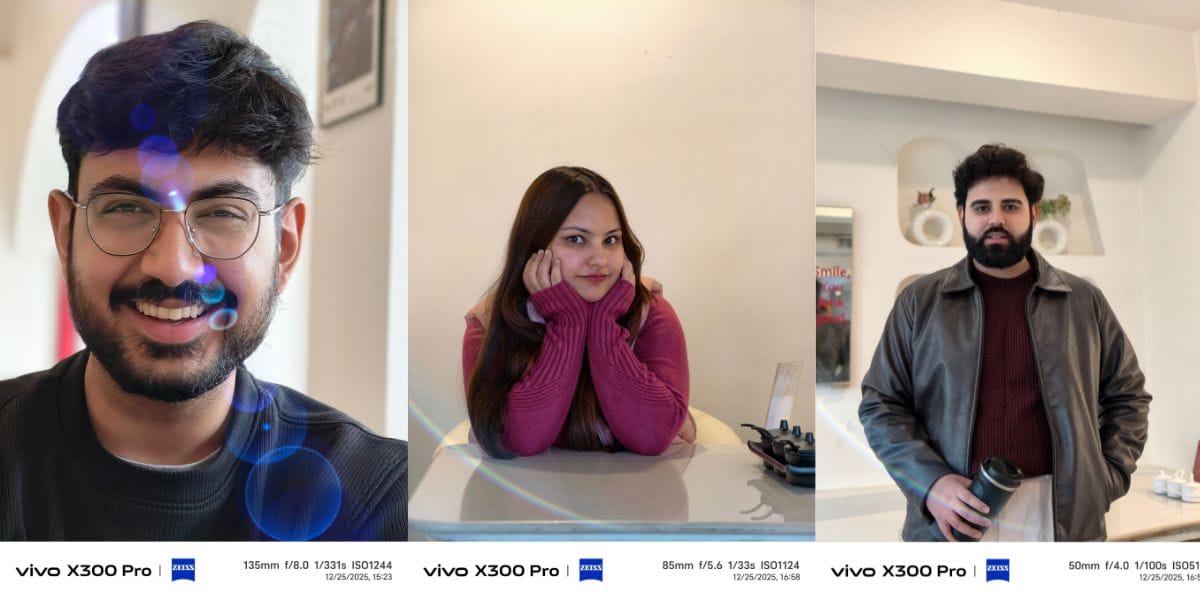
Just as an example, all three images were taken in the same cafe, but some faces look slightly overprocessed compared to the actual tone and colour. In contrast, the middle image, where the look stayed natural, proves that the camera can produce excellent results without heavy processing. HDR behaviour changes depending on the lighting and the subject.
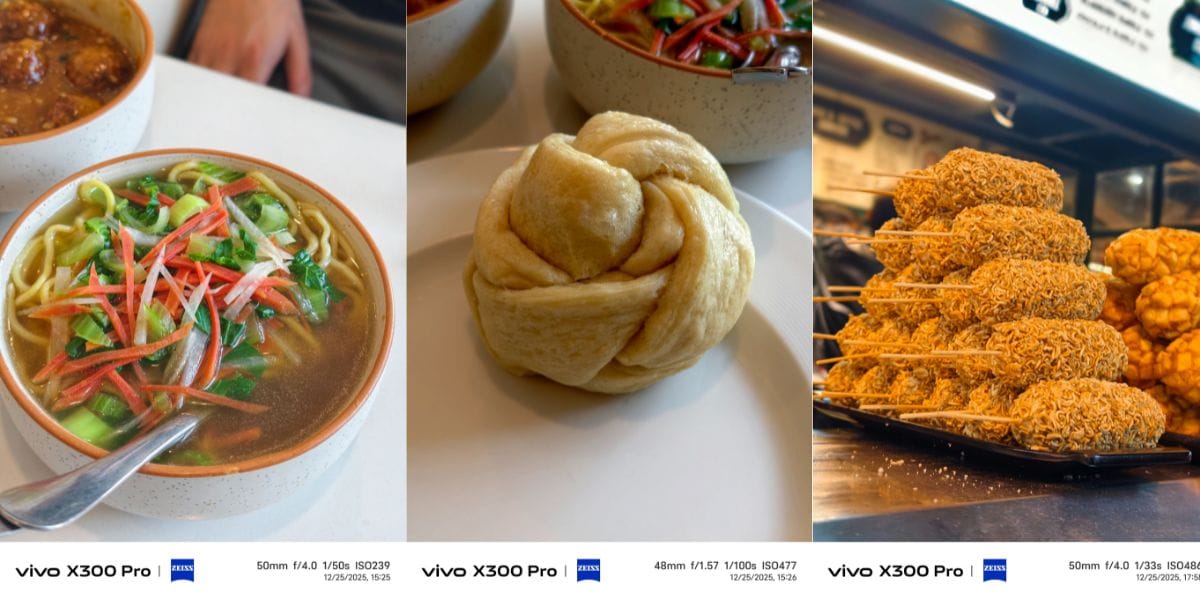
When moving to open lighting, the scenario changes completely. It becomes unbeatable with accurate colour-rich depth and balanced tones. You can see my image taken on the Yamuna bridge in natural lighting. I felt a slight skin tone shift, but that is part of Vivo’s colour science, which I have seen across multiple Vivo phones that I have reviewed.

During the Vivo X300 Pro review, I clicked many images in portrait mode, and this became my favourite. It delivers perfect edge detection, striking background blur, and natural glare, powered by Zeiss. Sometimes I even preferred to take normal wide shots in Portrait mode.
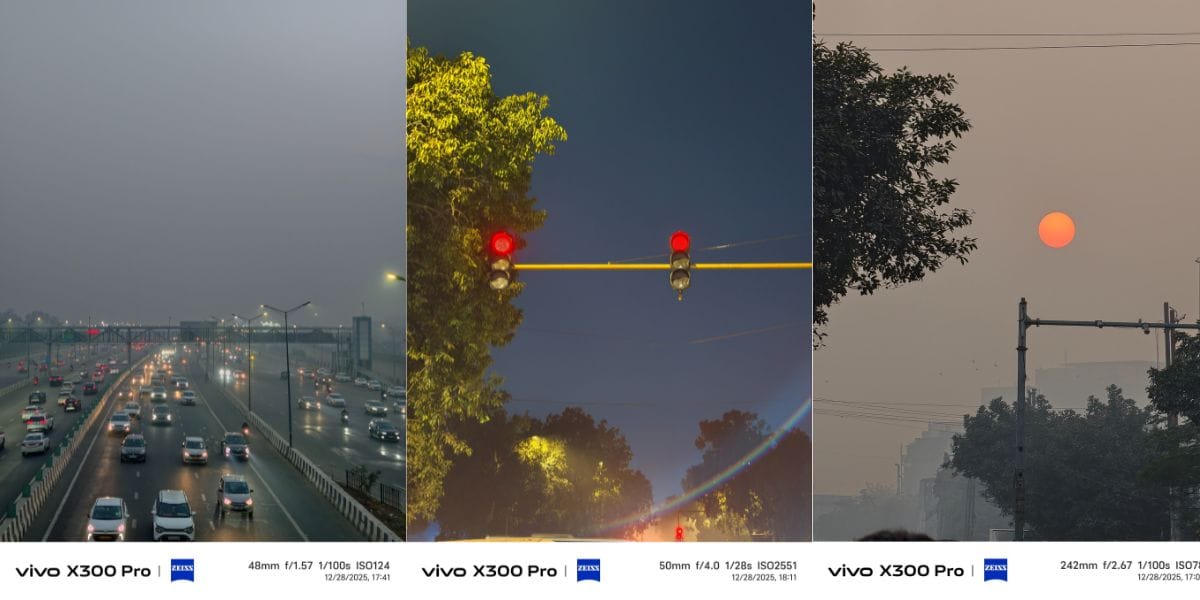
You also get multiple camera modes like Food, Night, Landscape, Stage, Snapshot, Portrait, Pro, Street Photography, and more. These modes give flexibility, but Portrait remains the strongest.

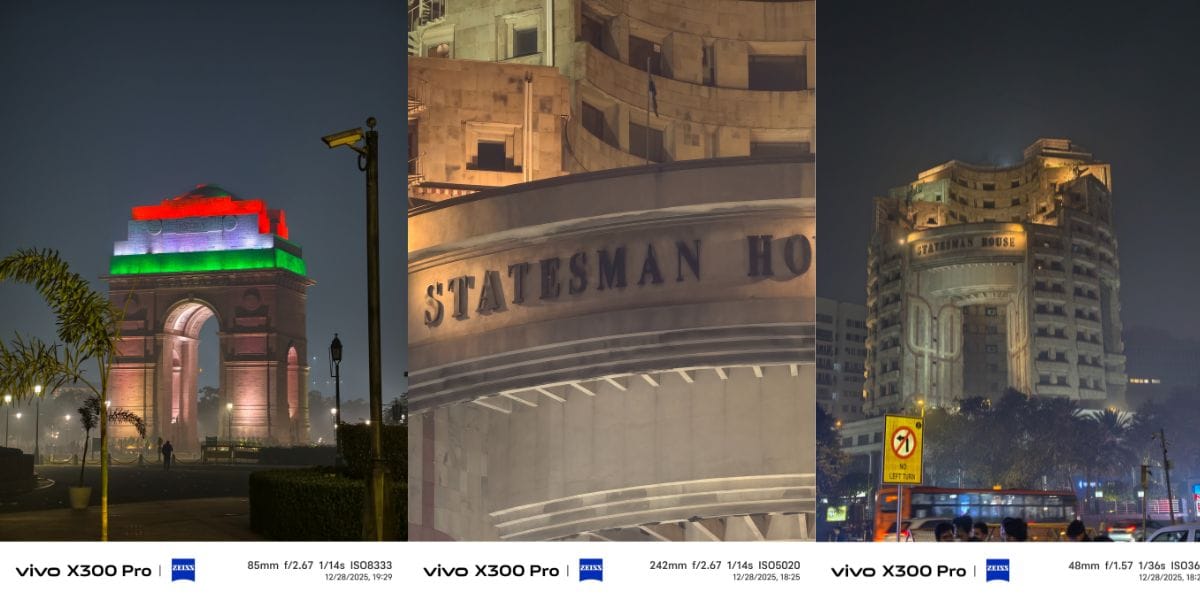
Ultrawide is also good. When I was reviewing this phone, most of the time the weather was quite foggy, so I took many cinematic wide shots. Wide-angle images are sharp in good light but lose some detail and dynamic range in low light, and do not quite match the main or telephoto camera output.
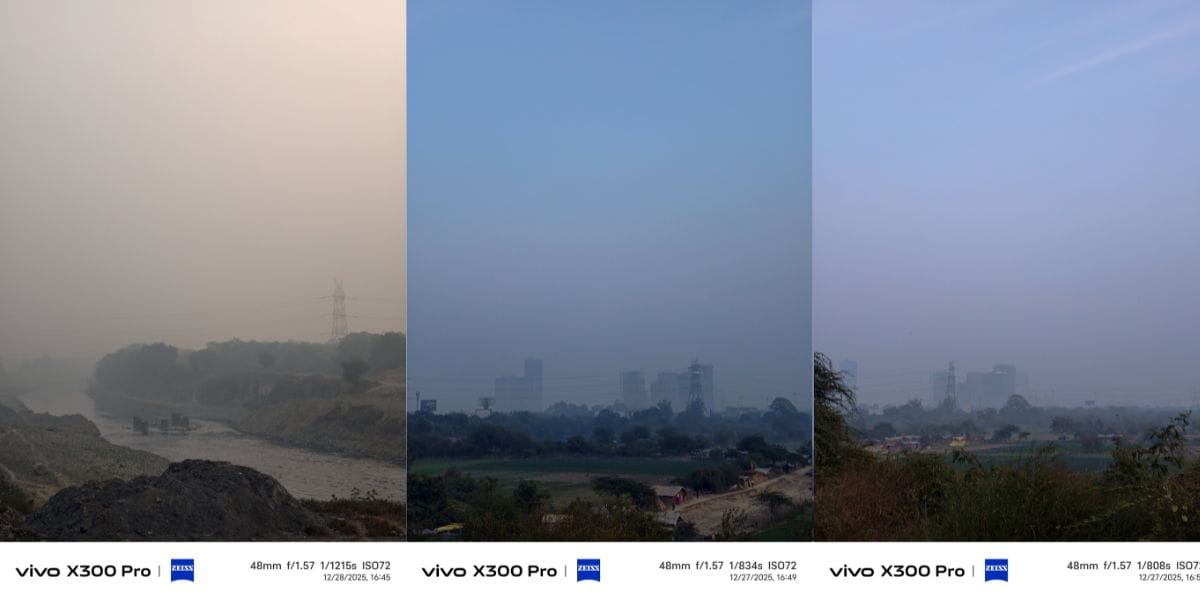
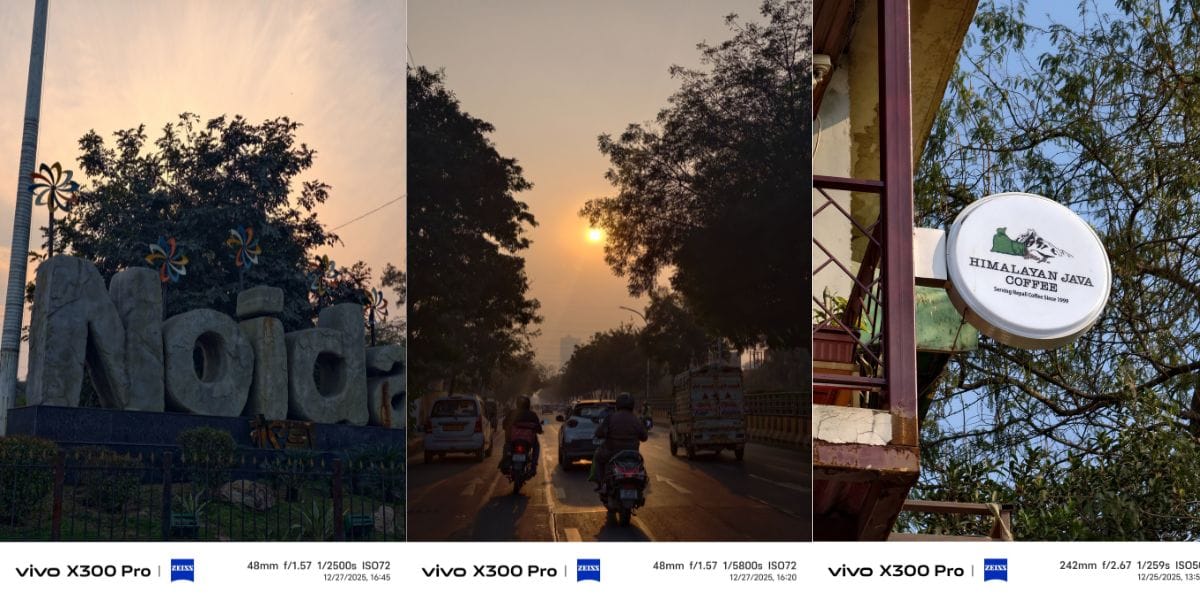 Low light remains a strength because it handles night shots well, keeping noise under control and preserving texture without aggressive processing. The main camera still leads in night photography.
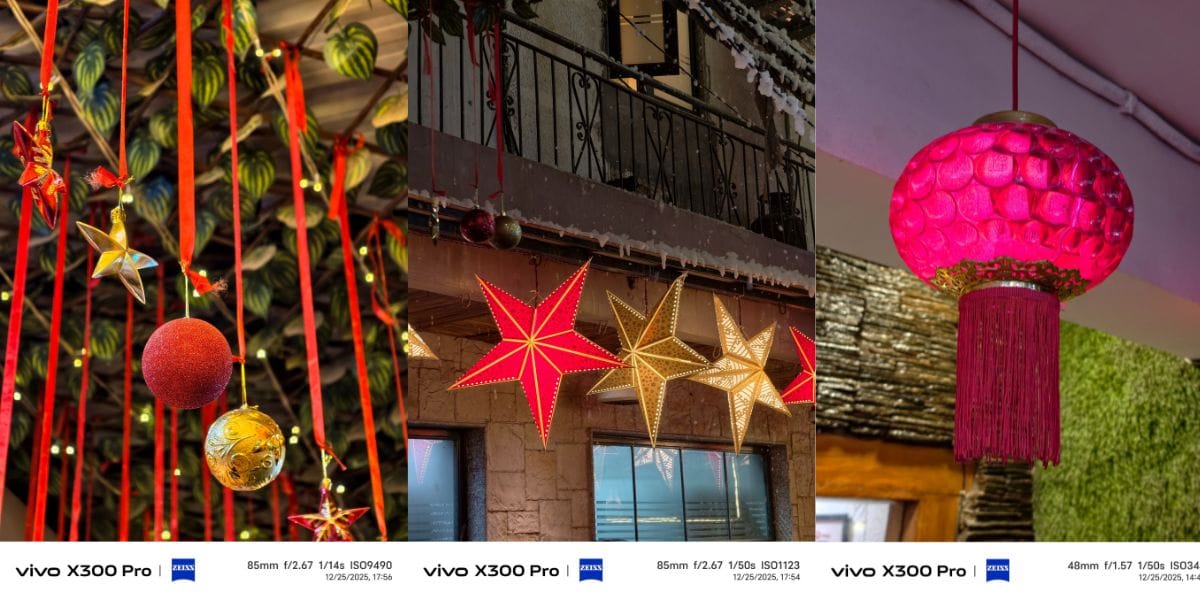
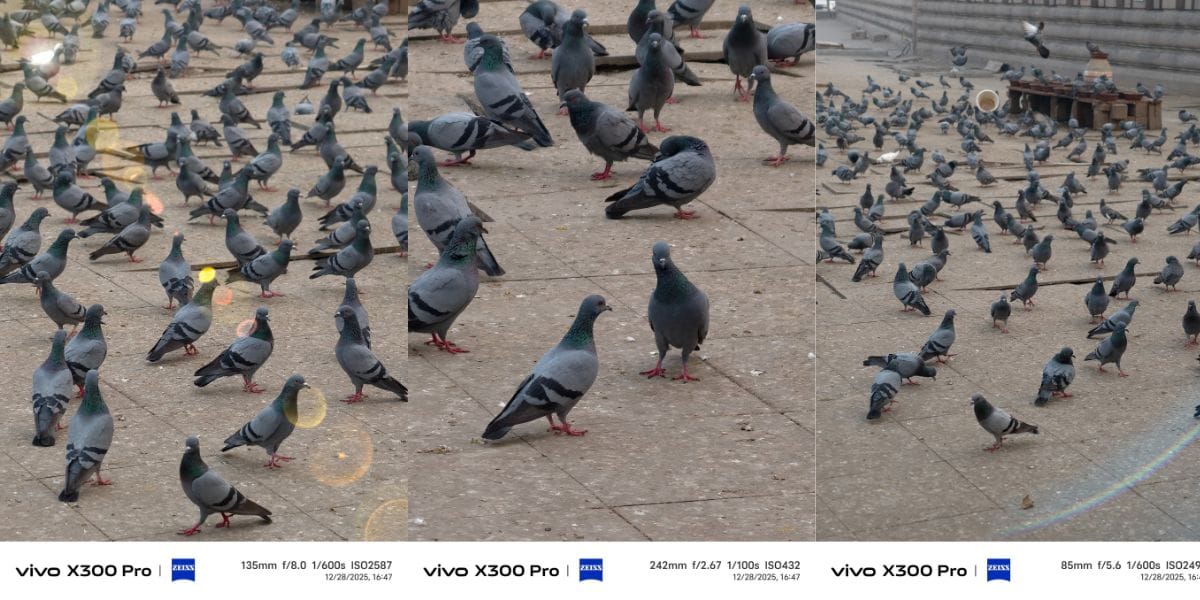
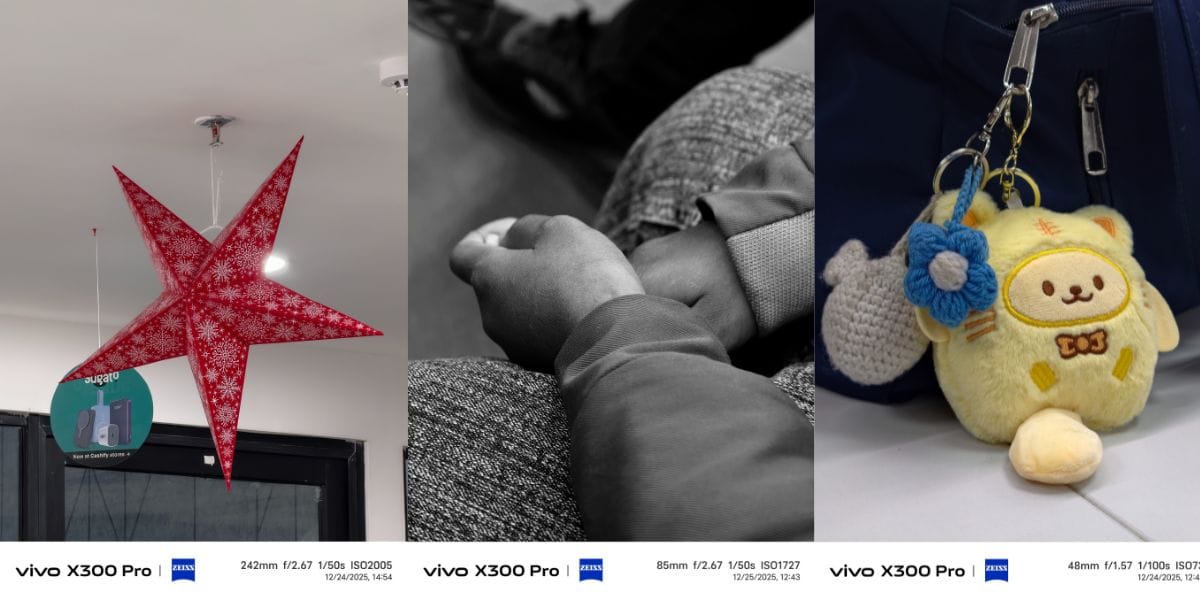
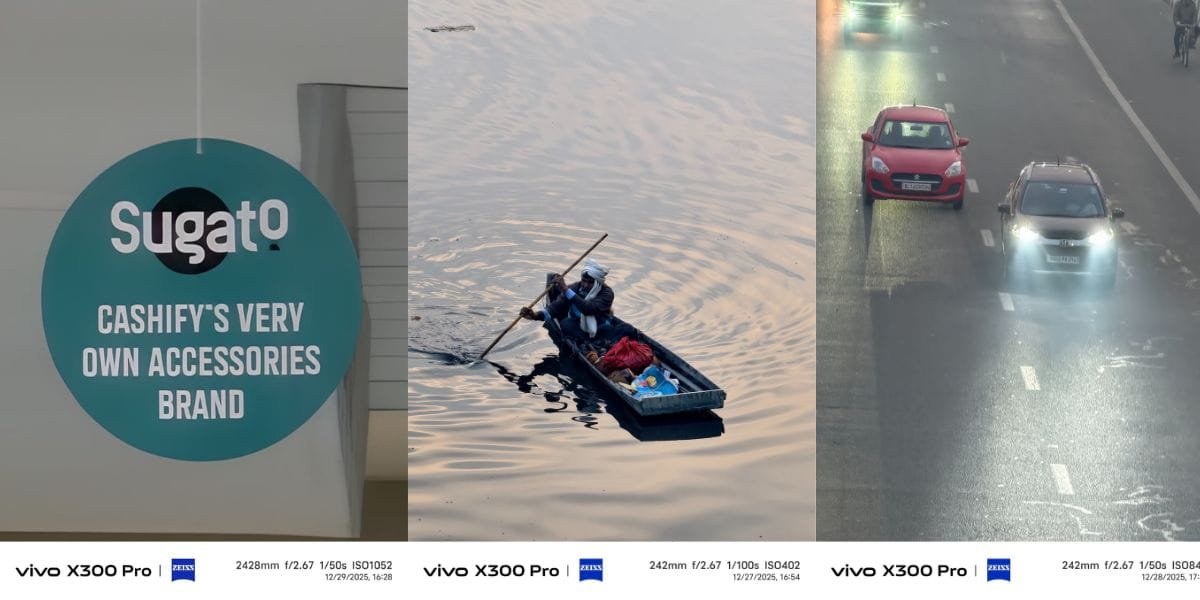
Telephoto is also impressive. After using this, the Vivo X300 Pro did a better job than the Samsung Galaxy S25 Ultra in zoom performance. Even at 100x zoom, you can still see a clear picture of the Sugato flyer, which shows how usable the long-range zoom is.
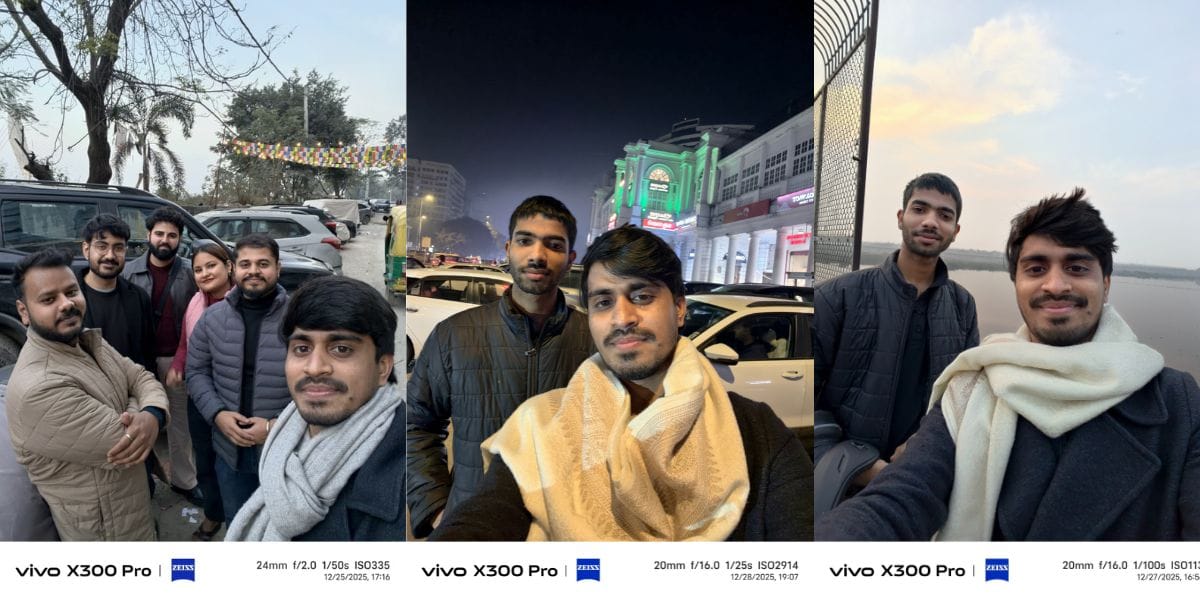
 Speaking of the front camera during the Vivo X300 Pro review, I took many selfies as well. It performs excellently in normal and portrait modes and also in group selfies. This phone retains depth skin tone, and contrast very well.
Moving on to video quality, you can record 8K video at 30fps 4K at 120fps with the rear camera, and 4K at 30fps with the front camera. High frame rate 4K adds flexibility for slow-motion and cinematic shots.
Also Read: Google Pixel 9 Pro XL Long Term Review: A Photographer’s Dream
Vivo X300 Pro Battery and Charging
Vivo X300 Pro comes with a Si/C Li-Ion 6510 mAh battery for India and global markets, while EU market phones have a Si/C Li-Ion 5440 mAh battery (due to regulations). I used this phone in two different ways, one is normal, like scrolling reels, watching downloaded movies, and some photography, then I got 11 to 12 hours of screen time.
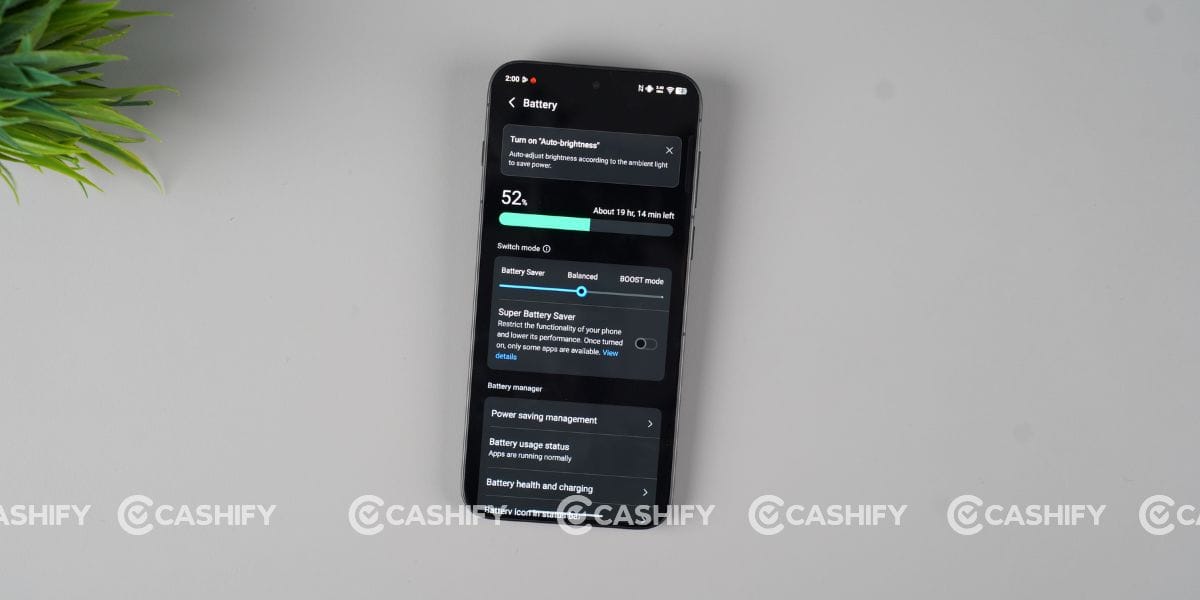
Secondly, I played only BGMI and photography, so screen time was reduced to 8 hours, which is also fine. You will get 24 hours+ standby battery life on a single charge.
Vivo x300 Pro comes with a 90W Flashcharger in the box. During the Vivo X300 Pro review, I noted the timing of every charging moment; here is the tally.
I plugged this phone in to charge at 10:54 PM from 0%, which took a little time, around 6 minutes, from 0 – 6%, then in the next 5 mins it reached 15%. I observed some rapid charging: 11:10 it reached 30%, 11:24 reached 50%, 11:37 reached 70%, 11:54 reached 94%, and 11:57 reached 100%.
This phone took 1 hour and 3 minutes to charge from 0% to 100%. Things to notice: Vivo X300 Pro took a while to charge initially, but then the flash charge actually cooked. In just 19 minutes, it went from 15% to 50%. And then it took the next 23 minutes to go from 50% to 100%.
Vivo X300 Pro Display
Vivo X300 Pro comes with a large display of 6.78 inches LTPO AMOLED display with 1B colours. This is amazing to watch movies due to the giant display. Moreover, Vivo added HDR10+, allowing you to watch high-quality videos on YouTube, Netflix, Amazon Prime, etc.
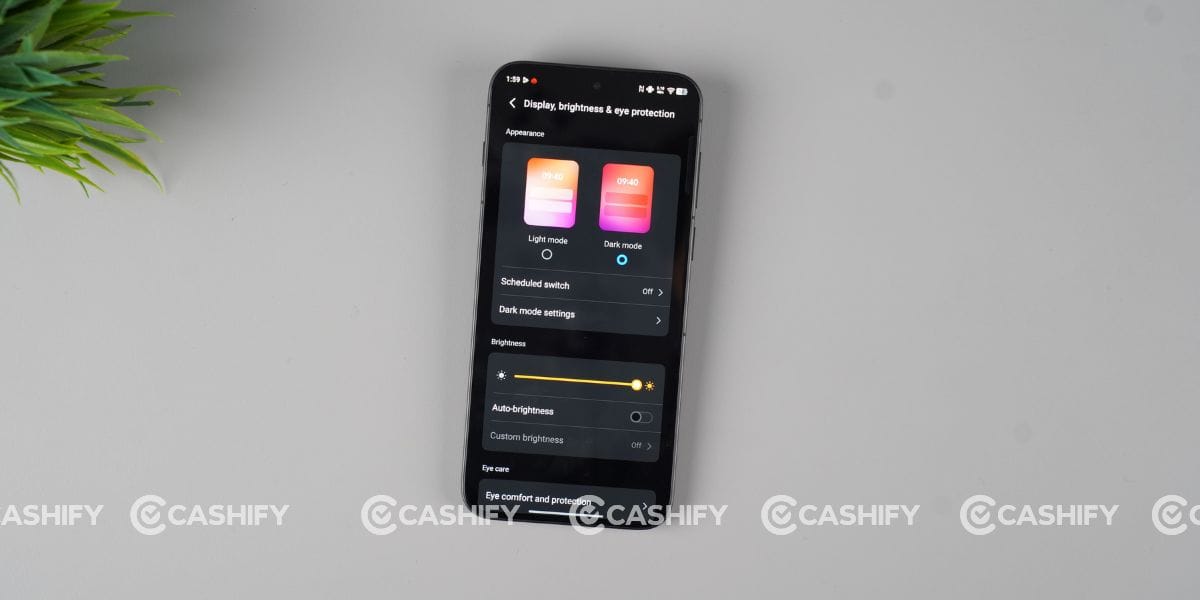
With HDR Vivid and Dolby Vision, the display delivers richer contrast, brighter highlights, and more accurate colours. Its deep black is exceptionally solid. During the Vivo X300 Pro review, I watched a dark-themed movie like Delhi Crime, which I found so amazing.
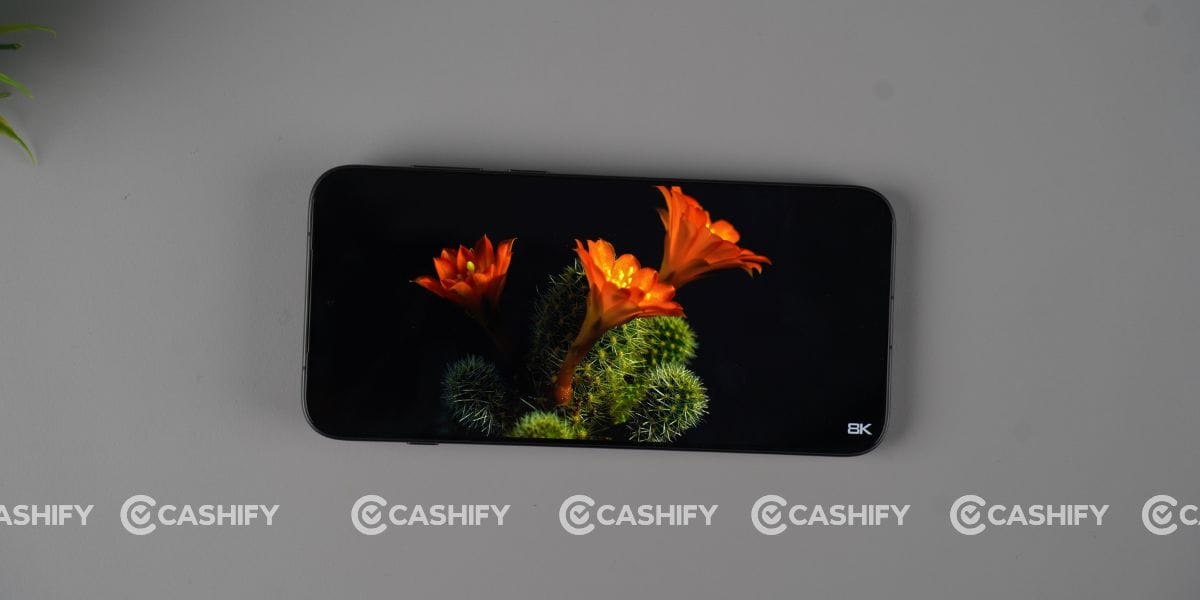
This phone has a peak brightness of 4500 nits. I’m currently in Delhi, and for the past month, we haven’t seen much sunlight due to pollution and fog. I could not accurately check the peak brightness because there was less sunlight, as peak brightness can be checked in harsh sunlight. It also comes with a 120Hz refresh rate for fast display scrolling, which can be adjusted in settings.
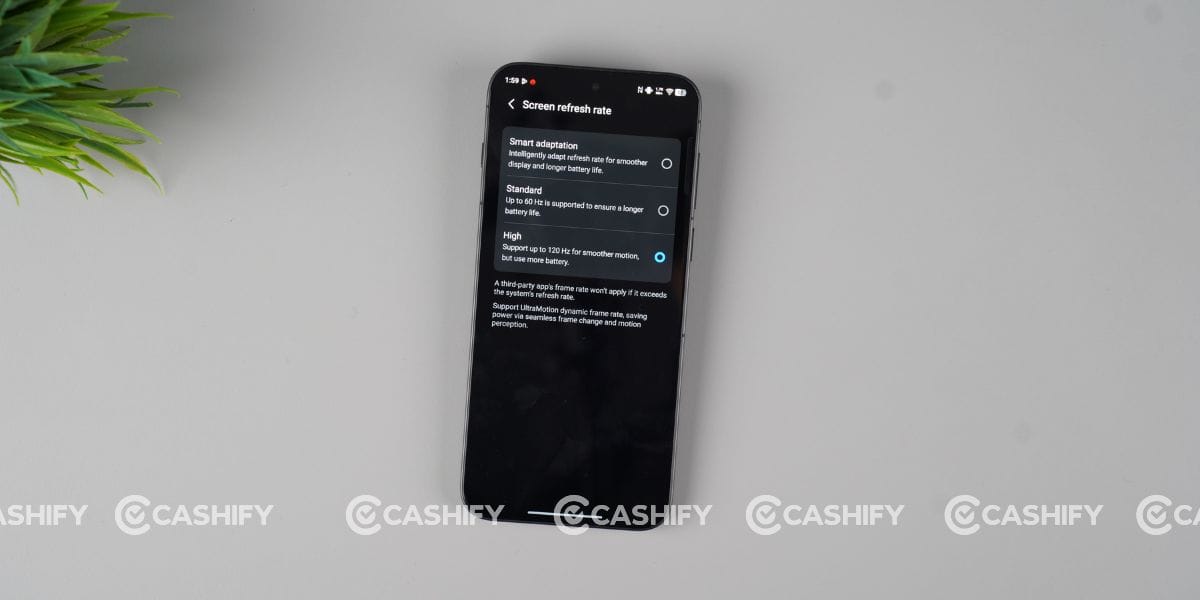
Vivo also focused on the user’s eye, which is why it added a dedicated Eye Comfort and Protection section. In this section, we get multiple subsections, including Eye Protection adjustment, monitoring, and intelligent blue-light filtering to relieve eye fatigue and prevent portrait and image distortion.
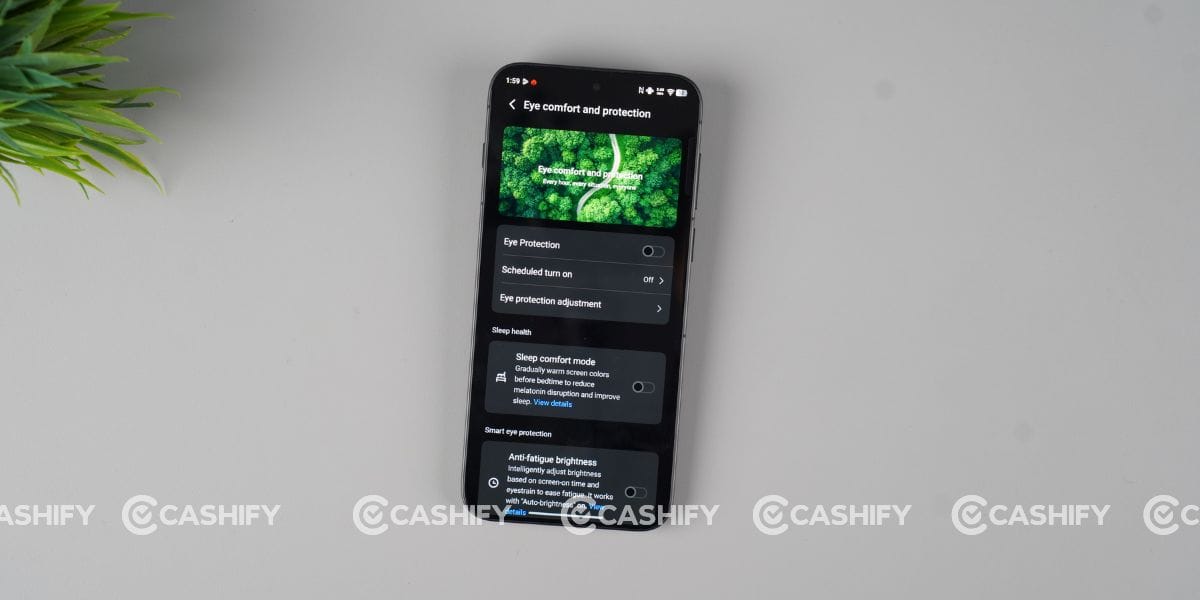
You can schedule or enable multiple things, such as sleep comfort mode, anti-fatigue brightness, adaptive color, and full PWM (Pulse Width Modulation) to reduce flicker, making it more eye-friendly and smoother.
Vivo X300 Pro Performance
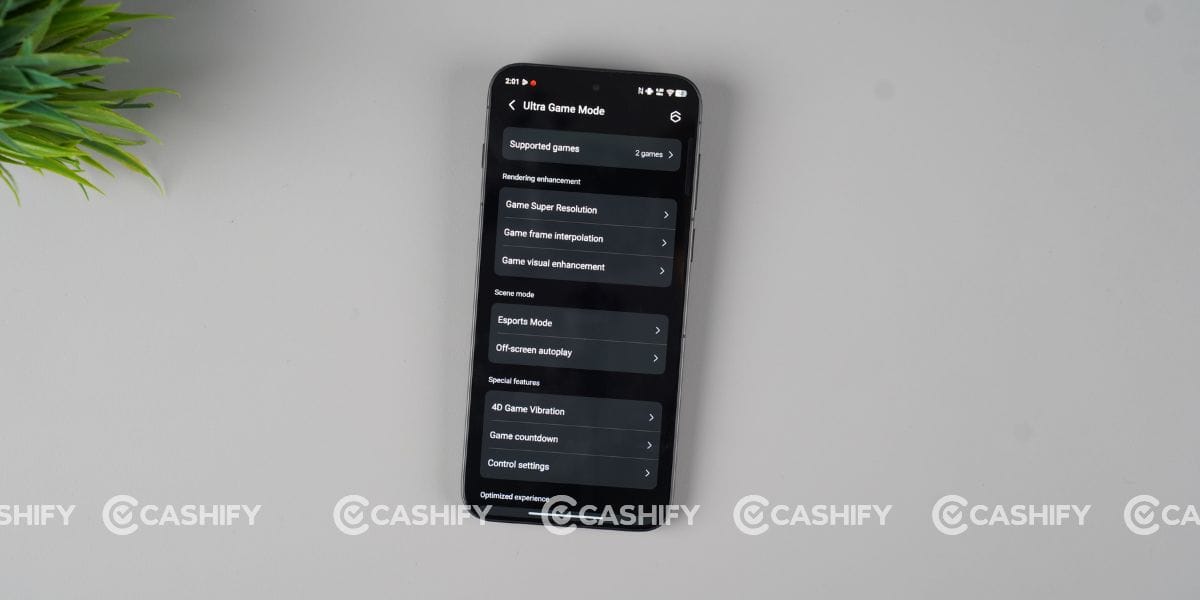
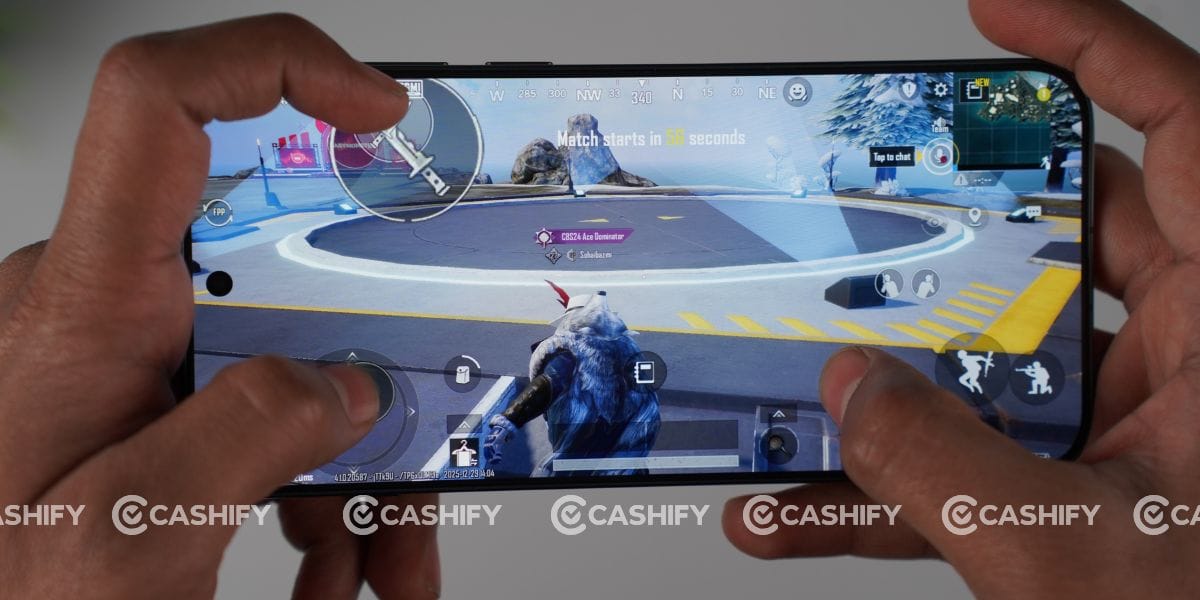
Vivo X300 Pro features a MediaTek Dimensity 9500 (3 nm) chipset, delivering outstanding performance. This is a great choice for multimedia usage, I hope this will be long after getting multiple over the year. I played a lot of BGMI games, but rarely felt any frame drops or warmth in the back. I used this phone excessively, but never felt any heat. The last time I used a Google Pixel 9 Pro XL, the phone got hot after 1 hour of use, plus camera use.
The Vivo Efficient Cooling System keeps your device running smoothly when you’re gaming or taking pictures. It uses new heat pipes and a special liquid that helps cool things down faster. Thats why Vivo X300 Pro stays cool and works better.
The MediaTek Dimensity 9500 is a powerful chip. It has a strong CPU with all high-performance cores (Cortex-X930/C1) and is built on advanced TSMC 3nm technology. It also features a new graphics unit, the Arm G1-Ultra GPU, and has a very capable AI processor (NPU 990) that can handle 100 trillion operations per second.
This means the chip can run single-core tasks up to 32% faster and graphics tasks up to 42% faster, while using less power. Moreover, it supports next-generation features like 4K video at 120 frames per second, faster storage with UFS 4.1, and Wi-Fi 7. All these improvements make the Vivo X300 Pro the best performer at a higher level.
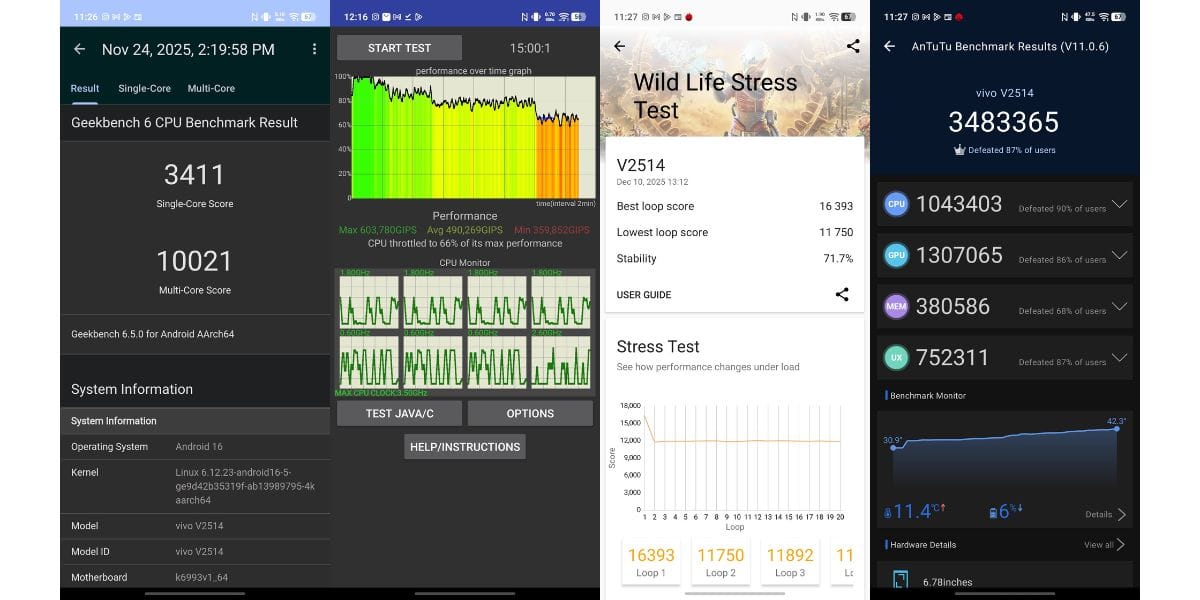
I also ran several Benchmark tests on the Vivo X300 Pro to assess its performance across different aspects. Its Geekbench scores are 3411 in single-core and 10021 in multi-core. The maximum in the CPU throttling test is 66 per cent. Moreover, its Antutu score is 3483365. The 3D Mark Wildlife Extreme Stress Test for stability has an overall score of 71.7%.
Vivo X300 Pro Software and UI
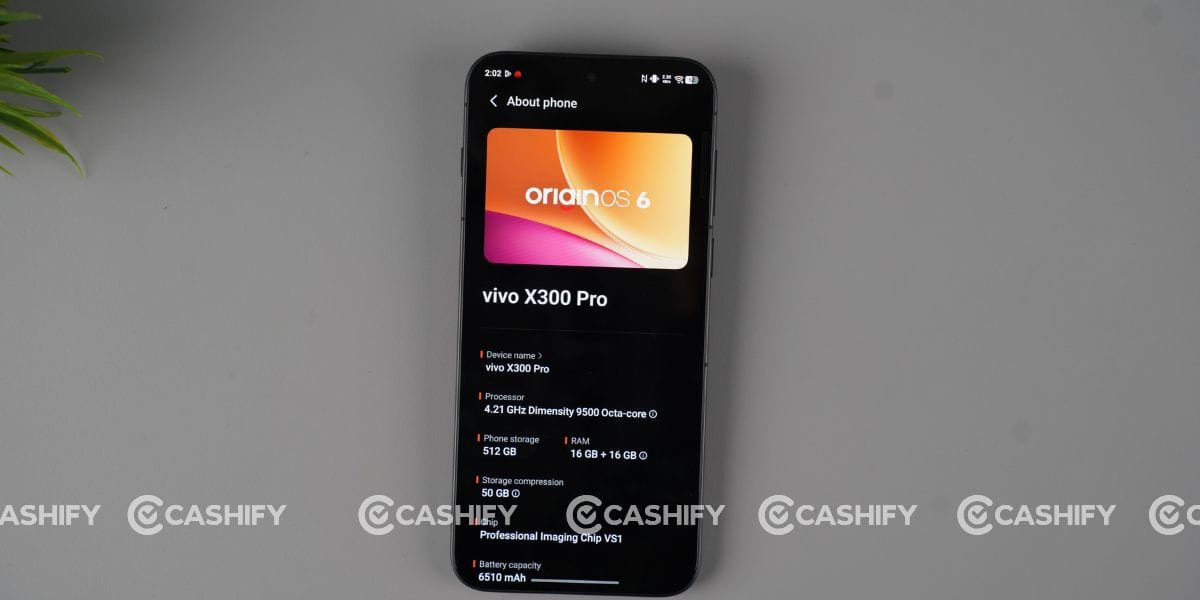
Vivo X300 Pro runs Android 16 and supports up to 5 major Android upgrades. A few months ago, Vivo completely shifted from Funtouch OS 16 to OriginOS 6 across all Vivo devices. Earlier, this OS was exclusive in China.
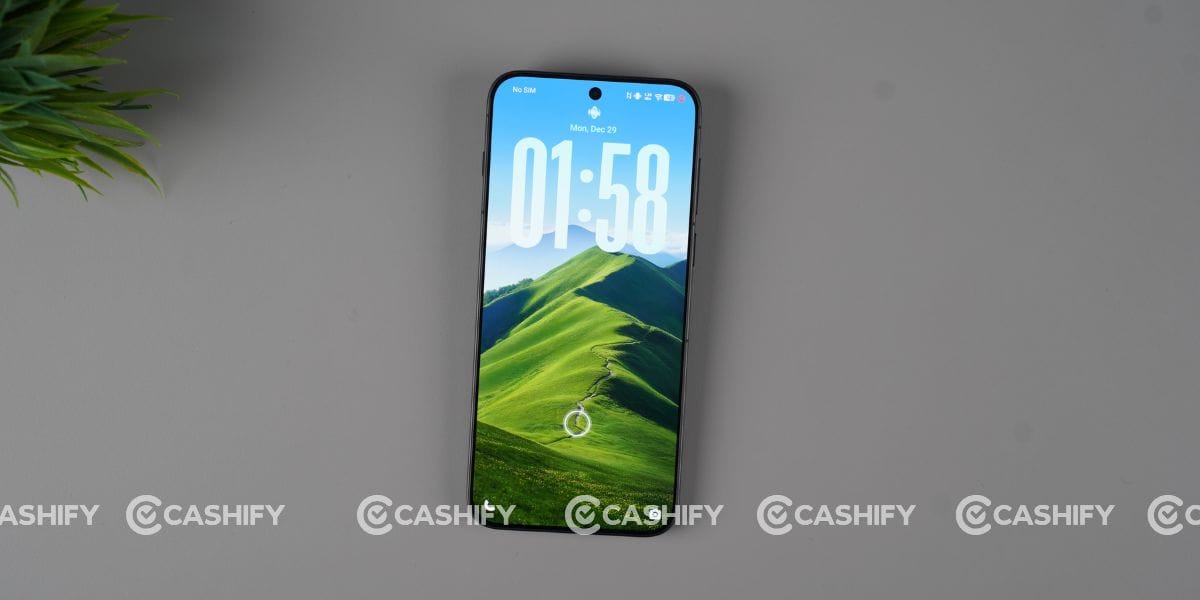
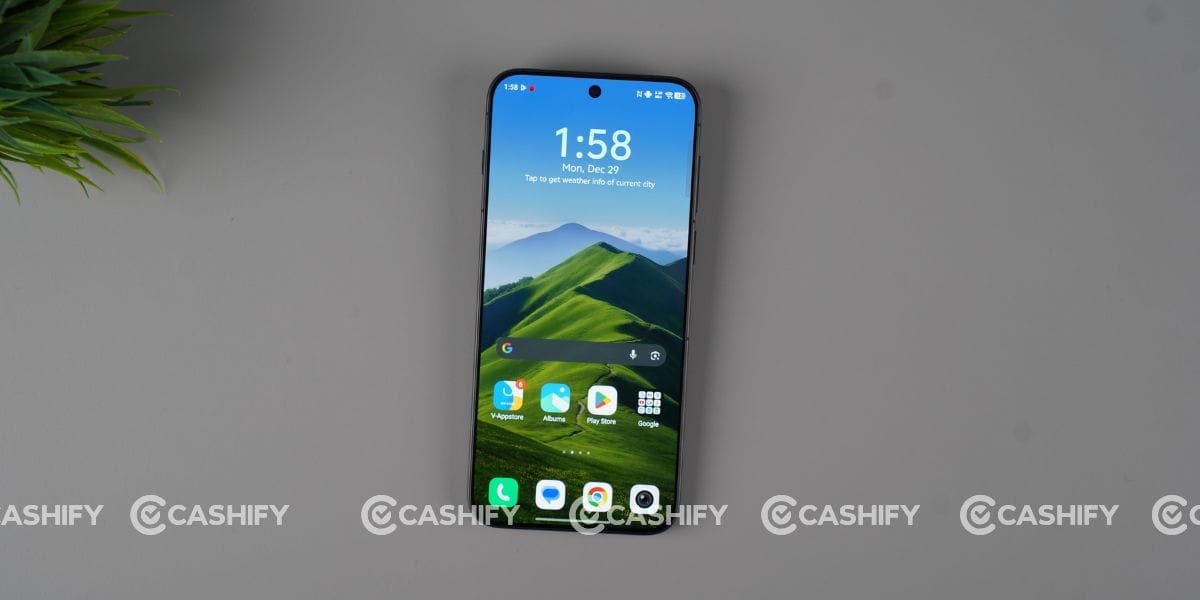
Origin OS is a bit cleaner and offers a more innovative UI, with a Dynamic Island-like feature like iOS. You can customise App Widgets, wallpaper, system style, and home screen too.
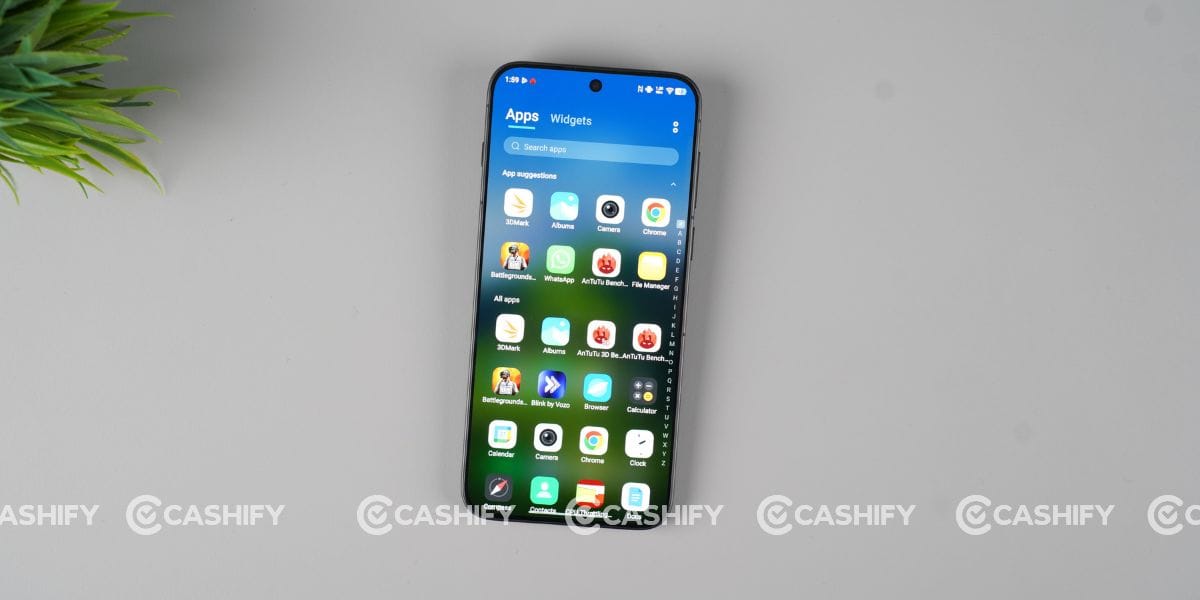
I’m using the App list with sort by A to Z, while By usage frequency is also available. Scrolling is smooth, opening and closing app animation.
This phone also comes with multiple AI features. But the features focus heavily on its powerful ZEISS camera system, leveraging chips like the V3+ for stunning 4K portrait videos, AI telephoto tracking for distant action, and generative AI effects (like changing seasons/weather) in Night/Landscape modes.
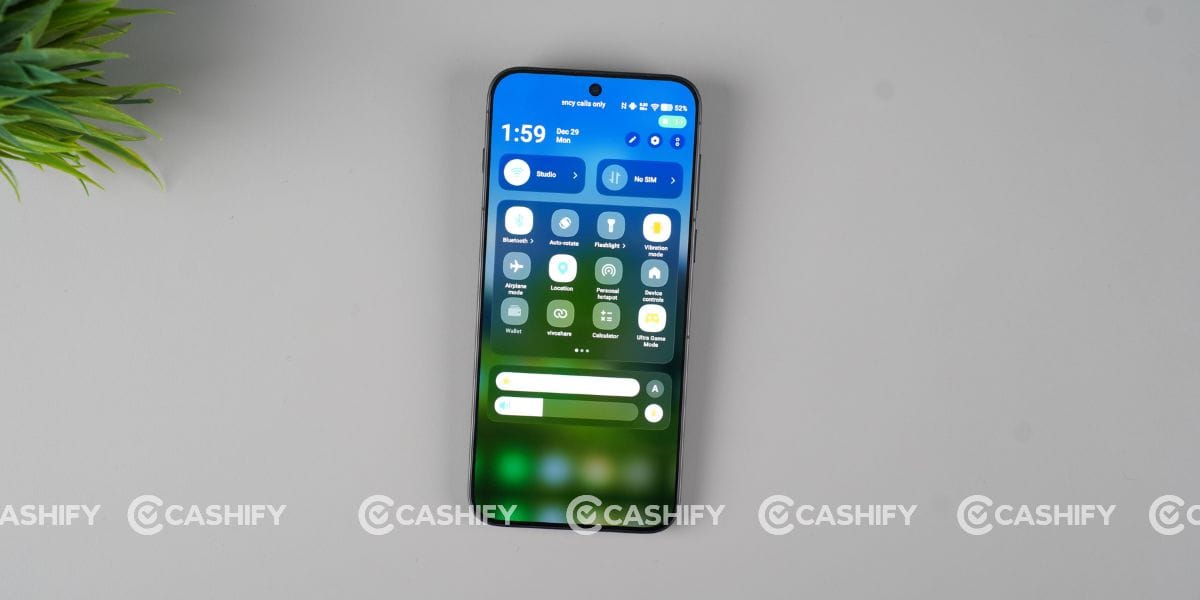
Plus, it integrates Google’s Gemini for productivity, includes Circle to Search, and offers AI-powered photo-editing tools like AI Eraser in its new OriginOS 6.
The Vivo X300 Pro review clearly shows that Vivo has built one of the most complete flagship smartphones of the year. Its ZEISS-powered camera system delivers exceptional detail, class-leading portraits, and powerful zoom performance, while the Dimensity 9500 chipset ensures smooth gaming, photography, and daily usage without overheating.
While its HDR can occasionally overprocess skin tones and the ultrawide camera lags behind in low light, these are minor trade-offs for an otherwise outstanding camera-centric powerhouse. Thanks for reading the Vivo X300 Pro review. If you have any questions regarding the review, comment down or reach out to me.