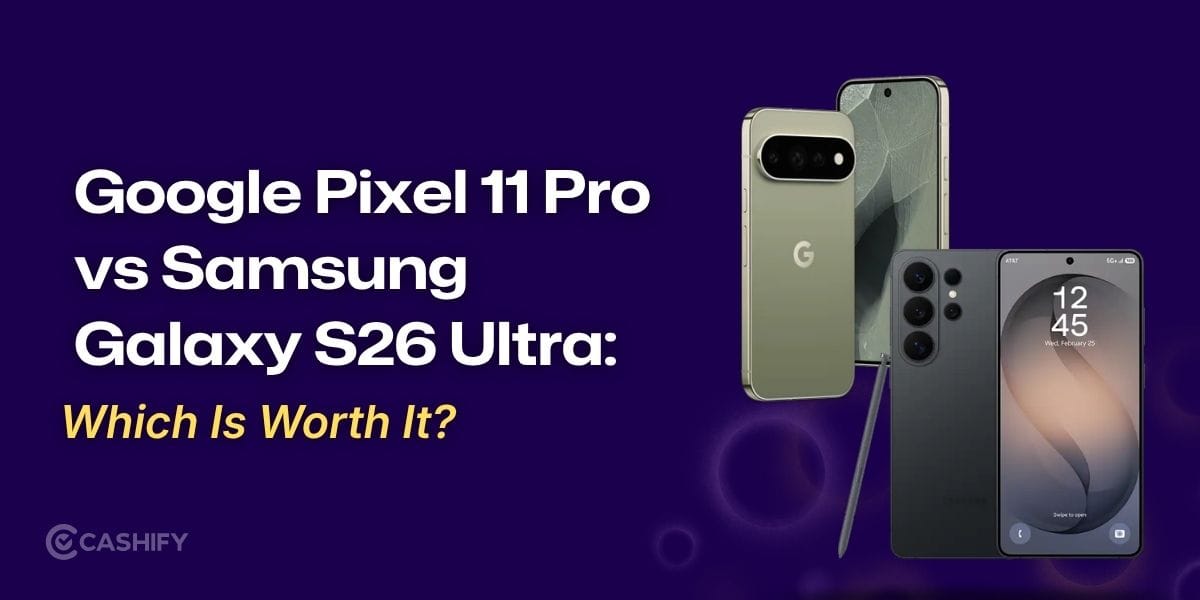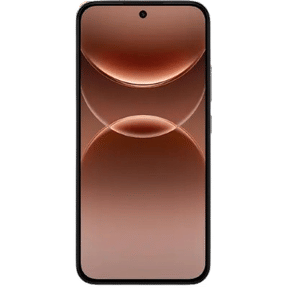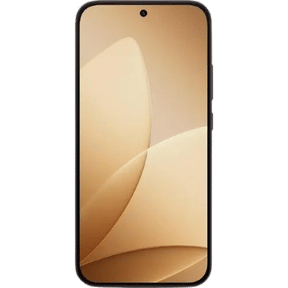


If you’re spending close to ₹1 lakh on a phone, the camera is something you should care about. You don’t want a spec sheet full of big numbers only to find out that your photos look average. The Google Pixel 11 Vs Vivo X300 FE take very different routes to photography. Google leans heavily into computational photography, while Vivo has ZEISS tuning and a high-resolution telephoto camera.
The Pixel 11 is not simply the phone you buy because it has Google’s camera software. The X300 FE is not automatically better just because it has several 50MP cameras. Let’s check out all the details now:
Google Pixel 11 Vs Vivo X300 FE Camera: The Hardware Difference
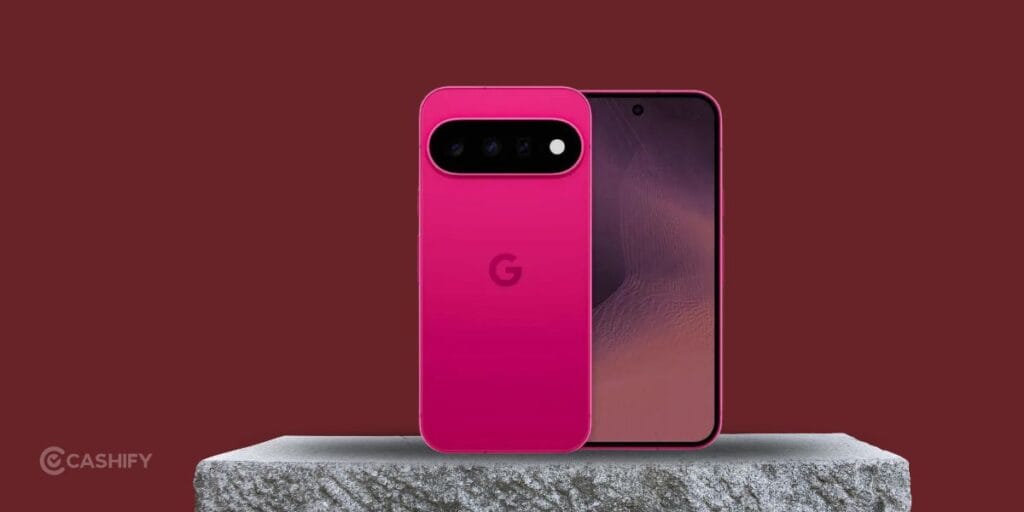
The basic camera setups tell you a lot about the two phones.
| Camera | Google Pixel 11 | Vivo X300 FE |
|---|---|---|
| Main camera | 48MP, f/1.7 | 50MP Sony IMX921, f/1.57, OIS |
| Telephoto | 10.8MP, 5x optical zoom | 50MP Sony IMX882 periscope, 3x optical zoom, OIS |
| Ultra-wide | 13MP, f/2.2 | 8MP, f/2.2 |
| Front camera | 10.5MP autofocus | 50MP autofocus |
| Rear video | Up to 4K | Up to 8K |
| Camera approach | Google computational photography | ZEISS optics, tuning and image processing |
Pixel 11 has a 48MP main camera, 13MP ultra-wide, 10.8MP telephoto and a 10.5MP autofocus selfie camera. Vivo takes a very different approach. The X300 FE has a 50MP Sony IMX921 main camera, a 50MP Sony IMX882 periscope telephoto camera, an 8MP ultra-wide and a 50MP autofocus selfie camera. The telephoto reaches 3x optical zoom and up to 100x digital zoom.
On paper, Vivo clearly has the more aggressive camera hardware.
But megapixels don’t tell the whole story.
Also Read: Google Pixel 11 Vs Google Pixel 10: Key Differences, Specs, More!
Pixel 11: The Better Point-And-Shoot Camera
This is where I’d give Google the first major advantage.
You can pull the Pixel 11 out of your pocket, point it at a difficult scene and press the shutter. You don’t need to think too much about exposure, HDR or skin tones. Google’s image processing does a lot of the work after you take the shot.
Think about a family photo during a birthday party. Someone is standing near a bright window. Another person is sitting in a darker corner. The room has mixed lighting. You probably aren’t going to adjust ISO or shutter speed before everyone gets impatient.
The Pixel’s approach is built for exactly that situation.
Google is also adding more AI-focused camera tools to the Pixel 11 generation. It includes Camera Coach and newer photo editing functions inside Google Photos. If your priority is simply taking a good photo quickly, I would take the Pixel 11.
Vivo X300 FE: The Better Camera Hardware
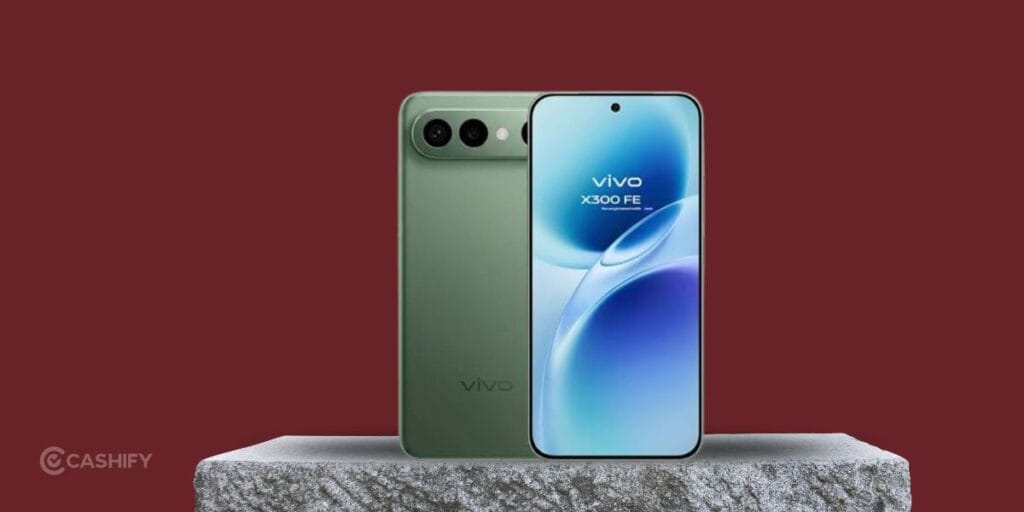
The Vivo X300 FE is the phone I’d pick if you actually like playing around with your camera.
The 50MP Sony IMX921 main sensor uses an f/1.57 aperture and optical stabilisation. Its 50MP IMX882 periscope camera also has OIS, a 1/1.95-inch sensor and 3x optical zoom.
That telephoto camera is particularly important.
A 50MP telephoto sensor gives Vivo a lot of data to work from. You get native 3x optical reach for portraits, people on stage, pets and distant subjects. Vivo also uses its image-processing system for higher zoom levels, including 10x and 20x shooting modes.
So if you frequently use the telephoto camera rather than treating it as an occasional extra, the X300 FE makes a lot of sense.
Also Read: Redmi Note 17 Vs Redmi Turbo 5: Performance, Camera, Battery And Display Compared!
Zoom: Google Pixel 11 Has The Longer Native Reach
The standard Google Pixel 11 is reported to have a 5x optical telephoto camera, compared to the X300 FE’s 3x optical camera. Recent Pixel 11 coverage also points to zoom reaching around 30x on the standard model.
Imagine you’re travelling and see an interesting building across the street. You’re at a concert. Your child is playing sport from the other side of a field. You want a picture of a bird sitting on a distant branch.
The Pixel’s 5x camera gives you a tighter starting point.
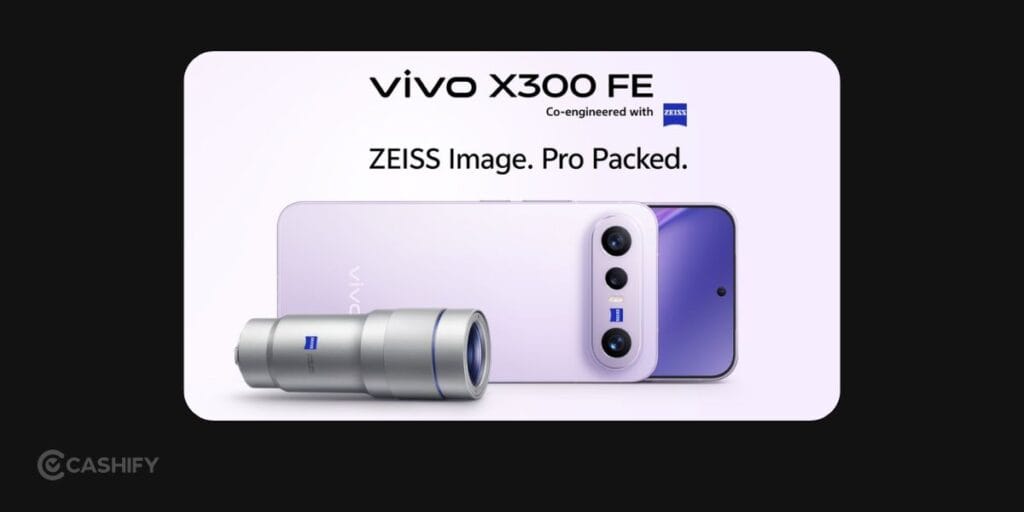
Vivo counters this through its high-resolution 50MP telephoto sensor and computational zoom. The company also sells a ZEISS Telephoto Extender Gen 2 that can take the X300 FE much further for distant subjects.
But that’s an optional accessory, not something I’d use to judge the standard phone.
My pick for normal long-distance shooting: Pixel 11.
Portraits: I’d Take The Vivo X300 FE
This is where the Vivo becomes much more appealing.
The 50MP 3x periscope camera is naturally suited to portraits. A 3x focal length lets you frame a person’s face from a comfortable distance, while the telephoto perspective can produce a more flattering result than simply walking closer using the main camera.
Vivo also leans heavily into ZEISS portrait styles and multifocal portrait shooting. The Vivo X300 FE can work across focal lengths such as 23mm, 35mm, 50mm, 85mm and 100mm through its portrait system.
If portraits are a major reason you’re buying a flagship phone, I’d choose the X300 FE.
The Pixel can produce excellent people shots too. Its strength is consistency. Vivo’s strength is giving you more photographic control and a stronger portrait-oriented hardware setup.
Selfies: Vivo Wins By A Big Margin On Paper
The Pixel 11 has a 10.5MP autofocus front camera. Vivo uses a 50MP autofocus front camera, plus a 90-degree field of view and 0.8x to 2x seamless zoom.
That doesn’t mean a 50MP selfie camera automatically takes five times better photos. Sensor size, optics, processing and lighting still matter.
But the Vivo gives creators much more resolution to work from. If you crop selfies, record yourself frequently, shoot travel videos using the front camera or post high-resolution social content, the X300 FE is the obvious choice.
I’d pick Vivo here without much hesitation.
Also Read: OnePlus N6x Vs OnePlus N6: Which One Is Worth The Money?
Low-Light Photography: Pixel 11 Is The Safer Choice
Night photography is one of the reasons Pixel phones have built such a strong reputation.
Google’s computational approach is designed by combining multiple frames, controlling highlights and lifting shadow detail. The Pixel 11 generation also gains newer low-light video processing, including an on-device Ultra Low Light Video mode reported for the series.
That’s important because low-light photography isn’t only about having a large sensor.
A camera can have excellent hardware and still produce inconsistent results if its processing isn’t good enough. The X300 FE has strong hardware here too. Its f/1.57 main lens, OIS and 1/1.95-inch telephoto sensor give Vivo a solid foundation for night photography.
Still, if you don’t want to think about camera settings at night, I’d trust the Pixel 11 first.
Video: Vivo Has The Bigger Specification Advantage
If you’re buying primarily for video, this gets more complicated.
The Pixel 11 focuses on Google’s stabilisation and computational video processing. The standard model has 4K video. The X300 FE supports 8K rear video, plus 4K recording and a broad selection of video modes. Vivo also highlights 4K 120fps recording in its camera system.
So for maximum recording flexibility, Vivo wins. But don’t buy a phone simply because the box says “8K.”
For most people, 4K is already more than enough. Stabilisation, autofocus, exposure consistency, audio quality and low-light performance matter far more during everyday recording.
If you create videos seriously, Vivo’s extra recording options are useful. If you just want reliable clips for Instagram, YouTube Shorts or family memories, the Pixel’s simpler approach may actually suit you better.
Also Read: OnePlus N6 Alternatives: Best Smartphones Worth Buying Instead!
Colour: Natural Pixel Processing or ZEISS Character?
Pixel photos generally aim for a punchy HDR look. The phone tries to preserve bright skies, lift darker areas and keep faces readable in difficult lighting.
Vivo gives you a different visual direction. Its ZEISS branding is tied closely to colour and portrait processing. I’d describe the difference like this:
Pixel 11: take the picture, let Google figure it out, share it.
Vivo X300 FE: take the picture, choose the style you like, then fine-tune it if you want.
Neither approach is universally better.
If you want images that look ready for social media straight away, Pixel is the easier choice. If you prefer a more camera-like workflow, Vivo is more interesting.
Ultra-Wide Camera: Pixel 11 Has The Resolution Advantage
This is another quiet win for Google when it comes to Google Pixel 11 Vs Vivo X300 FE Camera.
The Pixel 11 has a 13MP ultra-wide camera, while the X300 FE uses an 8MP ultra-wide camera.
That gives Pixel more resolution to work from for landscapes, architecture and group photos. Vivo’s ultra-wide camera does have a 110-degree field of view, so you still get a useful perspective for large scenes.
I wouldn’t choose either phone based solely on the ultra-wide camera. But if you use this lens frequently, Pixel has the stronger specification.
Which Camera Is Better For Travel?
For travel, I’d lean toward the Pixel 11.
You get a longer 5x optical zoom, a higher-resolution ultra-wide camera and Google’s point-and-shoot approach.
That combination covers a lot of situations.
You can shoot a wide cityscape, take a normal street photo, zoom into architecture and capture people at a distance without spending time changing settings.
The Vivo X300 FE is still a very strong travel camera, particularly if portraits are a big part of your trips. Its 3x telephoto can be excellent for people, food and closer subjects.
Also Read: Best Xiaomi 17T Alternatives: These 5 Phones Are Better Buys!
Which One Is Better For Instagram And Content Creators?
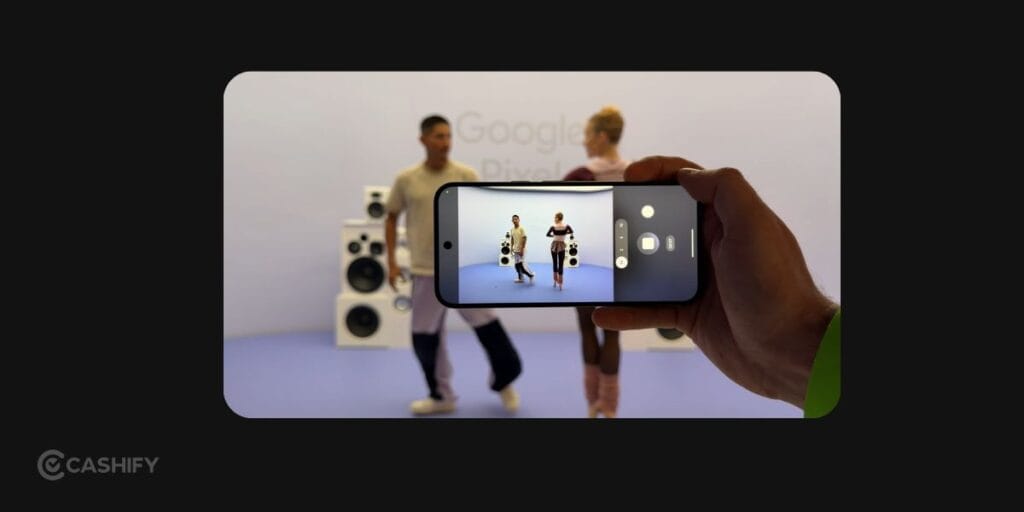
I’d choose the Vivo X300 FE.
The 50MP selfie camera is a major reason. Add 8K rear video, 4K 120fps support and a high-resolution 3x telephoto, and Vivo gives creators a lot to work from.
The Pixel 11 still makes sense if your content is mostly casual photography.
But if you’re building a photography page, recording vlogs or taking lots of portraits, the Vivo’s camera system gives you greater creative flexibility.
What About Price: Google Pixel 11 Vs Vivo X300 FE Camera
This is where the Vivo X300 FE becomes difficult to ignore.
Vivo’s official Indian store currently lists the X300 FE 12GB/256GB at ₹86,999, while the 12GB/512GB model is listed at ₹96,999.
Google’s Pixel 11 starts at ₹89,999 in India according to launch coverage, while the 512GB version reaches ₹1,04,999.
So if you’re comparing the Pixel 11 512GB at ₹1,04,999 against the X300 FE 512GB at ₹96,999, Vivo is cheaper by ₹8,000.
That’s enough money to matter.
At that price gap, I think the Vivo X300 FE is the stronger camera hardware deal. The Pixel becomes the better purchase if you specifically value Google’s photography processing and software experience.
Don’t Make The Megapixel Mistake
One of the easiest mistakes here is assuming:
50MP > 48MP > 13MP > 8MP.
That’s not how smartphone cameras work.
The Pixel’s 10.5MP selfie camera can still produce a better-looking face than a poorly processed 50MP selfie. A 48MP main camera can produce a better photo than a 200MP sensor. Sensor size, lens quality, stabilisation, autofocus and image processing all matter.
The Vivo’s 50MP telephoto is impressive because the hardware behind that number is also serious. The Pixel’s camera system is impressive because Google can extract a lot from comparatively modest hardware.
Final Verdict: Google Pixel 11 Vs Vivo X300 FE Camera
If you want me to give you one simple answer when it comes to Google Pixel 11 Vs Vivo X300 FE Camera, I’d put it this way.
Buy the Google Pixel 11 if you want to point, shoot and get a great photo almost every time. It’s the camera I’d recommend to someone who doesn’t want to think about photography but still cares deeply about the result.
Buy the Vivo X300 FE if cameras are a hobby for you. The 50MP telephoto, ZEISS portrait system, 50MP selfie camera and broader video options give you more room to experiment. At its current Indian price, the value is also hard to dismiss.
If you’ve just bought a new phone and don’t know what to do with your old phone, then here’s your answer. Sell old mobile to Cashify and get the best price for it. If you are planning to buy a new phone, check out Cashify’s refurbished mobile phones. You can get your favourite phone at almost half price with six-month warranty, 15 days refund and free delivery.