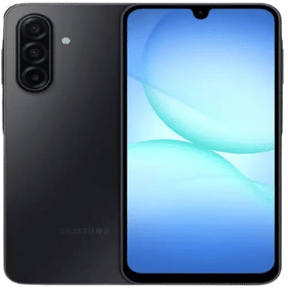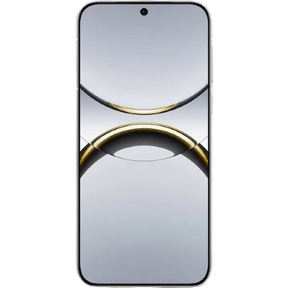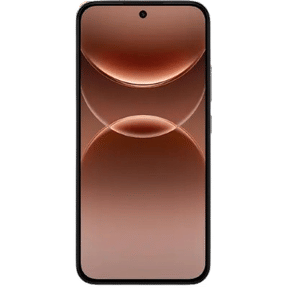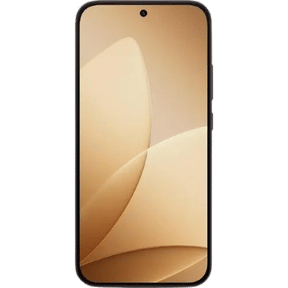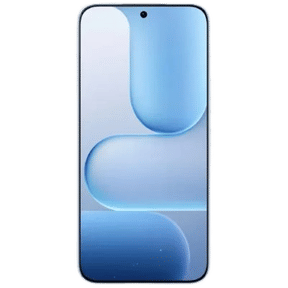


Google Pixel 11 vs Apple iPhone 17 debate is getting interesting now. The Google Pixel 11 leans heavily into Gemini, computational photography and Google’s AI-powered features, while the Apple iPhone 17 focuses on the A19 chip, ProMotion display, camera upgrades and the wider Apple ecosystem.
Interestingly, both phones come with a 6.3-inch display and 120Hz refresh rates, but that’s where many of the similarities start to fade. The camera hardware, charging speeds, AI experience and software are quite different.
So, if you’re deciding between the two, take a look at this Google Pixel 11 vs Apple iPhone 17 comparison.
Also Read: Smartphone Price Hike In India: These Popular Phones Just Got Costlier
Google Pixel 11 Vs Apple iPhone 17: Specs At A Glance
Here is how the Google Pixel 11 vs Apple iPhone 17 specs look like:
| Feature | Google Pixel 11 | Apple iPhone 17 |
| Display | 6.3-inch Actua OLED | 6.3-inch Super Retina XDR OLED |
| Resolution | 1080 x 2424 pixels | 2622 x 1206 pixels |
| Refresh rate | 60–120Hz | Up to 120Hz ProMotion |
| Processor | Google Tensor G6 | Apple A19 |
| Rear cameras | 48MP + 13MP + 10.8MP | 48MP + 48MP |
| Telephoto | 5x optical zoom | 2x optical-quality zoom |
| Front camera | 10.5MP autofocus | 18MP Center Stage |
| Battery | 4,985mAh typical | Up to 30 hours video playback |
| Fast charging | Up to 55% in about 30 minutes | Up to 50% in 20 minutes |
| Operating system | Android 17 | iOS 26 |
| AI | Gemini | Apple Intelligence |
Design And Display
The Google Pixel 11 vs iPhone 17 are almost identical in screen size, with both using a 6.3-inch OLED panel. That makes them fairly easy to handle while still giving you enough screen real estate for watching videos, browsing and gaming.
Google uses an Actua OLED display on the Pixel 11 with a 1080 x 2424 resolution and a refresh rate that can move between 60Hz and 120Hz. The higher refresh rate should make scrolling and animations feel noticeably smoother.
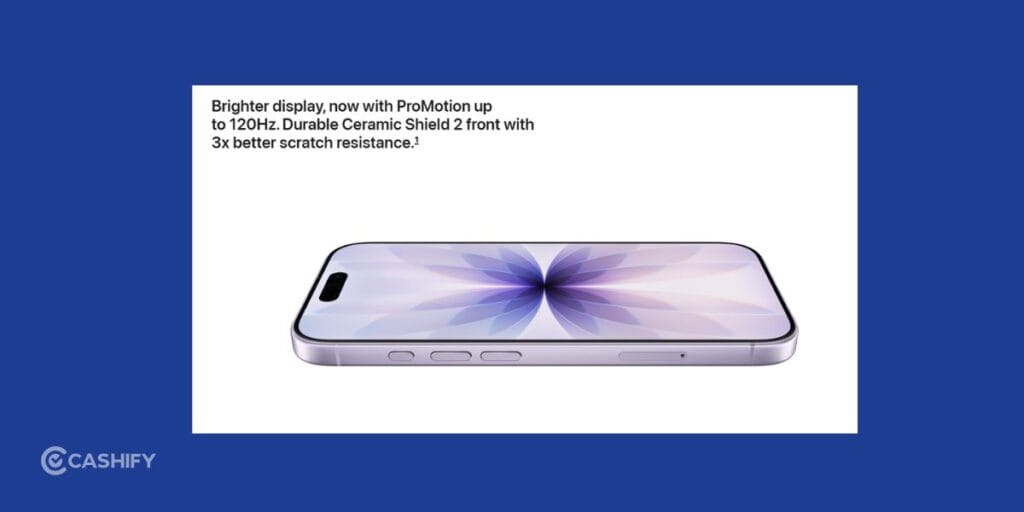
Apple iPhone 17 gets a Super Retina XDR OLED display with 2622 x 1206 resolution and ProMotion, which can also reach 120Hz. It additionally has an Always-On display and Dynamic Island.
The iPhone 17 also has a higher pixel density at 460ppi, compared with 422ppi on the Pixel 11. That difference won’t be dramatic during everyday use, but Apple’s display has a more feature-rich package overall.
Display winner: iPhone 17
The Pixel 11 should still offer an excellent viewing experience, but the iPhone 17 gets the edge thanks to ProMotion, Always-On functionality and its higher-resolution panel.
Performance: Tensor G6 Vs A19
The performance battle is particularly interesting because Google and Apple aren’t chasing exactly the same thing.
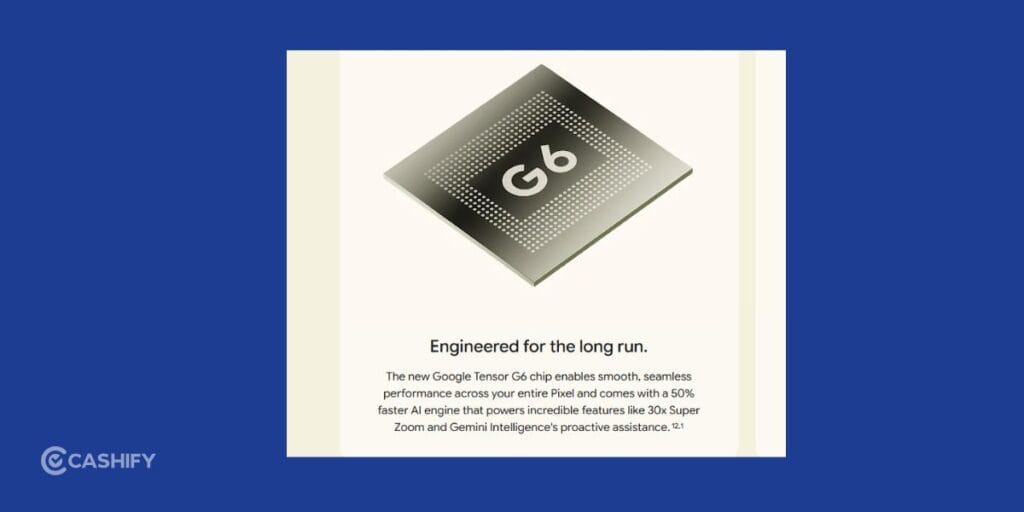
The Pixel 11 runs on Google’s Tensor G6, paired with a Titan M3 security coprocessor. Tensor chips have traditionally been designed with Google’s AI and machine-learning workloads in mind, and the Pixel 11 continues that approach.
The iPhone 17 uses Apple’s A19 chip with a six-core CPU, five-core GPU and 16-core Neural Engine. It also supports hardware-accelerated ray tracing, which is useful for graphically demanding games and applications.
For everyday tasks, both Google Pixel 11 vs Apple iPhone 17 should have more than enough power. You aren’t likely to notice a difference when opening apps, messaging or browsing social media.
The gap becomes more relevant if you’re gaming, editing videos or running demanding applications. That’s where Apple’s chip architecture and optimisation give the iPhone 17 an advantage.
Performance winner: iPhone 17
If raw performance and gaming matter more to you than AI-specific features, the iPhone 17 is the stronger choice.
Also Read: Flipkart Freedom Sale 2026: Top 5 Mobile Phone Deals To Watch Out For
Camera Comparison
The camera setup is where the Pixel 11 takes a different path from the iPhone 17.
Google gives the Pixel 11 three rear cameras: a 48MP wide camera, 13MP ultrawide and a 10.8MP telephoto camera with 5x optical zoom. Having a dedicated telephoto lens is a major advantage if you regularly photograph distant subjects.
The Pixel also pushes Google’s computational photography further with features such as Night Sight, Macro Focus, Astrophotography, Best Take, Face Unblur and Super Zoom up to 30x.
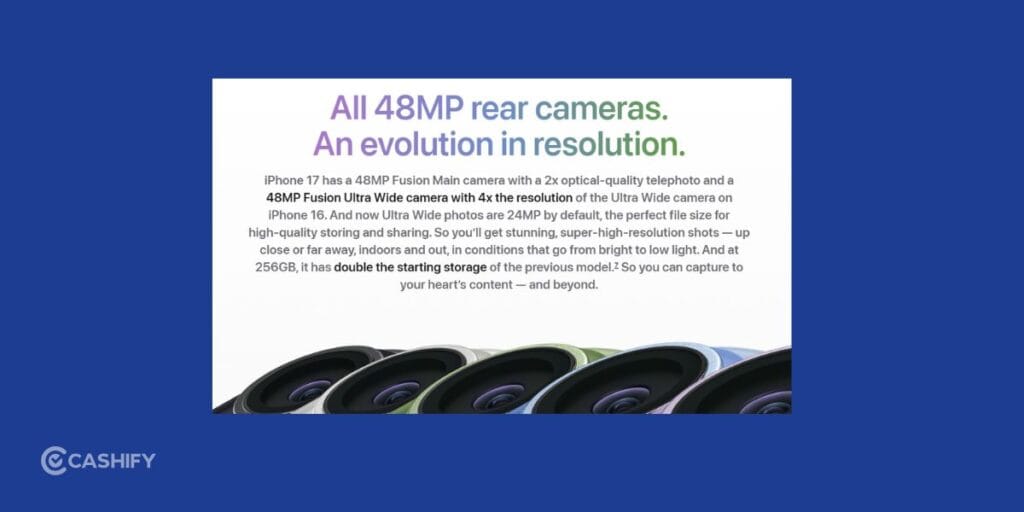
The iPhone 17 has a 48MP Fusion Main camera and a 48MP Fusion Ultra Wide camera. Its main camera can also provide a 12MP optical-quality 2x telephoto view, but it doesn’t have a separate 5x telephoto lens.
| Camera feature | Pixel 11 | iPhone 17 |
| Main camera | 48MP | 48MP |
| Ultrawide | 13MP | 48MP |
| Dedicated telephoto | Yes, 10.8MP | No |
| Optical zoom | 5x | 2x optical-quality |
| Maximum listed zoom | Up to 30x | Up to 10x digital |
| Macro photography | Yes | Yes |
This makes the choice fairly straightforward for zoom photography. The Pixel 11 has considerably more flexibility when you want to get closer to a distant subject.
The iPhone 17 counters with its 48MP ultrawide camera and Apple’s established image-processing pipeline. It also supports features such as Photographic Styles, Night mode, next-generation portraits and 48MP macro photography.
Camera winner: Pixel 11 for zoom and photography flexibility
If you take lots of photos and want a proper telephoto camera, the Pixel 11 has the more versatile setup. The iPhone 17 remains a strong option, particularly if you value consistent processing and video.
Video Recording: Which Phone Does It Better?
The iPhone has traditionally been particularly strong for video, and the iPhone 17 continues that approach.
It can record 4K Dolby Vision video at up to 60fps and supports Cinematic mode, Action mode, Dual Capture and macro video recording. It also offers spatial video recording and a range of stabilisation options.
The Pixel 11 can also record 4K video at up to 60fps. Google adds features such as 10-bit HDR video, Creator Suite, Audio Magic Eraser, Macro Focus Video and Cinematic Pan.
Both Google Pixel 11 vs Apple iPhone 17 therefore give you plenty of tools for casual clips and more serious content creation. However, Apple’s Dolby Vision support and broader video toolkit give it an advantage if recording video is a major part of how you use your phone.
Video winner: iPhone 17
For photos, the Pixel 11 has an edge in zoom. For video, the iPhone 17 is the safer pick.
Selfies And Front Camera
The front cameras are another area where the Google Pixel 11 vs Apple iPhone 17 take different approaches.
The Pixel 11 has a 10.5MP Dual PD selfie camera with autofocus and a 95-degree ultrawide field of view. It can record 4K video at both 30fps and 60fps.
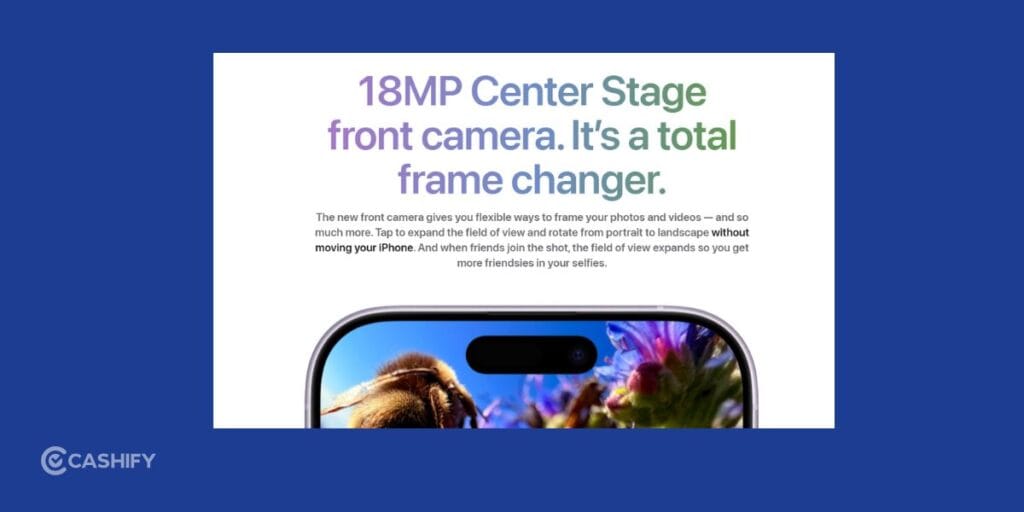
The iPhone 17 gets an 18MP Center Stage camera with autofocus. Center Stage can automatically keep you in the frame during calls and group shots, while the camera also supports Dual Capture and 4K Dolby Vision recording.
For regular selfies, both should do the job well. The iPhone’s Center Stage system becomes more useful if you frequently make video calls or record yourself.
Front camera winner: iPhone 17
Battery And Charging
Battery comparisons between these phones aren’t quite as simple because Google and Apple report their figures differently.
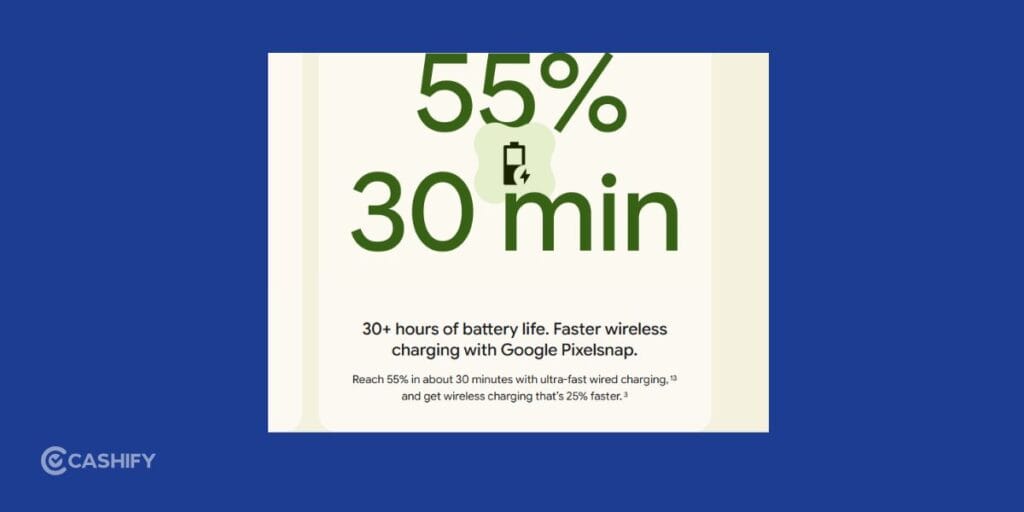
Google lists the Pixel 11 with a typical 4,985mAh battery and claims more than 30 hours of battery life. With a 30W USB-C PPS charger or higher, Google says the phone can reach up to 55% in around 30 minutes.
Apple doesn’t officially list the iPhone 17’s battery capacity. Instead, it rates the phone for up to 30 hours of video playback and says it can reach 50% charge in around 20 minutes with a 40W adapter or higher.
| Battery feature | Pixel 11 | iPhone 17 |
| Published capacity | 4,985mAh typical | Not listed |
| Claimed battery life | 30+ hours | Up to 30 hours video playback |
| Fast charging | 55% in ~30 minutes | 50% in ~20 minutes |
| Wireless charging | Qi2 | MagSafe |
Also Read: ColorOS 17 Beta Eligible Devices: Full List, Rollout Details And Features
The Pixel 11 has the larger publicly stated battery, but that doesn’t automatically mean longer real-world battery life. Processor efficiency, display settings and software optimization all affect how long a phone actually lasts.
Battery verdict: Too close to call
The iPhone 17 has the faster stated charging time, while the Pixel 11 gives you a larger published battery capacity.
Android 17 Vs iOS 26
Software is difficult to judge with a simple winner because the two operating systems are designed around different philosophies.
The Pixel 11 launches with Android 17 and gives you Google’s version of Android, along with Pixel-exclusive features and deep integration with Google services.
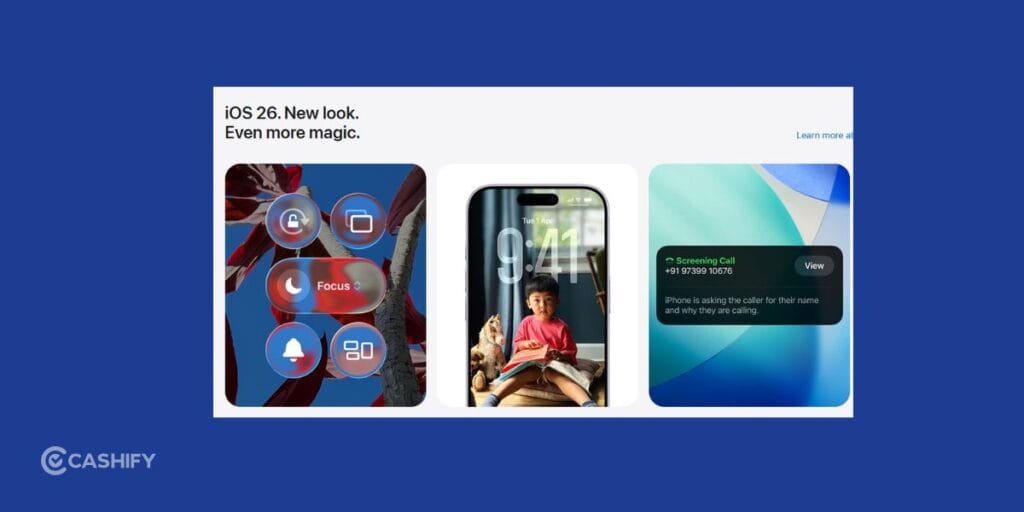
The iPhone 17 runs iOS 26 and fits naturally into Apple’s wider ecosystem. If you already own a Mac, Apple Watch, iPad or AirPods, features such as AirDrop and device continuity can make the iPhone much more convenient.
This is one area where switching platforms can matter more than the specifications.
Software winner: Depends on your ecosystem
If you’re already using Android and Google services, the Pixel 11 will feel familiar. If you’re surrounded by Apple devices, the iPhone 17 is the more natural fit.
Google Pixel 11 Vs Apple iPhone 17: Which One Should You Buy?
By now, the differences are fairly clear.
The Pixel 11 is more interesting if your priorities are photography, AI and Google’s software experience. Its dedicated 5x telephoto camera is particularly useful, while Gemini and Google’s editing tools give the phone a distinct identity.
The iPhone 17 is the more performance-focused option. Its A19 chip, ProMotion display, stronger front camera and extensive video features make it a well-rounded flagship.
Here’s the simplest way to look at it:
| Choose the Pixel 11 if you want… | Choose the iPhone 17 if you want… |
| Google’s AI features | Strong raw performance |
| 5x optical zoom | Better video features |
| Pixel photography | A brighter, feature-rich display |
| Android 17 | iOS 26 |
| Gemini and Google services | Apple Intelligence |
| More camera-focused AI tools | A stronger front camera |
| Google ecosystem | Apple ecosystem |
Also Read: Top 5 Hello UI Features That Make Motorola Phones Better In 2026
Final Thoughts
That’s all about the Google Pixel 11 vs iPhone 17 comparison. There isn’t a clear winner because Google and Apple have made different trade-offs.
The Google Pixel 11 is the more appealing choice if you want a phone built around AI and photography. The dedicated 5x telephoto camera, Gemini features and Google’s computational photography tools give it plenty of personality.
The iPhone 17, meanwhile, is better suited to someone who prioritises performance, video recording and the Apple ecosystem. The A19 chip and 120Hz ProMotion display also make it a strong everyday flagship.
So, if you’re choosing purely based on AI and photography, go with the Pixel 11. If performance, video and Apple’s ecosystem matter more, the iPhone 17 is the better fit.
Ultimately, the right choice isn’t about which phone has the longer specification sheet. It’s about which set of features you’ll actually use every day.
If you’ve just bought a new phone and don’t know what to do with your old phone, then here’s your answer. Sell old mobile to Cashify and get the best price for it. If you are planning to buy a new phone, check out Cashify’s refurbished mobile phones. You can get your favourite phone at almost half price with six-month warranty, 15 days refund and free delivery.