

Most of us have faced this situation. We sit at our study table or work desk with a plan to finish our work, but soon our hand reaches for the phone. We tell ourselves we will check it for just one minute, but that one minute turns into many. When we finally stop, a lot of time is already wasted, and the work feels harder than it should.
For a long time, I was using a very basic Android phone. It could only do simple things like calling, messaging, and using a few apps. At that time, I did not get distracted much, but the phone was slow and could not handle many apps. As my work increased, I felt the need for a better phone that could do more things easily.
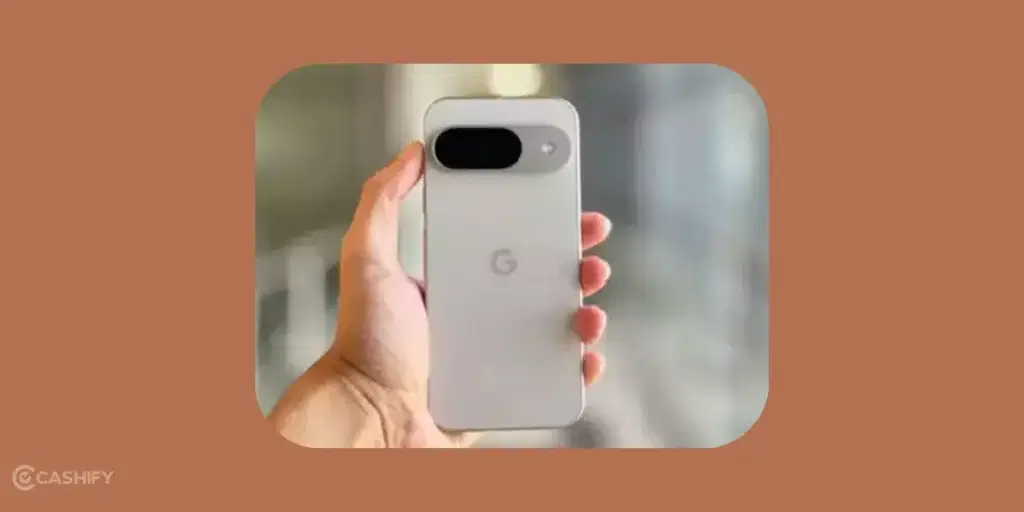
I did not want to spend too much money, so I decided to buy a refurbished Google Pixel 9 from Cashify. I was getting a very good deal, and the phone was in great condition. With this new phone, I could use many useful apps, attend online meetings, manage my work, and do many things smoothly. It really helped me become faster and more organised.
However, there was also a problem. With so many apps came many notifications. Messages, app alerts, videos, and social media kept popping up on my screen. Every time I unlocked my phone to do some work, I got distracted by something else.
The Silent Object That Keeps Interrupting Us
I began to wonder whether simply having a phone in front of me while working was affecting my ability to focus, even when I wasn’t actively using it. Could the presence of the device itself be demanding attention? And if so, was there a way to work more productively without eliminating breaks or relying entirely on self-control?
Franz Kafka once wrote about distraction as a quiet erosion rather than a loud interruption. Modern work proves him right. The phone doesn’t have to buzz, ring, or light up to pull attention away. It just has to exist.
This case study began with a simple curiosity:
Does the mere presence of a smartphone on a work table affect how deeply we can focus even when we are actively trying to be productive?
To explore this, I conducted a small, structured experiment during a regular workday. I tracked focus, urges, and productivity using a focus-timer app and manual observation.
What started as a simple curiosity soon revealed something far more subtle about how attention, temptation, and effort interact during focused work. Let me take you through it all.
How Did I Set Up The Experiment?
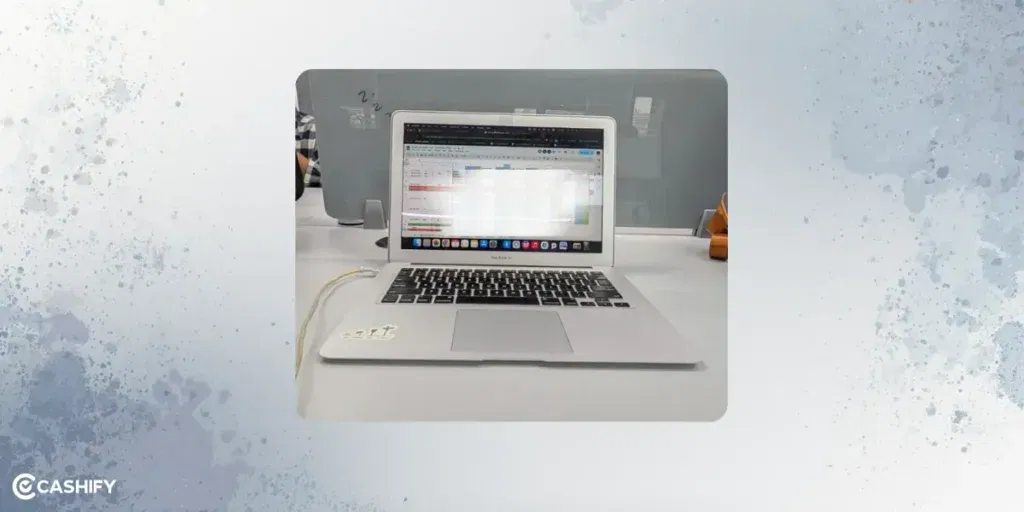
I used two workdays under two natural conditions while performing the same type of tasks. That is writing, editing, and focused desk work in the same environment.
Two Desk Realities Were Tested!
Condition A: Phone on the Work Table
- Phone placed within arm’s reach
- Visible throughout work sessions
- No forced silencing
- Focus sessions tracked using the Forest app
Condition B: Phone Kept Out of Sight
- Phone placed away (drawer/bag)
- Still accessible if needed
- Same Forest settings
- Same work intensity
The goal was to isolate visibility, not access.
Measuring Focus Without Guesswork
I couldn’t just use a clock or timer because even that would require me to deliberately distract from work to note the time stamps. So, to conduct this experiment, the Forest App has been really useful. I used it as a behavioural measurement tool.
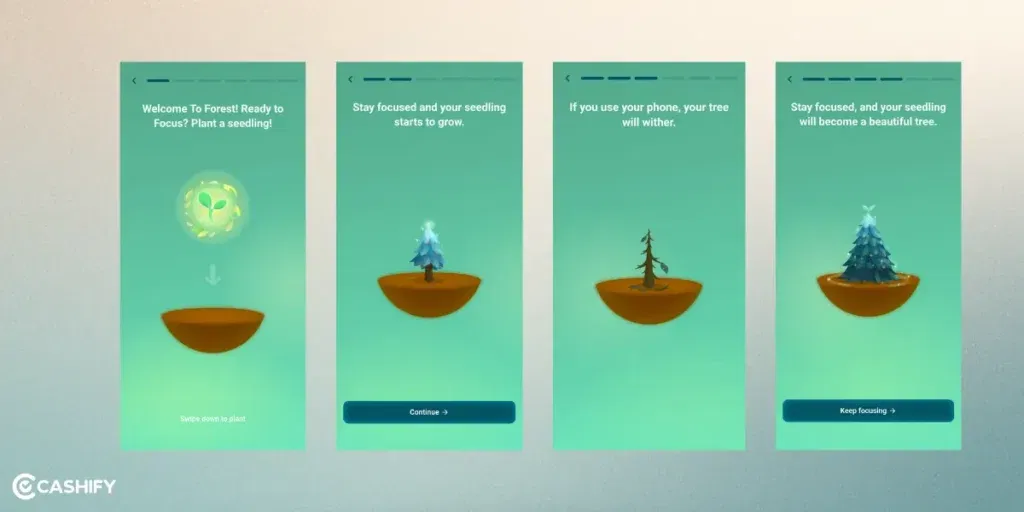
Each focus session:
- Grew a tree if uninterrupted
- Failed if the phone was picked up
- Logged total focused minutes
Alongside this, manual notes were tracked:
- Urge to pick up the phone
- Reason for the urge
- Whether the urge turned into action
- Focus quality (rated 1 to 5)
- Tasks completed or stalled
This combination captured both external behaviour and internal friction.
Observations Left Me Surprised!
Condition A: When the Phone Was on the Table
| Focus Duration | Urge to Pick Up Phone | Reason for the Urge | Did the Urge Turn Into Action? | Focus Quality (1 to 5) | Task Progress |
|---|---|---|---|---|---|
| 30 minutes | Frequent | – Habitual checking; mental drift; temptation to exit early – External distraction combined with phone presence | Yes, phone checked multiple times | 3 | Task progressed slowly; momentum broke repeatedly |
| 45 minutes | Moderate | – Curiosity about remaining time – WhatsApp notification | – Curiosity about the remaining time – WhatsApp notification | 2 | Task interrupted; Forest session lost |
| 60 minutes | Moderate initially, then high | Cognitive fatigue; social distraction | Yes, phone checked; conversation followed | 2 | Task nearly completed, but focus fragmented |
Pattern emerging:
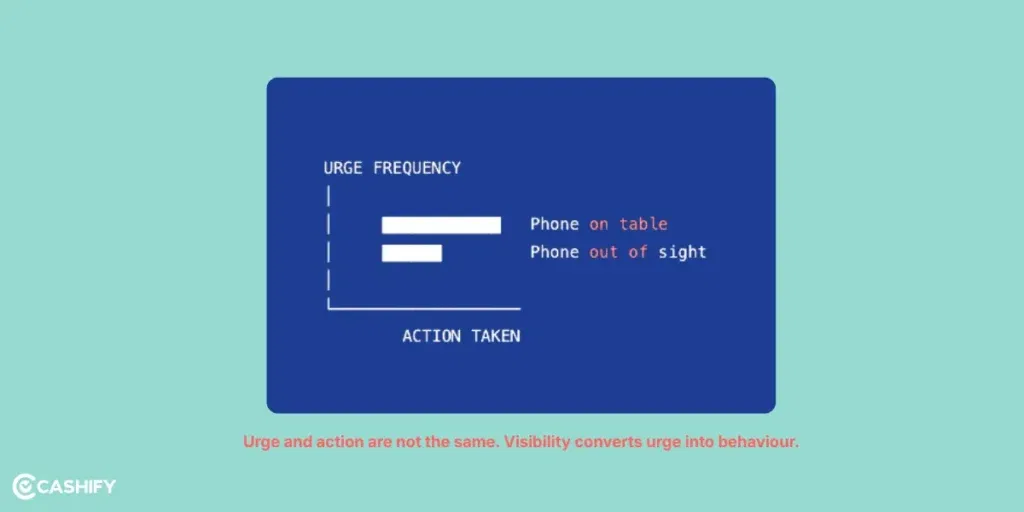
Urges were frequent and often converted into action, especially as session length increased or mental fatigue set in. Focus quality declined over time, and task progress became inconsistent.
The phone was picked up repeatedly, even without notifications. Most interactions were not purposeful. Common reasons included:
- Checking remaining time
- Habitual reaching during effort
- Mental fatigue moments
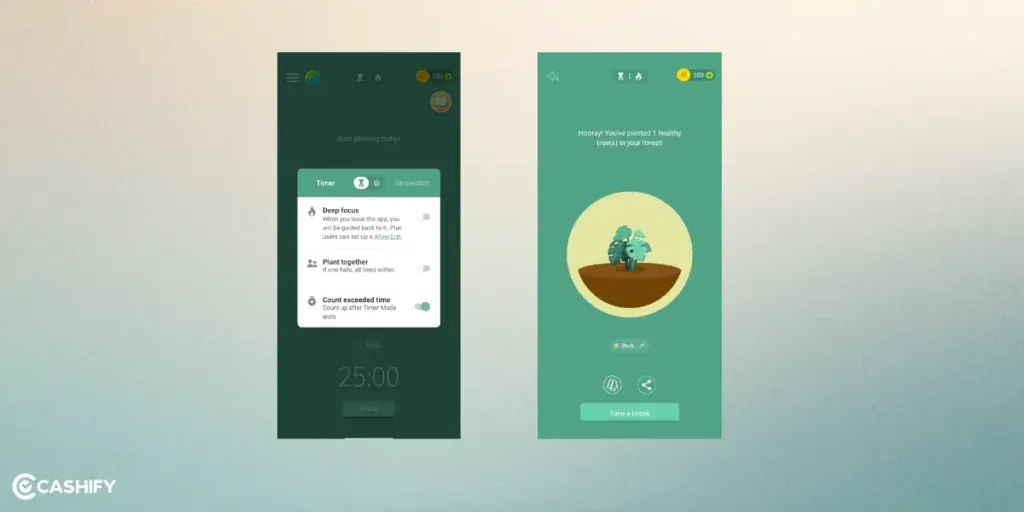
One Forest session failed entirely due to a WhatsApp interruption. Over time, focus felt effortful, not fluid. Interestingly, I expected more failures (more frequently, plants dying in the app). Just being aware of the fact that an app is noting my focus duration was keeping me conscious. So the number remained as small as one only.
Overall, Mental fatigue increased as the day progressed.
The phone behaved less like a tool and more like a cognitive anchor. Attention kept looping back to it.
Condition B: When the Phone Was Kept Out of Sight
| Focus Duration | Urge to Pick Up Phone | Reason for the Urge | Did the Urge Turn Into Action? | Focus Quality (1–5) | Task Progress |
|---|---|---|---|---|---|
| 60 minutes | Occasional | No, attention returned to the task | No, phone not accessed | 4 | Task progressed steadily |
| 45 minutes | Moderate early | Initial restlessness | No, attention returned to task | 4 | Task resumed without delay |
| 30 minutes | None | NA | No urge observed | 5 | Task completed smoothly |
Pattern emerging:
Urges still appeared, but rarely translated into action. Task completion felt lighter and more continuous.
It was easier than I thought. However, the urge to reach for the phone did not disappear, but its power weakened.
- No actual phone pickups occurred
- Distractions still happened, but they were environmental or mental
- Focus recovered faster after breaks
- At all times, a full session was completed with zero distractions
The absence didn’t remove distraction. It prevented distraction from escalating into derailment.
Visual Snapshot: Behavioural Comparison
Focus Behaviour Across Conditions
| Metric | Phone Visible | Phone Out of Sight |
|---|---|---|
| Phone pickups | Frequent | None |
| Urge frequency | High | Moderate |
| Failed focus sessions | 1 | 0 |
| Focus recovery | Slow | Faster |
| Mental fatigue | High | Lower |
| Type of distraction | Phone-driven | Non-phone |
Why This Happens: What Research Has Been Saying All Along
This experiment closely mirrors established findings in cognitive psychology.
In Thinking, Fast and Slow, Daniel Kahneman explains how the brain continuously allocates attention. Even to irrelevant stimuli, creating background cognitive load.
Similarly, Cal Newport argues in Deep Work that attention residue from nearby distractions makes sustained focus expensive, even if interruptions never occur.
Scholarly research on ‘cognitive load theory’ and ‘self-control fatigue’ shows:
- Visible reward-linked objects consume mental bandwidth
- Repeated resistance drains focus faster than the task itself
- Attention weakens before discipline does
This explains a key pattern from the data:
Productivity didn’t collapse with the phone present. It became mentally costly.
The Real Finding: Productivity vs Mental Effort
The most important difference between the two conditions wasn’t output.
It was how much energy it took to stay focused.
- With the phone visible, focus required constant self-regulation
- Without it, focus felt easier to return to after disruption
In other words:
The phone didn’t interrupt the work.
The possibility of using it did.
A Smarter Way To Increase Productivity At Work
This case study doesn’t suggest eliminating phones or glorifying willpower.
Instead, it points to a quieter truth:
“The Best Productivity Strategy Is Environmental, Not Moral”
Here are some smarter ways to get some focused time during work, especially if you have a desk job:
- Keep the phone out of sight, not powered off
- Take help of tools like Forest App to expose patterns. The discipline happens naturally.
- Identify your natural focus spans and work within that. For me, it was 30 to 45 mins.
- Treat distraction as feedback, not failure.
As novelist Haruki Murakami once noted, rhythm matters more than force. Focus follows the same rule.

Final Reflection
This was not a study about phone addiction. It was a study about how much effort it takes to remain attentive in the presence of temptation.
This experiment suggests that productivity at work doesn’t improve when we try harder to focus. Rather, it happens when we stop asking our brain to resist temptation all day long.
Using this theory, we can build the most sustainable form of focus.
If you’ve just bought a new phone and don’t know what to do with your old phone, then here’s your answer. Sell old mobile to Cashify and get the best price for it. If you are planning to buy a new phone, check out Cashify’s refurbished mobile phones. You can get your favourite phone at almost half price with six-month warranty, 15 days refund and free delivery.