


Ever seen the message “your device isn’t compatible with this version” when trying to download or open an app on your Android phone? You’re not alone. Many users also face errors like “app version not supported”, “youtube is not supported on this device”, or “this app won’t work for your device.”
These compatibility issues usually happen when the phone runs an older Android version, the app needs newer hardware support, or the app is blocked in a specific region. This guide explains why this happens and shows simple step-by-step fixes, starting from the easiest ones.
Important note: Back up important data before making major changes. Avoid installing APK files from unknown sources or modifying your phone’s software to bypass compatibility restrictions.
Also Read: How To Change Language In Amazon App?
Why Does Google Play Store Say Your Device Is Not Compatible With This Version?
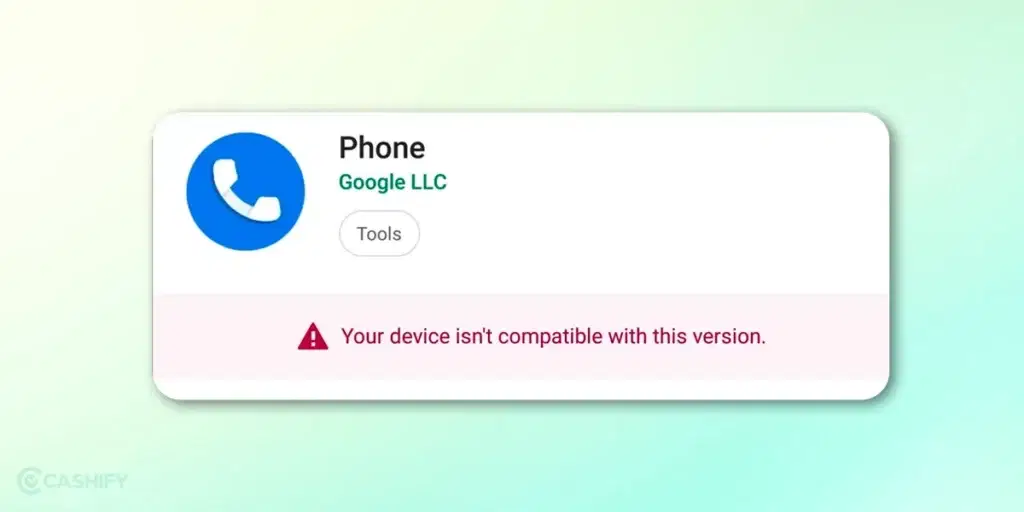
Google Play Store checks several device features before allowing users to download an application. These include the Android version, processor, specs, device certification and the restrictions configured by the app developer.
Your Android Version Is Outdated
One of the most common reasons for this error is an outdated Android operating system. App developers specify the minimum Android version required to run their applications. If your smartphone runs an older version, Google Play may prevent you from downloading the app.
For example, an application that requires Android 14 or later may not be available on a smartphone running Android 12. You can check whether your manufacturer has released a newer Android version for your device.
Google Play also has rules about how recently apps must be updated for newer Android versions. These rules are different from an app’s minimum Android requirement. An older app may become unavailable to new users on newer Android devices if it does not meet Google Play’s API requirements.
Your Smartphone Does Not Meet Hardware Requirements
Some applications require specific hardware capabilities to function correctly.
This is relevant to demanding games, augmented reality applications and other resource-intensive software.
For example, a game may require a particular graphics capability or processor architecture that your smartphone does not support.
App developers can also specify requirements related to:
- Processor architecture (CPU ABI).
- Graphics processing capabilities.
- Camera and sensor availability.
- GPS, NFC and other hardware features.
- Required Android system libraries.
Even if two smartphones run the same Android version, they may not support exactly the same applications.
The App Is Not Available In Your Country
Application developers can restrict distribution to selected countries or regions. For example, a banking app may only be available to users in countries where the developer officially provides its services.
Your Google Play country also influences which applications appear in the Play Store.
Using a VPN does not automatically change your Google Play country or make an app available in your region. Google Play country settings have separate eligibility requirements.
Google Play Store Problems
Sometimes, temporary Google Play Store issues can affect app downloads or updates. If I see a temporary store problem, I’d start by clearing the Play Store cache. However, if your phone does not meet the app’s minimum Android version, hardware or regional requirements, clearing temporary files will not resolve the compatibility issue.
Before considering a phone upgrade, I’d check the app’s listed requirements, your Android version, device certification and Google Play country settings.
Your Device Is Not Play Protect Certified
Google Play Protect certification confirms that a device has passed Android compatibility testing. It is eligible to include licensed Google apps. An uncertified device may have problems with Google apps, updates or certain app features.
To check certification:
- Open the Google Play Store.
- Tap your profile picture.
- Go to Settings.
- Tap About.
- Look for Play Protect certification.
Device certification is different from Google Play Protect’s malware-scanning feature. Turning off Play Protect will not fix a device-certification issue. If your phone is listed as uncertified, you should follow Google’s official troubleshooting guidance.
Also Read: How To Find My WhatsApp Number And Change It?
You Can Try Out These Solutions
You can try a few methods to resolve this issue and enjoy your favourite apps and games on your Android device. Let’s explore these solutions in detail to enhance your smartphone experience:
1. Check for Updates:
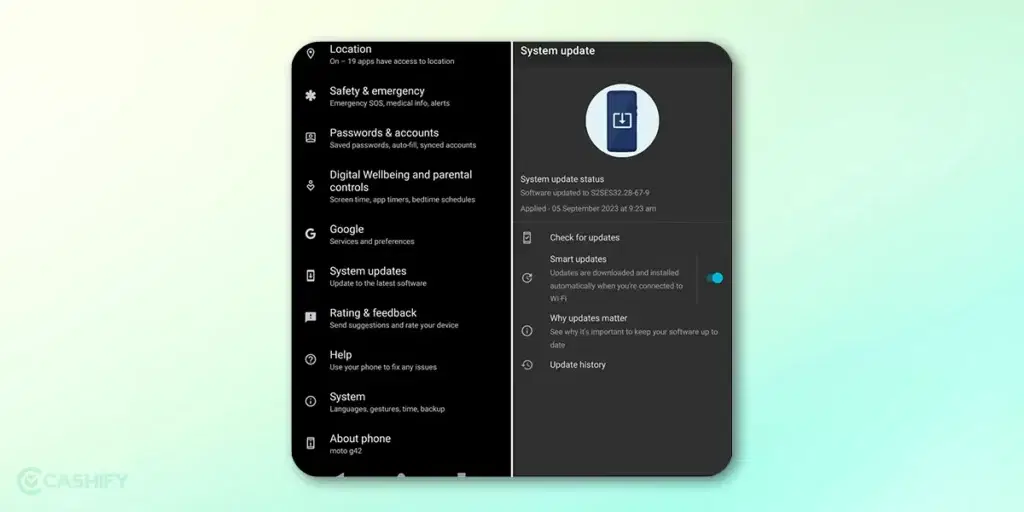
One of the first things to try is updating your phone’s software.
Open Settings and look for System Update or Software Update. The exact menu name and location may vary depending on your phone’s manufacturer, such as Samsung, Xiaomi or Motorola.
Tap Check for updates, then install anything that shows up.
After that, restart your phone and try downloading the app again.
If no update appears, check the manufacturer’s support page to confirm whether your phone is eligible for a newer version.
Also Read: On-Screen Keyboard Shortcut: How To Enable Or Disable It?
2. Clear Google Play Store Cache and Data
Temporary files stored by the Google Play Store can sometimes cause download errors or prevent apps from updating correctly. Clearing the cache may help resolve these temporary issues.
Follow these steps:
- Open Settings on your Android smartphone.
- Go to Apps or App Management.
- Find and select Google Play Store.
- Tap Storage or Storage & Cache.
- Select Clear Cache.
- Restart your smartphone and check whether the app is available for download.
If the problem persists, you can try selecting Clear Data or Clear Storage for the Google Play Store.
What About Google Play Services?
Google Play Services helps Android apps connect with Google services and do background tasks. If you continue getting Play Store errors after trying the steps above, clearing its cache may be worth it.
To do this, open Settings > Apps > Google Play Services > Storage or Storage & Cache > Clear Cache.
Avoid clearing Google Play Services data unless other troubleshooting methods have failed. Doing so can remove locally stored information. It includes some Google Pay-related information. This may require you to sign in to your Google Account again.
3. Clear the Cache of an Installed App
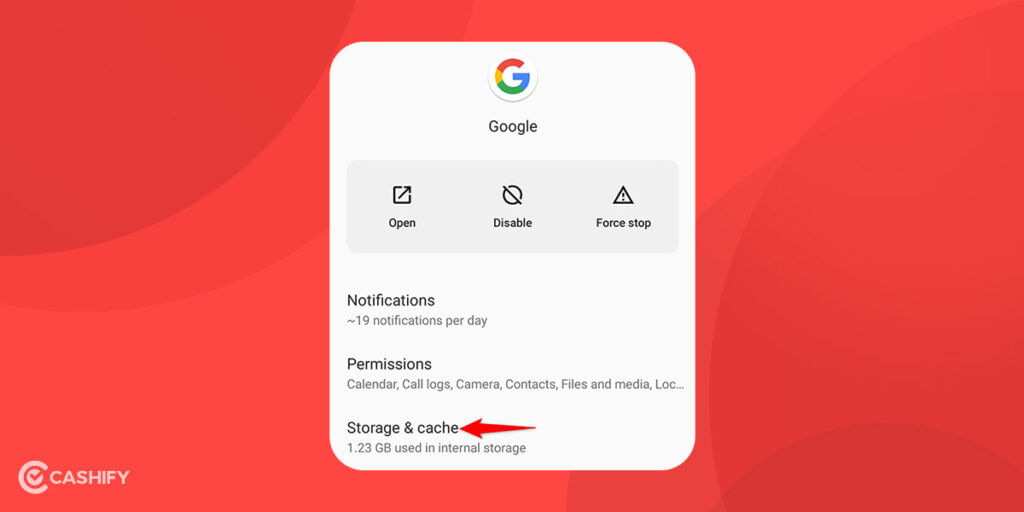
Note: This step can help with problems in an installed app, not with Play Store download restrictions.
- Open your phone’s Settings and go to Apps (or “App Management”).
- Scroll through the list and select the app that’s causing trouble.
- Inside the app settings, look for Storage & cache (sometimes just “Storage”).
- First, tap Clear cache.
Also Read: The Best Smartphones To Buy During This Big Billion Day Sale!
This removes temporary files that the app stores to improve loading times. If these files become corrupted or outdated, they can cause glitches, slow performance or crashes.
If the issue still isn’t fixed, go back and tap Clear data. It removes all saved app data, settings, login information, and preferences. It restores the app to its original state as if it were freshly installed.
Note: Clearing an app’s cache or data is mainly useful for problems with an installed app. It will not make an incompatible app available for download.
Also Read: Did You Know These 5 Hidden Features In Amazon Fire?
4. Reinstall The App
This step is useful if an app is already installed but is malfunctioning or failing to update. It will not bypass the Play Store’s compatibility restrictions. Before uninstalling, make sure your important app data is backed up.
Start by removing the app from your phone completely. Long-press the app icon on your home screen or app drawer, then tap Uninstall and confirm.
Once it’s deleted, restart your phone. This helps clear any leftover background issues linked to the app.
After the restart, open the Play Store, search for the same app, and install it again fresh. Sign in if needed and set it up from scratch.
5. Uninstall Updates For System Apps
If a pre-installed system app has started malfunctioning after an update, you may be able to uninstall its updates and restore the factory version. This option is not available for every app and should only be tried when troubleshooting an issue with an already installed system app. It will not bypass genuine device compatibility restrictions.
- Open Settings and go to Apps or App Management.
- Select the pre-installed system app.
- Tap the three-dot menu, if available.
- Select Uninstall updates and confirm.
- Restart the phone and check whether the app works correctly.
6. Check Play Protect Certification
If the error continues, check whether your phone is Play Protect certified. Uncertified devices may have problems with Google apps, system updates and some app features.
- Open the Google Play Store.
- Tap your profile picture and select Settings.
- Open About.
- Look for Play Protect certification.
If your phone is not certified, check whether it has an unlocked bootloader, root access or a modified Android version. Install available official system updates and follow your manufacturer’s guidance to restore the original software if necessary. Avoid flashing firmware unless you understand the risks.
Solutions At A Glance
These methods can help resolve temporary Google Play Store errors, download problems and app glitches. However, if your smartphone does not meet an app’s minimum requirements, you may need a supported device or an app version officially compatible with your phone.
Fix | What it does | When to use |
|---|---|---|
Update Android | Installs available system updates | When the app requires a newer Android version |
Clear Play Store cache | Removes temporary store files | When the Play Store may be experiencing a temporary problem |
Clear app cache | Removes temporary app files | When an installed app has glitches or crashes |
Reinstall the app | Installs a fresh copy | When the app installation may be damaged |
Check Play Protect certification | Helps identify device-certification problems | When the device may be uncertified |
Check app requirements | Identifies OS, hardware or regional restrictions | When the error persists after basic troubleshooting |
Contact the developer | Confirms specific compatibility requirements | When the phone appears compatible but the error remains |
FAQs
1. Why does Android say “Your device isn’t compatible”?
This can happen if your Android version, hardware, or region does not meet the app’s requirements.
2. How can I fix an incompatible app?
Try updating Android, clearing the Play Store cache, or reinstalling the app. Also check the app’s system requirements.
3. Can I install an incompatible app using an APK?
Installing an APK may not resolve compatibility restrictions. The app may still fail to install or run if your phone does not meet its Android version, hardware or other requirements. Downloading APKs from unofficial sources can also expose your device to security risks.
4. Why is an app unavailable in my country?
Some developers restrict apps to certain countries. Your Google Play country settings can also affect availability.
5. Can an old Android version cause compatibility issues?
Yes. Newer apps may require a newer Android version or specific hardware that older phones do not support.
Verdict
The “Your Device Is Not Compatible With This Version” error can occur because of an outdated Android version, unsupported hardware, regional restrictions or device certification issues.
Start by checking your phone’s Android version and the app’s minimum requirements. You can try troubleshooting steps. It includes restarting your phone, clearing the Google Play Store cache and checking for system updates.
If your device does not meet the app’s requirements, these fixes will not bypass the restriction. In that case, check with the app developer for supported devices or consider upgrading to a compatible smartphone.
If you’ve just bought a new phone and don’t know what to do with your old phone, then here’s your answer. Sell old mobile to Cashify and get the best price for it. If you are planning to buy a new phone, check out Cashify’s refurbished mobile phones. You can get your favourite phone at almost half price with six-month warranty, 15 days refund and free delivery.

Manidipa Ray
Manidipa Ray is a Senior Content Writer at Cashify with over a decade of experience in content writing across diverse niches. With a growing specialisation in technology, she enjoys exploring smartphones, gadgets and emerging tech trends and making complex technical topics easier for readers to understand.
At Cashify, she primarily writes technology blogs covering smartphone comparisons, buying guides, evergreen tech explainers, mobile deals, festive sales, tech news and industry trends. She also handles the repair blogs vertical, creating informative content on smartphone and laptop repairs, common device issues, troubleshooting and repair solutions. Her writing covers a wider range of topics, including gaming consoles, processors, chipsets and operating systems. She has also contributed to Cashify's web and app content.
Beyond writing, Manidipa enjoys exploring new apps, attending tech events and participating in field visits to gain first-hand experience with devices, repair processes and real-world technology challenges. She brings these practical insights into her content to help readers understand technology better and make informed decisions.