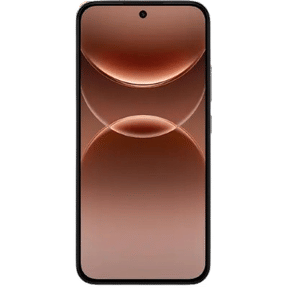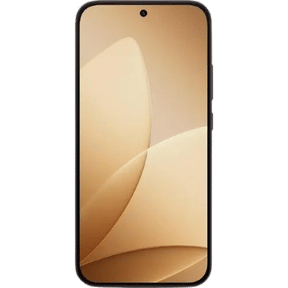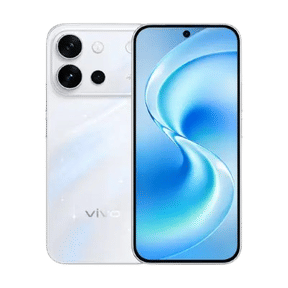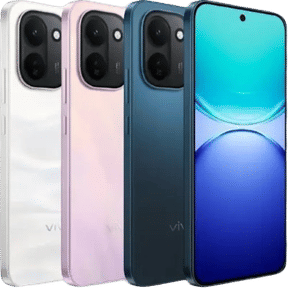


Android smartphone brands use their own custom interfaces to offer a different software experience. Motorola has Hello UI, while OnePlus smartphones run on OxygenOS. Both offer a clean and smooth experience, but their approach is quite different.
Hello UI focuses on simplicity and keeps things closer to stock Android. OxygenOS offers more customisation, features and polished animations. So, which one is actually better? Let’s compare Hello UI vs OxygenOS based on the overall user experience.
Also Read: Samsung Galaxy Z Fold8 First Impressions: Samsung’s Boldest Foldable Yet
Hello UI vs OxygenOS: Quick Comparison
| Feature | Hello UI | OxygenOS |
| Interface | Clean and simple | Modern and feature-rich |
| Stock Android Feel | Better | Good |
| Customisation | Good | Excellent |
| Animations | Smooth | More polished |
| AI Features | Moto AI | OnePlus AI |
| Multitasking | Good | Excellent |
| Security | Moto Secure | Strong privacy tools |
| Bloatware | Lower | Moderate |
| Best For | Clean Android lovers | Feature-focused users |
Hello UI vs OxygenOS: User Interface
The Hello UI is one of the more streamlined UIs on Android. A nearly stock Android experience makes Motorola’s UI simple. The majority of the UI components, including the settings menu and the notification shade, stay the same.
Although Motorola has made some design changes and minor feature additions, they still adhere to Android’s UI. Because of this, if you are used to Android on your Pixel and prefer a clean UI, Hello UI is a good choice.

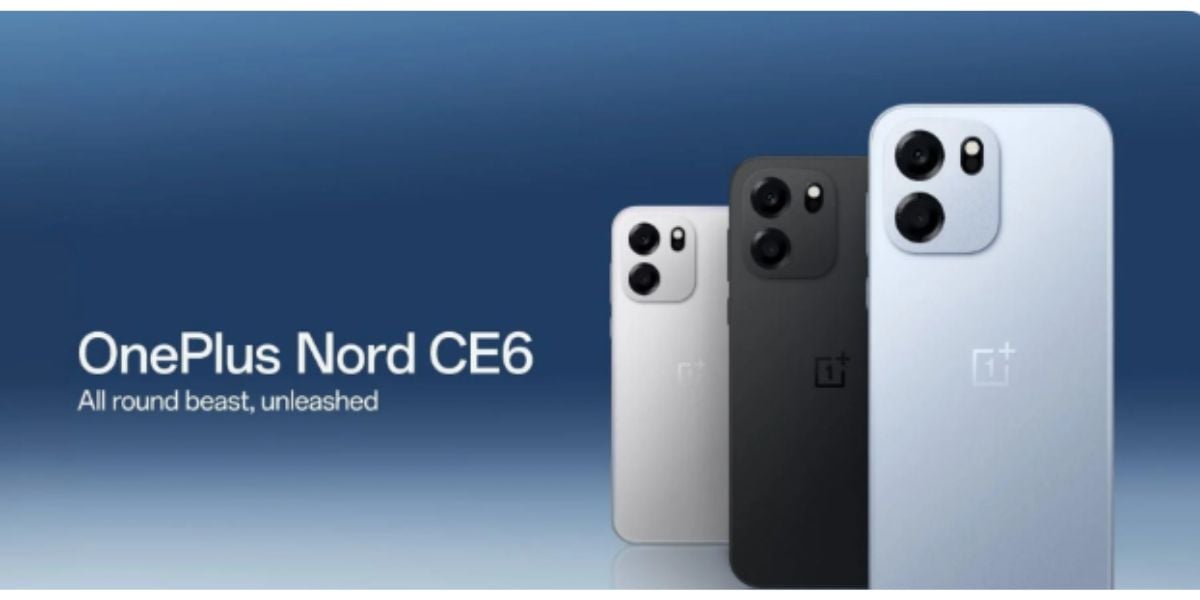
OxygenOS is on the more modified side of Android. Animations, visual effects, and personalisation get a lot of attention from OnePlus. While still easy to use, the interface is modern, polished, and a lot more modified than the others.
Winner: Tie
Also Read: Xiaomi 17T Review: A Near-Flagship That Nails The Essentials
Hello UI vs OxygenOS: Performance And Animations
Both Hello UI and OxygenOS provide nice performance with strong hardware. Hello UI performance is good with a very clean UI. Navigation is quick and responsive, and managing apps and settings is hassle-free.
Animation is an area of focus for OxygenOS. Transitioning between apps is an important element of a modern UI, and OnePlus has invested resources to that effect. Smooth animations are provided in OxygenOS with the help of Parallel Processing across the new versions.
Based on everyday use, you will not notice any significant performance differences between Hello UI and OxygenOS. However, where Hello UI slightly lacks in performance, OxygenOS is a lot more refined.
Winner: OxygenOS
Hello UI vs OxygenOS: Customisation
Hello UI offers sufficient basic customisation. Users can choose among wallpapers, colours, fonts, and icons. Customisation comes easy with a simple menu option in Hello UI.
OxygenOS takes a huge leap and provides many more customisation options. Among many things, users can alter animations, screens, and displays. OxygenOS offers more to users who like a lot of customisation on their devices.
Hello UI and OxygenOS demonstrate considerable performance with nice UI. OxygenOS has a slight edge in performance, animations and customisation; however, Hello UI offers a lot of basic customisation.
Winner: OxygenOS
Also Read: Primebook 2 Max Review: Real-World Testing Plus An Exclusive Chat With Its Founder
Hello UI vs OxygenOS: AI Features
We’ve seen AI software beginning its integration into Motorola and OnePlus devices.
For Motorola devices, you can use Moto AI. Moto AI easily computes information summaries, offers assisted context and even remembers content. There are features (Catch Me Up and Remember This) made to simplify day-to-day tasks on a smartphone.
OnePlus implements several AI tools as well. One such tool is Mind Space, which goes beyond the normal gaming facility and provides a space to efficiently organise information. Productivity and writing tools, as well as image editing, are available on specific devices with OxygenOS.
Several factors determine the availability of these tools, such as the device model and region. However, OxygenOS still provides a more extensive AI experience.
Winner: OxygenOS
Hello UI vs OxygenOS: Multitasking
Hello UI supports common Android multitasking features such as split-screen applications and floating windows on supported devices.
Motorola also has Smart Connect, which is particularly useful if you use multiple devices. It allows compatible Motorola smartphones to connect with PCs, tablets and external displays for file sharing, screen mirroring and other tasks.
OxygenOS also offers excellent multitasking. Features such as Open Canvas make switching and working between multiple applications easier, especially on larger displays.
For regular smartphone users, both are more than capable. However, OxygenOS offers slightly better multitasking flexibility.
Winner: OxygenOS
Hello UI vs OxygenOS: Privacy And Security
Motorola offers Moto Secure, which puts several privacy and security features in one place. Users can manage app permissions, network security and sensitive applications. Secure Folder can also protect private apps and files.
OxygenOS also includes multiple privacy features, including Private Safe, app locking and Android’s built-in permission controls.
Both provide good security for everyday users, but Moto Secure makes important privacy settings easier to find and manage.
Winner: Hello UI
Also Read: Apple iPhone 16 Plus Long Term Review: Great Camera, Great Battery, But…
Hello UI vs OxygenOS: Bloatware
Hello UI generally provides a cleaner software experience. Motorola includes some of its own apps and services, but the interface usually feels less crowded.
OxygenOS has become more feature-heavy over the years and includes more first-party services and applications. Some users may find these useful, while others might prefer Motorola’s simpler approach.
If minimal software is your priority, Hello UI has an advantage.
Winner: Hello UI
Verdict
Choosing between Hello UI and OxygenOS depends on what you want from your smartphone.
Go with Hello UI if you prefer clean Android, simple navigation, fewer unnecessary features and useful tools such as Moto Secure and Smart Connect. Choose OxygenOS if you want better customisation, polished animations, stronger multitasking and more AI features.
Overall, OxygenOS wins the Hello UI vs OxygenOS comparison. It offers a more complete and feature-rich user experience while maintaining smooth performance. However, Hello UI remains an excellent choice for users who simply want a clean, lightweight, and easy-to-use Android interface.