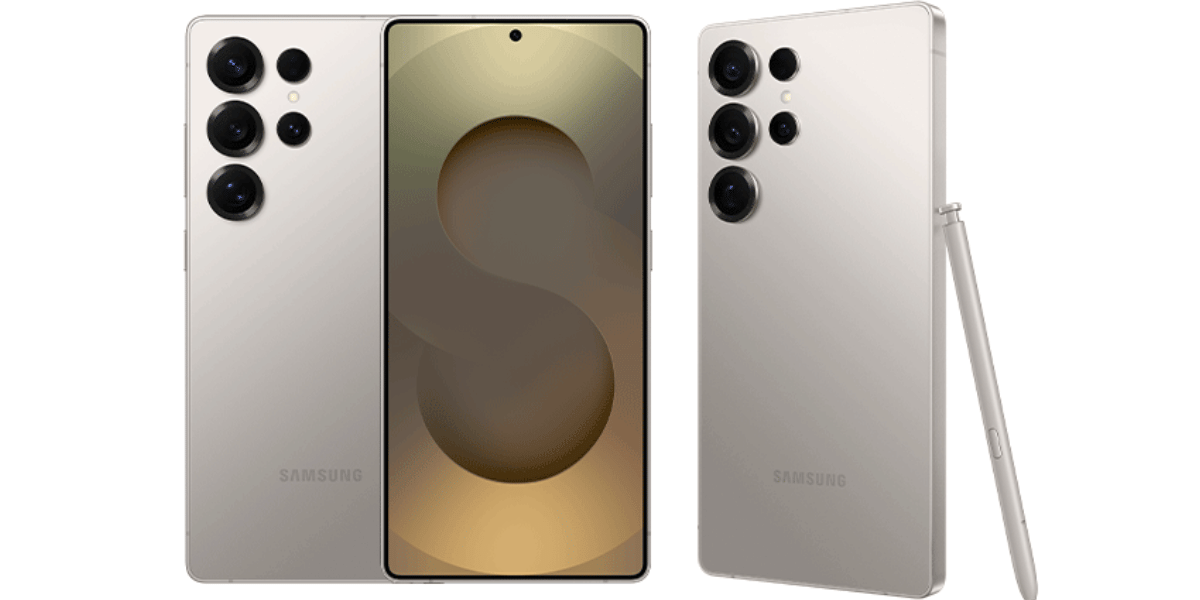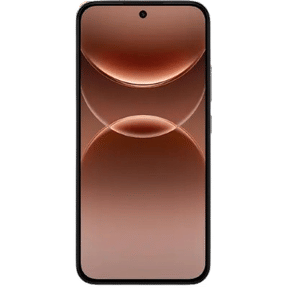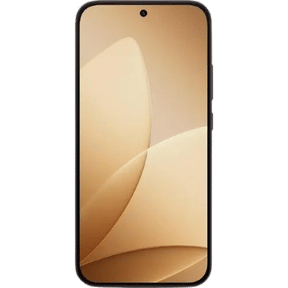


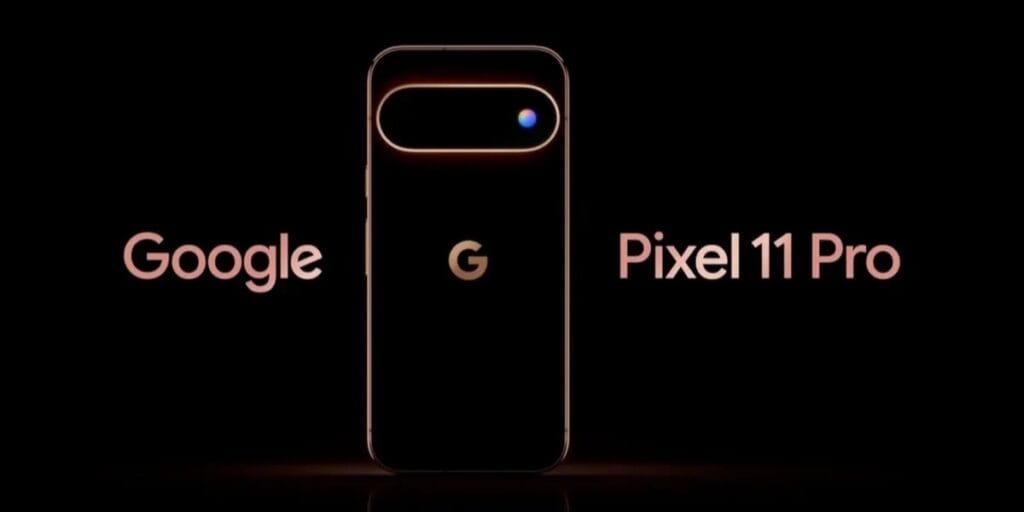
Google is set to launch the Pixel 11 series in India on August 12, 2026. According to reports, tech enthusiasts are expecting major upgrades with the new lineup, particularly in areas where Google could challenge the Samsung Galaxy S26 series.
The upcoming Pixel phones are expected to feature the latest Google Tensor G6 processor with built-in Gemini AI integration, along with possible camera upgrades for an improved photography experience. With several hardware and software changes expected, the Pixel 11 series could finally give Samsung a serious challenge.
Let’s take a look at the major upgrades and features that could make the Pixel 11 series a strong competitor to Samsung.
Google Could Finally Fix Tensor’s Performance Problem
The processor will be one of the key points here. The Google Tensor G6 processor is made using TSMC’s new 2nm manufacturing process. It has a new 7-core ARM C1 CPU design. That includes one powerful core, four regular cores, and two additional ones, with the powerful core running at 4.11GHz.
This processor focuses on energy efficiency and heat management rather than just improving multi-core performance. It also has an updated PowerVR GPU for better performance.
Google also shifts away from older Samsung Exynos modems to the MediaTek M90 modem for connectivity. So, might see better performance in the Tensor G6 chipset compared to Samsung’s Exynos 2600 chipset.
Also Read: Samsung Galaxy Z Fold8 Ultra First Impressions: Slimmer, Smarter, But Is It Truly Ultra?
Pixel 11’s Camera Could Give Samsung a Serious Challenge
Camera performance will always be a key battleground when competing with Samsung. However, we may not see a major camera sensor shuffle or a huge jump in megapixel counts with the Pixel 11 series. The lineup is expected to retain a similar setup. It will include a 50MP primary sensor, 48MP telephoto sensor, and 48MP ultrawide sensor.
That said, Google could bring significant improvements through new camera hardware and software enhancements. Reports suggest the Pixel 11 series could feature new primary camera sensors codenamed “chemosh” and “bastet,” along with upgraded periscope zoom capabilities that could reportedly offer up to 120x Pro Zoom on the Pro models.
The front camera could also receive an upgrade. An Android Headlines report suggests the Pixel 11 Pro models may feature a 42MP selfie camera with a 102-degree field of view. So, it could make it more useful for group selfies and wider shots.
Google is also expected to introduce more advanced AI-powered video and generative machine-learning tools. It will give the Pixel 11 series an edge in computational photography and video processing over Samsung.
Also Read: Samsung Galaxy Z Fold8 First Impressions: Samsung’s Boldest Foldable Yet
Google’s AI May Be Smarter and More Useful
At this point, no one can disagree that Samsung has one of the most feature-rich AI experiences with Galaxy AI. In the AI segment, Samsung has made significant investments to improve its AI capabilities. At the same time, Google has also been working to make Gemini AI more deeply integrated into Pixel phones. Google has even tied up with Apple to make Siri more intelligent for iPhones.
The upcoming Google Pixel 11 series is expected to feature deeper, native Gemini AI integration. It will be powered by the new Tensor G6 chip and a baseline of 16GB RAM on the Pro models. This combination could help the phones process large language models locally and seamlessly, reducing dependency on the cloud and minimising latency.
We could also see a background-listening intelligence tool that automatically logs key insights, meeting notes, and action items directly into apps such as Google Calendar without requiring users to record everything manually.
Gemini Proactive Assistance could be a rebranding and evolution of Google’s previous contextual cue systems. So, it will offer unified and autonomous personal scheduling and data awareness across apps such as Gmail, Maps, and Photos.
Google could also bring enhanced computational photography, including advanced generative zoom clarity, real-time background audio scrubbing, and smarter on-device image processing. Another expected addition is Pixel Glow Integration, with hardware-level notification lighting tied directly to active Gemini states and system alerts.
With these AI-focused features, Google could bring Gemini AI much closer to Galaxy AI while potentially surpassing Samsung in some specific AI segments.
Also Read: Xiaomi 17T Review: A Near-Flagship That Nails The Essentials
A Cleaner Android Experience Could Be Pixel 11’s Biggest Advantage
While I will always be a fan of Samsung’s One UI 9, thanks to its advanced customisation features and minimalist design. It offers without cluttering the user interface. Google is set to introduce Gemini Proactive Assistance and Pixel Glow in the Pixel 11 series, which I have already discussed in the AI section.
Honestly, there are two simple points here: if you like to customise your UI extensively, you will love Samsung. But if you prefer a clean, simple, and clutter-free UI experience, you will likely prefer Google’s Pixel UI.
Also Read: Primebook 2 Max Review: Real-World Testing Plus An Exclusive Chat With Its Founder
Verdict
The Pixel 11 series could be Google’s strongest attempt yet to challenge Samsung’s Galaxy lineup. With the Tensor G6, upgraded camera hardware, deeper Gemini integration, and a clean Pixel UI, Google could finally close the gap in several key areas.
However, Samsung still has an advantage in customisation and its mature Galaxy AI ecosystem. Ultimately, the choice will come down to whether you prioritise Google’s clean, AI-focused experience or Samsung’s feature-rich and highly customisable One UI.
Are you still browsing through your broken screen? Don’t worry! Book an at-home mobile phone screen repair with Cashify—an affordable and one-stop destination for all your mobile phone needs. In case you break your screen within 1 month of repair, we will replace your screen again—for FREE.