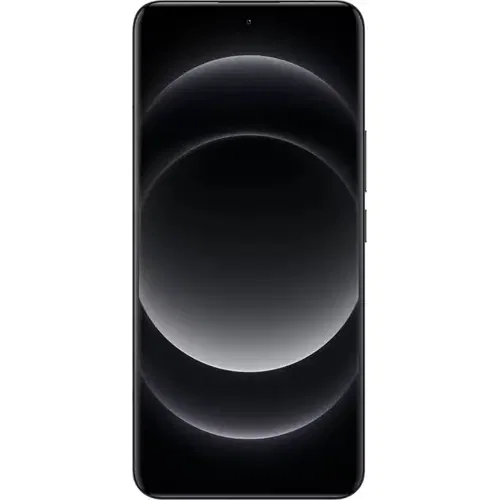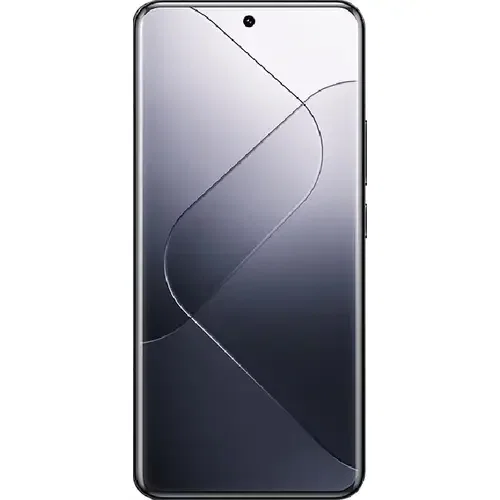
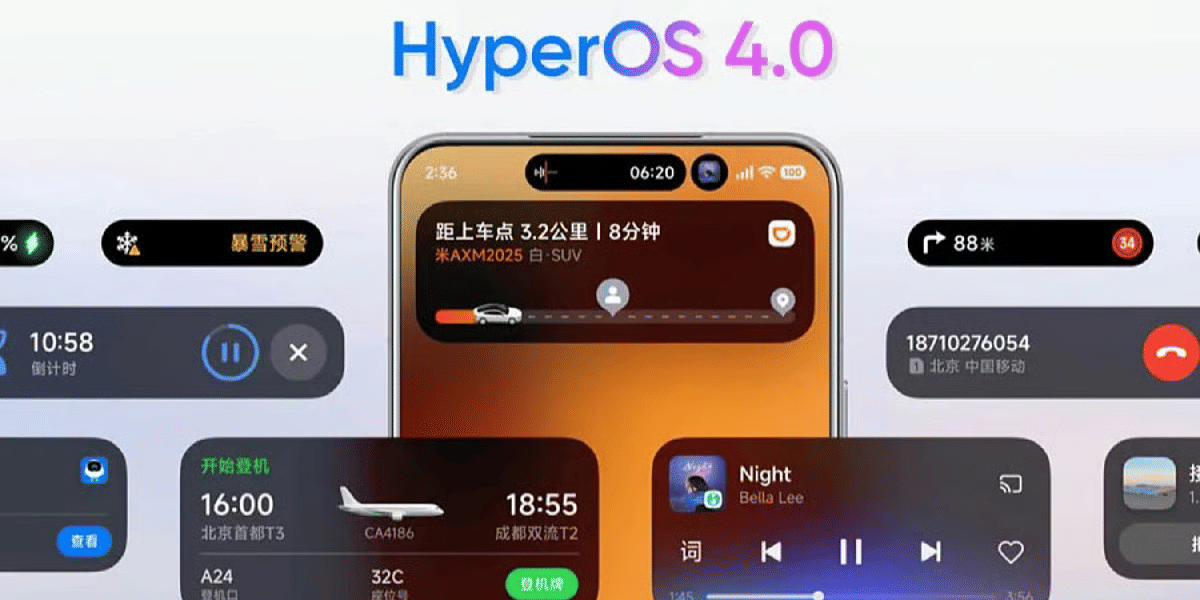
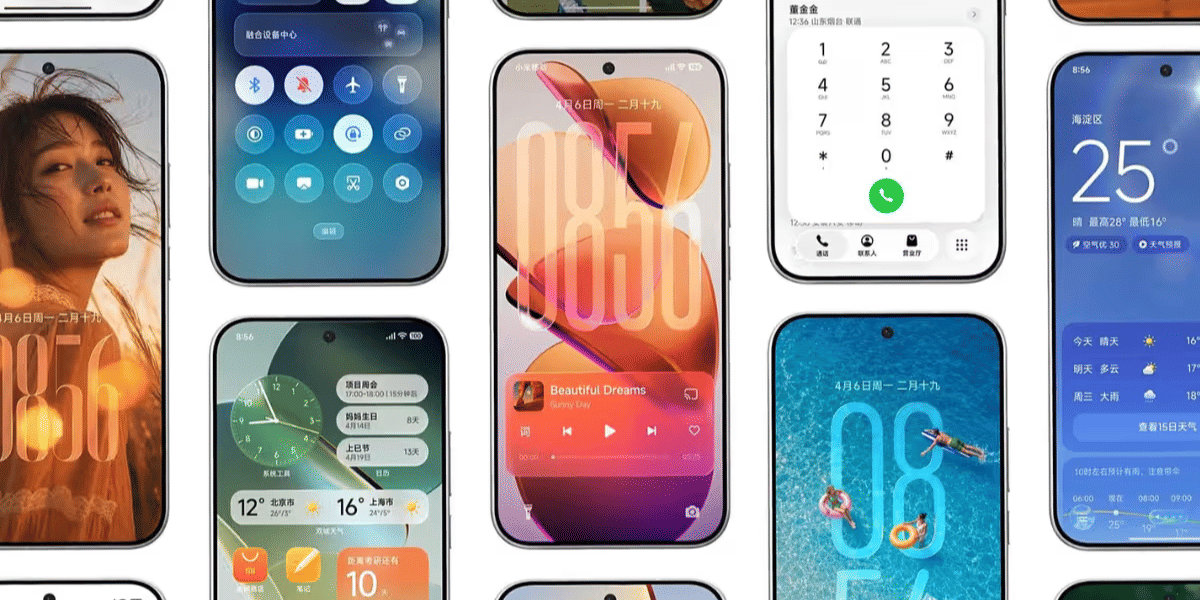
Xiaomi has started the stable HyperOS 4 rollout in China after months of beta testing. The latest software update brings improvements to system performance, memory management and app loading. It also introduces changes to the user interface to make the overall experience cleaner and smoother.
The stable update is reaching several Xiaomi and Redmi devices, including select smartphones and tablets. However, Xiaomi has not announced an official stable release date for global users. Those waiting for the update outside China will have to wait for further details from the company.
HyperOS 4 Rollout: Eligible Xiaomi And Redmi Devices
Xiaomi has begun distributing HyperOS 4 to several devices in China. According to the rollout information, the eligible models include:
- Xiaomi 17 series, except the Xiaomi 17 Max
- Xiaomi 17T and Xiaomi 17T Pro
- Redmi K100 Pro and Redmi K100 Max
- Redmi K90 and Redmi K90 Pro Max
- Xiaomi Pad 8 and Xiaomi Pad 8 Pro
Also Read: HyperOS 4 Update Rollout Starts October 15: Is Your Xiaomi Phone On The List?
Availability may vary by device, and users should check their phone's software update section to see whether the update has arrived.
Xiaomi opened the HyperOS 4 beta programme in China on August 14, 2026. The company expanded beta testing to global users in September. The second global beta batch also included the Xiaomi 15, Xiaomi 15 Ultra, Xiaomi 17T and Xiaomi 17T Pro.
However, the stable release remains limited to China for now. Xiaomi has not confirmed when other markets, including India, will receive the final version.
HyperOS 4 Features: Faster Loading And Better Memory Management
The latest update focuses on improving how the operating system manages resources. Xiaomi has introduced two technologies to its in house HyperCore kernel: load calculation and memory preloading.
Here are the key changes:
- Faster app loading: Memory preloading could help applications open more quickly.
- Improved resource management: Load calculation helps the system manage workloads more efficiently.
- Smoother performance: The updated system aims to reduce lag and make screen transitions more responsive.
- Cleaner interface: Xiaomi has reduced decorative animations and unnecessary visual elements for a simpler appearance.
Xiaomi first introduced its HyperCore kernel with HyperOS 2. HyperOS 4 builds on this foundation with improvements to system level resource scheduling.
Early beta testers have reported smoother transitions and fewer noticeable delays. However, the final experience may vary depending on the device.
For now, Xiaomi users outside China will need to wait for the official global stable rollout announcement. The company has yet to share a confirmed timeline for the wider release.
Are you still browsing through your broken screen? Don’t worry! Book at-home mobile phone screen repair with Cashify—an affordable and one-stop destination for all your mobile phone needs. In case you break your screen within 1 month of repair, we will replace your screen again—for FREE.