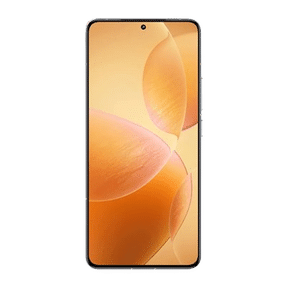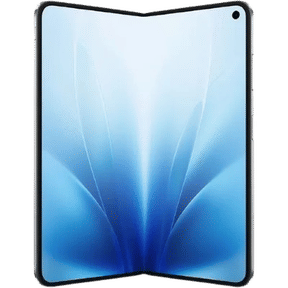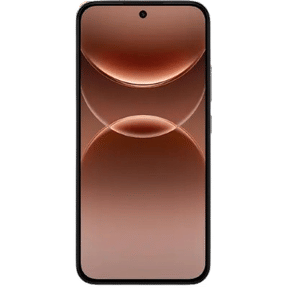


If you have been using a Xiaomi phone for a while, you probably already know the story. Xiaomi phones usually offer amazing hardware for the price. However, the software has always gotten a bit of a mixed reaction. Some users love all the features, while others complain about bugs, inconsistent animations, and memory issues. That classic “MIUI weirdness” that somehow keeps surviving every update. That’s exactly why HyperOS 4 features are getting so much attention right now.
Based on current leaks, Xiaomi doesn’t seem to be treating HyperOS 4 like just another yearly software refresh. Instead, this looks more like a serious attempt to evolve the entire Xiaomi software experience. The modifications go from how the UI looks to how the system runs in the background.
Also read: Top Vivo X300 FE Features That Make It More Flagship Than Ever!
What Is HyperOS 4?
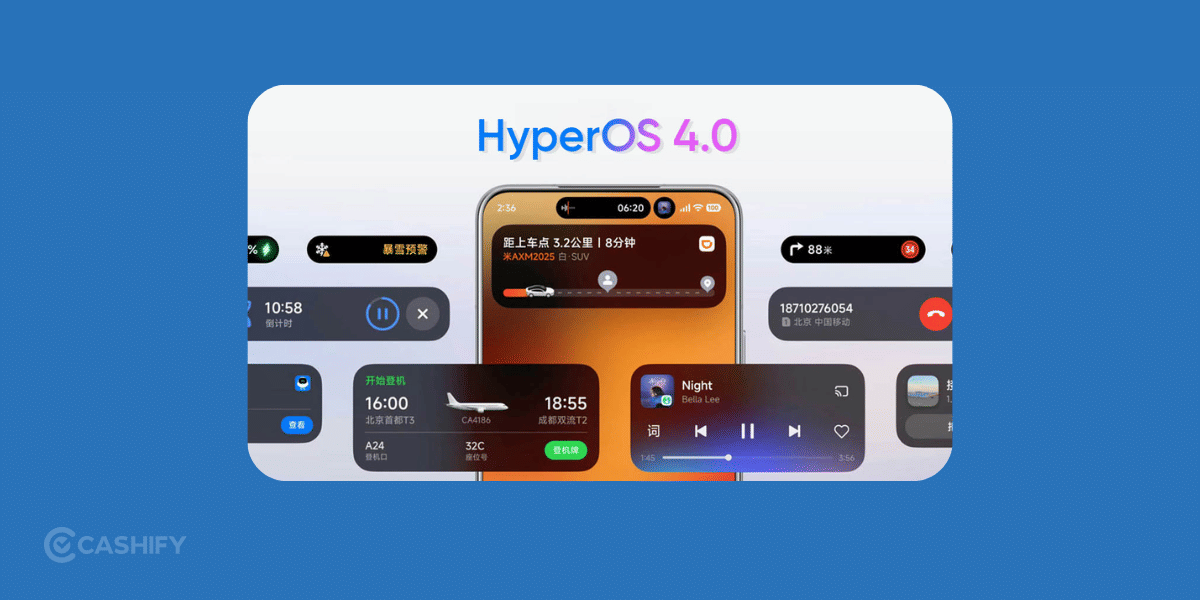
HyperOS 4 is expected to be Xiaomi’s next major operating system update, reportedly built on Android 17.
If HyperOS 1 was Xiaomi saying, “Okay, we’re moving away from MIUI branding,” then HyperOS 4 feels more like Xiaomi saying, “Now let’s actually rebuild things properly.”
That’s the vibe current leaks are giving.
Instead of just adding more features on top of old software layers, Xiaomi is reportedly making bigger changes to both the system design and the code architecture underneath.
In simpler words: HyperOS 4 might not just look newer. It could actually feel better to use every day.
Latest Update: HyperOS 4 Beta Rollout Begins
From 16 September 2026 onwards, Xiaomi has officially begun rolling out the HyperOS 4 beta to select global smartphones, expanding beyond its domestic test phase. Registered testers in eligible regions can now download the over-the-air build directly by checking their device settings.
Eligible Devices
The rollout is scheduled in two initial waves:
- Wave 1: Xiaomi 17, Xiaomi 17 Ultra, and Leica Leitzphone by Xiaomi.
- Wave 2 (Starting September 17): Xiaomi 17T, Xiaomi 17T Pro, Xiaomi 15, and Xiaomi 15 Ultra. Further models will follow later.
In this beta rollout, HyperOS 4 introduces a refreshed “Soft Light Glass” aesthetic, stacked notifications, customizable widgets, and deeper system-wide AI capabilities designed to boost system fluidity and efficiency.
Expected HyperOS 4 Features
Now for the part everyone actually cares about.
These are the most talked-about HyperOS 4 features so far.
1. Liquid Glass UI Could Be the Biggest Visual Upgrade Yet
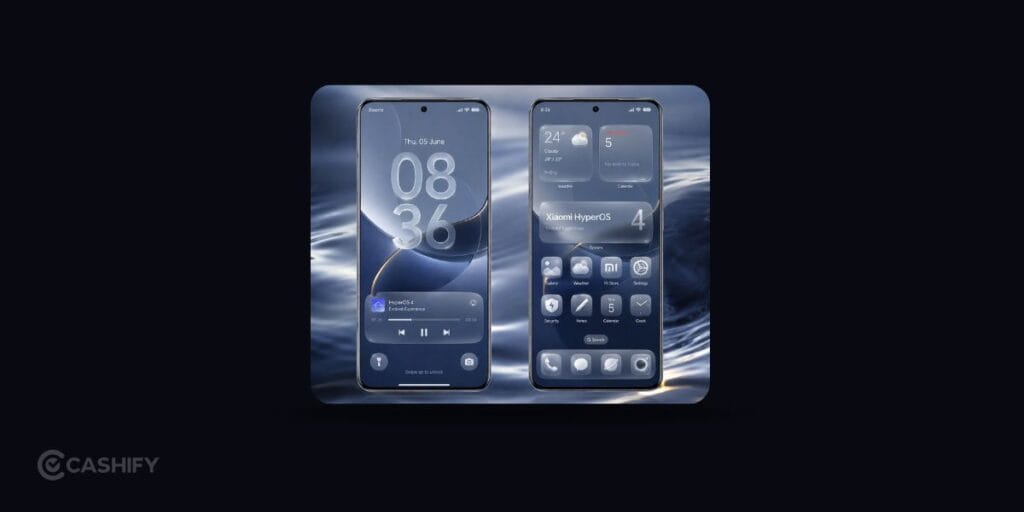
HyperOS 4 is expected to introduce a full Liquid Glass UI redesign. It has frosted transparency, layered visuals, blur effects, floating cards, and glossy elements. The update may include 2.5D rounded icons, refined launcher elements, and two texture modes.
You would see Transparent and Soft Blur. It is inspired by Apple’s Liquid Glass design. But, Xiaomi is expected to add its own Leica-style colour tuning for a premium appearance.
Flagship devices may receive the complete glass effect experience. HyperOS 4 is also rumoured to improve overall system smoothness by around 40 percent.
Also read: Amazon Upcoming Sale: Sale Dates, Offers, All Details!
2. Blur Effects and Texture Controls Could Be More Customisable
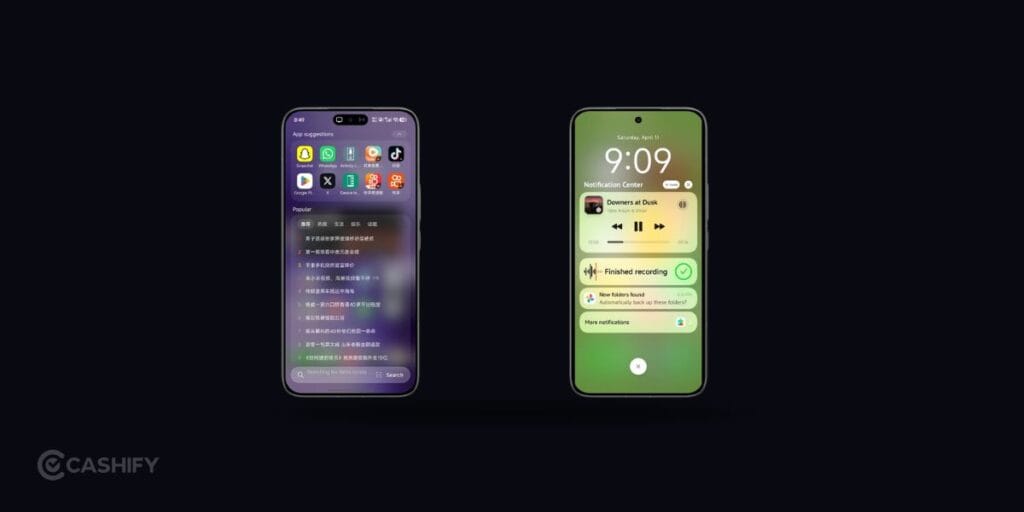
Another interesting leak suggests Xiaomi may let users adjust visual texture settings.
Possible options include:
- Transparent blur
- Frosted blur
- Soft blur modes
Basically, users might be able to choose how strong or subtle these glass effects look.
This adds more personalisation without needing themes or third-party launchers.
That’s a nice quality-of-life improvement.
Because let’s be real. Some users love flashy visuals, while others just want a cleaner, minimal look.
Giving both options is a win.
Also read: HyperOS 4 Release Date In India & Full List of Supported Devices!
3. Xiaomi’s Native Keyboard May Finally Look Modern
A redesigned keyboard is also rumoured. Now, this might sound like a tiny feature, but people use the keyboard literally every day. So visual improvements here actually matter more than you’d think.
Expected keyboard changes:
- Rounded keys
- Frosted glass background
- Cleaner layout
- Better animations
Leaks suggest the design feels slightly iOS-inspired, especially with rounded styling and blur effects.
But not in an obvious copycat way. More like Xiaomi borrowing design trends that users already find visually appealing.
And honestly, Xiaomi’s keyboard visuals have looked fairly average for years.
So this refresh feels overdue.
Also read: Which Samsung Phones Will Get Android 17? All Details Inside!
4. Lock Screen Customisation Could Get Much Better
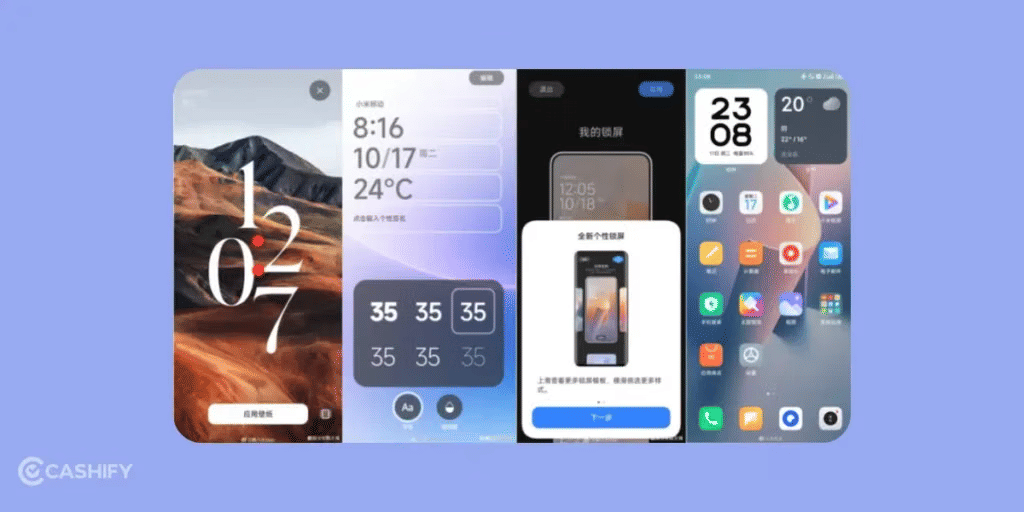
Customisation is another area getting attention. HyperOS 4 may expand lock screen personalisation significantly.
Rumoured upgrades include:
- Glass-style clocks
- Depth wallpaper effects
- New fonts
- More layout styles
- Blur overlays
This would give users more flexibility without relying on themes. And that’s important because Android users love personalisation. A more customisable lock screen instantly makes a phone feel newer and more personal.
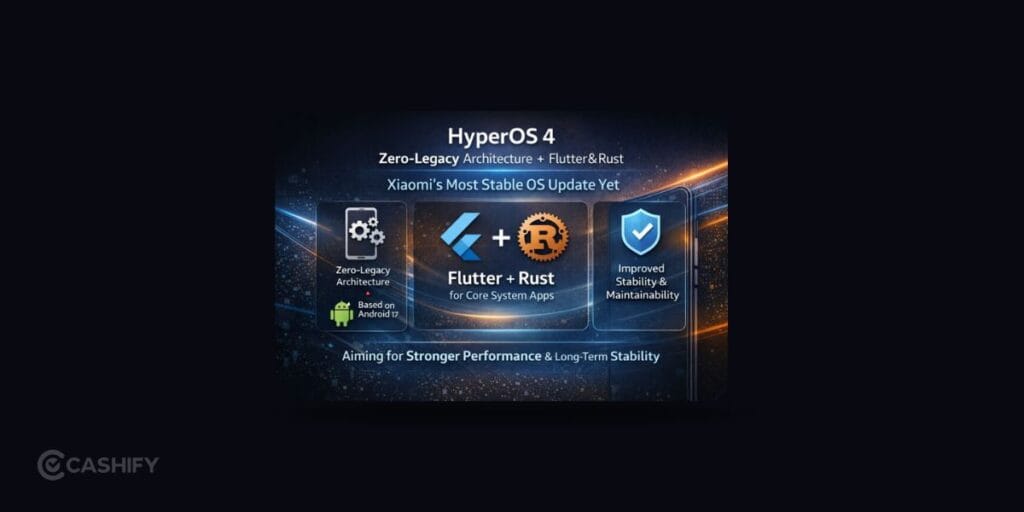
5. Zero-Legacy Architecture Could Fix Old MIUI Problems
Now this is probably the most important upgrade! Even if it’s not visually exciting.
HyperOS 4 reportedly aims for a zero-legacy architecture.
That basically means Xiaomi is removing old MIUI code that has been carried forward for years. And honestly, this is long overdue.
Old legacy code often creates problems like:
- Memory leaks
- Random bugs
- App crashes
- Poor optimisation
If Xiaomi is really cleaning house here, this could be one of the biggest software improvements in years.
Potential benefits:
- Faster performance
- Lower RAM consumption
- Better app stability
- Reduced crashes
This is the kind of feature users won’t “see” directly but they will definitely feel it.
Also read: Android 17 Release Date And Features: Early Details Leak
6. Core Apps May Be Rebuilt Using Rust and Flutter
Leaks suggest Xiaomi is modernising system apps using:
- Rust
- Flutter
Why does this matter?
Rust is known for:
- Better memory safety
- Improved performance
- Fewer crashes
Meanwhile, Flutter helps create:
- More consistent interfaces
- Faster development
- Better cross-device compatibility
This could improve apps like Gallery, Weather and System utilities
In the end, it’s a smoother experience across phones, tablets, and ecosystem devices.
Basically, Xiaomi is trying to make HyperOS feel less fragmented.
That’s a smart move.
7. Gaming Features Could Get Better Too
Gamers aren’t being ignored either. Android 17 introduces controller improvements. HyperOS 4 is expected to build on that.
Rumoured gaming upgrades:
- Controller remapping
- Dedicated controller settings
- Virtual controller support
- Real-time FPS monitor
Other expected improvements:
- Better thermal management
- Improved frame stability
- Enhanced Game Turbo tools
This could make Xiaomi phones even stronger gaming devices. Especially since Xiaomi already has a decent reputation among mobile gamers.
Also read: HyperOS 3.1 Release Date, Eligible Devices, More Details!
8. Smarter AI Features Are Almost Guaranteed
AI is basically mandatory in 2026.
HyperOS 4 is expected to expand Xiaomi’s AI features further.
Possible additions:
- Battery optimisation suggestions
- Smarter multitasking
- AI-based performance tuning
- Usage learning patterns
Potential advanced tools:
- AI writing assistance
- AI photo editing
- Voice assistant improvements
Nothing confirmed yet, but AI integration is basically unavoidable at this point.
The real question is whether Xiaomi makes these tools genuinely useful instead of just slapping “AI” on everything.
We’ll have to wait and see.
9. Better Ecosystem Integration
Xiaomi also appears focused on ecosystem improvements.
Expected improvements between:
- Phones
- Tablets
- Smartwatches
- Smart home devices
- Cars
Possible upgrades:
- Faster file sharing
- Better device syncing
- Clipboard sharing
- Seamless handoff features
This is clearly Xiaomi trying to strengthen its ecosystem game.
And honestly, it makes sense.
Brands are increasingly competing on ecosystem experience, not just standalone phones.
Also Read: HyperOS 2.0 Eligible Devices, Release Date All Details List!
Should You Be Excited for HyperOS 4?
Based on leaks alone, yes! HyperOS 4 actually sounds promising. One can expect to get:
- Better visuals
- Cleaner architecture
- Improved gaming
- AI upgrades
- More stability
It feels like Xiaomi is trying to solve long-standing software complaints while also making the UI feel more modern and premium. That combination is exactly what many users desire.
Frequently Asked Questions
When will HyperOS 4 release?
The beta rollout has began in September and the final public version will be live soon as well.
Is HyperOS 4 based on Android 17?
Yes, HyperOS 4 is expected to be based on Android 17.
What is Liquid Glass UI?
Liquid Glass UI is a rumoured frosted, translucent interface design with blur effects and layered visuals.
Which phones will get HyperOS 4?
Expected supported devices include Xiaomi 17 series, Redmi K series, and POCO F series models.
How to get access to HyperOS 4 Beta?
To get access to the HyperOS 4 beta version, all you need to do is just head to Settings > About phone and tap the HyperOS version number to check for the beta update.
Also Read: Android 16 Vs iOS 26: Which OS Has The Better UI ?
Final Words On HyperOS 4 Features
If current leaks are accurate, HyperOS 4 features could make this Xiaomi’s most meaningful software update in years. The combination of Liquid Glass UI, Zero-legacy cleanup, AI tools ste up the UI experience considerably. Added with other Android 17 features.
Of course, leaks are still leaks.
Features can change, get delayed, or be limited depending on device tier.
But for now, HyperOS 4 is looking less like a routine update and more like Xiaomi finally getting serious about software polish. That’s probably the biggest upgrade of all.
If you’ve just bought a new phone and don’t know what to do with your old phone, then here’s your answer. Sell old mobile to Cashify and get the best price for it. If you are planning to buy a new phone, check out Cashify’s refurbished mobile phones. You can get your favourite phone at almost half price with six-month warranty, 15 days refund and free delivery.