

These days, upgrading have to a new smartphone is no big deal. The funny thing is, it happens so quick that people are not even having the mind and soul to depart from their old devices. The old phone works fine, yet you get the new one because of the new feature you fancy. or the software updates that looks cool. This is true even for laptops, smartwatches, tablets and so on. Devices are getting bigger, slimmer, lighter, smaller, gaining new features, a special button. There’s always something to look forward too. As a result, many of us have a growing collection of old devices sitting in drawers, cupboards, and storage boxes. We are aloof about the environmental impact of multiple unused devices.

Also read: How Fast Is India’s E-Waste Growing and Why It’s Alarming?
Why Are We Talking About Environmental Impact Of Multiple Unused Devices?
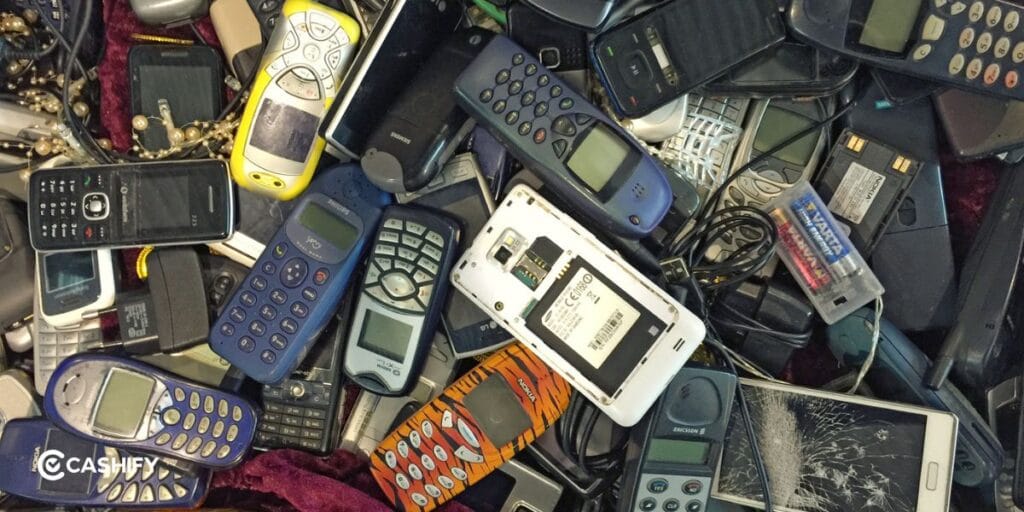
I recently counted the gadgets lying unused in my home and was surprised to find the e-waste junk my family has been collecting. Three old smartphones, two outdated laptops, and a broken smartwatch. Also, several chargers and USB wires that nobody uses anymore. They may seem harmless sitting there. The reality is that unused electronics have a much bigger environmental impact than most people realise.
The problem isn’t just electronic waste. Every unused device represents valuable materials, energy, water, and manufacturing resources that were extracted from the planet. Keeping multiple unused devices for years without recycling or reusing them contributes to a growing global sustainability challenge.
In this article, let’s explore the environmental impact of keeping unused devices, why it matters, and what you can do about it.
Also read: Eco-Friendly Exits: Exploring What Cashify Does with Old Phones
Why Do People Keep Unused Devices?
Before discussing environmental effects, it’s important to understand why old gadgets accumulate in the first place.
Some common reasons include:
- Fear of losing personal data
- Keeping devices as a backup
- Sentimental attachment
- Lack of awareness about recycling options
- Plans to sell them “someday”
- Devices becoming too old to have resale value
The result is what researchers often call “hibernating electronics”. These are devices that remain unused but never leave households.
The Scale Of The Problem
The number of electronic devices worldwide has grown dramatically over the past decade.
People now own multiple connected gadgets, including:
| Device Type | Average Household Ownership Trend |
|---|---|
| Smartphones | 2–5 devices |
| Laptops | 1–3 devices |
| Tablets | 1–2 devices |
| Smartwatches | Increasing rapidly |
| Wireless Earbuds | Common secondary device |
| Gaming Consoles | Often replaced every generation |
When multiplied across billions of people, unused electronics become a massive environmental concern.
Many households have drawers filled with old phones that still contain usable metals and components. Unfortunately, these materials remain locked away instead of returning to manufacturing supply chains.
Also Read: How Companies Like Cashify Make E-Waste Recycling Convenient And Rewarding?
The Hidden Environmental Cost of Electronics
Most people think environmental impact starts when a device becomes waste.
Actually, the largest environmental cost often occurs during manufacturing.
Creating a smartphone requires:
- Mining rare earth elements
- Extracting metals
- Processing raw materials
- Manufacturing components
- Transportation across multiple countries
- Packaging and distribution
The carbon footprint of a smartphone begins long before it reaches your hands.
Environmental Resources Used in a Typical Smartphone
| Resource | Usage |
| Water | Thousands of liters during production |
| Energy | High energy-intensive manufacturing |
| Metals | Gold, silver, copper, cobalt, lithium |
| Rare Earth Elements | Essential for electronics |
| Fossil Fuels | Transportation and production |
When a phone sits unused in a drawer, all those resources effectively remain wasted because the device is no longer providing value.
Also read: How to Identify Certified E-Waste Recyclers Near You?
Mining and Resource Depletion
One of the biggest environmental concerns involves resource extraction.
Modern devices contain dozens of valuable materials, including:
- Gold
- Silver
- Palladium
- Copper
- Lithium
- Cobalt
- Nickel
- Rare earth minerals
These materials are not infinite.
Mining operations often lead to:
- Habitat destruction
- Water pollution
- Soil degradation
- Deforestation
- Increased carbon emissions
Every new smartphone requires freshly extracted resources if older devices are not recycled and materials are not recovered.
Think of it this way: an unused phone sitting in a drawer is like keeping a small gold mine locked away where nobody can access it.
Also read: Smart E-waste Disposal: Why Your Old Gadget Deserves a Greener Goodbye!
E-Waste: The Fastest Growing Waste Stream
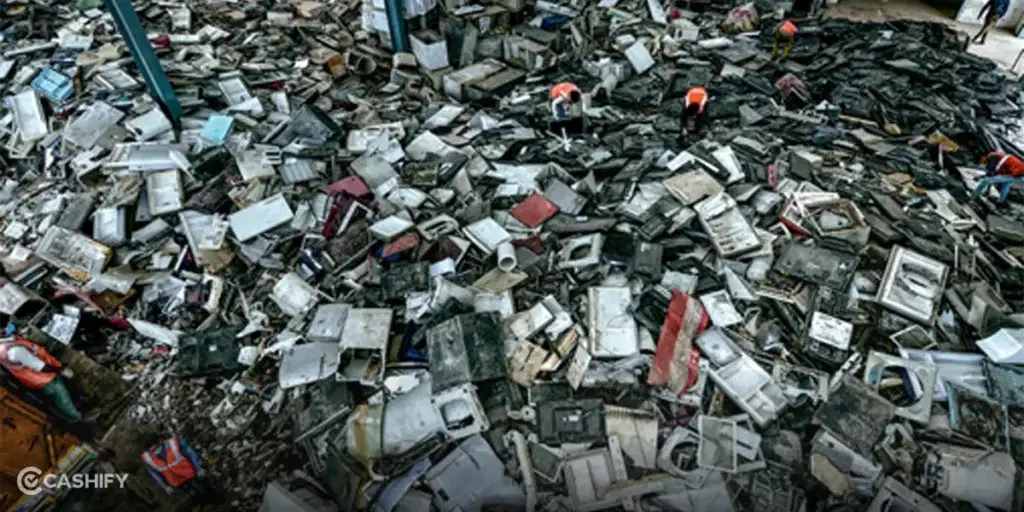
Electronic waste, commonly called e-waste, is now one of the fastest-growing waste categories worldwide.
Common Types of E-Waste
| Category | Examples |
| Mobile Devices | Smartphones, tablets |
| Computing Devices | Laptops, desktops |
| Accessories | Chargers, cables |
| Wearables | Smartwatches, fitness bands |
| Entertainment Devices | Consoles, media players |
The problem becomes worse when devices remain unused for years and eventually become impossible to repair or reuse.
By the time many people decide to dispose of an old gadget, it may no longer have any practical second-life value.
Also read: How Proper E-Waste Recycling Can Help Combat Climate Change!
Toxic Materials Can Become a Risk
Many electronic devices contain substances that require responsible disposal.
Examples include:
- Lead
- Mercury
- Cadmium
- Brominated flame retardants
When electronics are improperly discarded, these substances can eventually enter:
- Soil
- Groundwater
- Rivers
- Ecosystems
Although a phone sitting in your drawer isn’t immediately leaking toxins. Storing it indefinitely often delays proper recycling, increasing the likelihood of improper disposal later.
Battery Degradation Creates Additional Problems
Unused devices often contain lithium-ion batteries.
These batteries continue aging even when not being used.
Over time they can:
- Lose capacity
- Swell
- Become safety hazards
- Become difficult to recycle efficiently
I’ve personally seen old phones stored for years develop swollen batteries that made the devices unusable. Once batteries reach that stage, repair and reuse become much less practical.
What Happens to Unused Batteries?
| Time Stored | Possible Outcome |
| 1–2 Years | Reduced battery health |
| 3–5 Years | Significant degradation |
| 5+ Years | Swelling and safety concerns |
| 7+ Years | Potential recycling complications |
Also read: How Cashify Is Turning India’s E-Waste Management Into a Sustainability Movement?
Lost Opportunities For Reuse
Perhaps the most overlooked environmental impact is the loss of reuse opportunities.
Every reused device delays the need for manufacturing a new one.
If an old smartphone is:
- Sold
- Refurbished
- Donated
- Handed down to family members
its useful life extends significantly.
This reduces demand for new resource extraction and manufacturing.
A phone used for six years instead of three years effectively cuts its annual environmental footprint nearly in half.
The Circular Economy Problem
Experts often talk about a “circular economy.”
The idea is simple:
Instead of:
Manufacture > Use > Discard
We move toward:
Manufacture > Use > Reuse > Repair > Refurbish > Recycle
Unused electronics sitting in storage interrupt this cycle. The valuable materials remain trapped and unavailable for recovery.
Linear vs Circular Electronics Lifecycle
| Linear Model | Circular Model |
| Buy | Buy |
| Use | Use |
| Store Unused | Repair |
| Discard | Reuse |
| Waste | Refurbish |
| Resource Loss | Recycle |
Carbon Emissions Associated With Device Production
Many people assume that charging devices creates most of their carbon footprint.
Surprisingly, manufacturing often accounts for the majority.
For smartphones, laptops, and tablets, production can represent a significant share of lifetime emissions.
This means keeping devices in active use longer is one of the easiest ways to reduce environmental impact.
Replacing gadgets too frequently increases overall carbon emissions.
Also read: How Irresponsible Disposal Of Electronics Is Hurting Our Environment
The Environmental Impact of “Just in Case” Devices
Many households keep multiple backup devices.
Examples include:
- Three old smartphones
- Spare laptops
- Backup tablets
- Extra monitors
While having one backup device may be practical, several unused gadgets often serve no real purpose.
These devices:
- Consume storage space
- Delay recycling
- Prevent material recovery
- Encourage overconsumption
A good question to ask is:
“When was the last time I actually used this device?”
If the answer is several years ago, it may be time to consider alternatives.
What Happens When Devices Are Recycled?
Proper recycling helps recover valuable materials.
Recyclers can extract:
- Gold
- Copper
- Aluminum
- Silver
- Plastics
- Rare metals
These materials can then be reused in manufacturing.
Benefits of Recycling Electronics
| Benefit | Impact |
| Material Recovery | Less mining needed |
| Lower Emissions | Reduced manufacturing demand |
| Waste Reduction | Smaller landfill burden |
| Resource Conservation | Protects finite resources |
| Circular Economy Support | Extends the material life cycle |
Recycling is not perfect, but it is significantly better than leaving devices forgotten indefinitely.
Also read: How Cashify Complies With E-Waste Management Rules
Refurbishment Is Often Better Than Recycling
Many people assume recycling should be the first option.
Actually, refurbishment usually has a greater environmental benefit.
A refurbished phone can continue serving another user for several years.
This avoids manufacturing an entirely new device.
Benefits of refurbishment include:
- Extending device lifespan
- Reducing carbon emissions
- Lowering electronic waste
- Improving affordability
This is why the refurbished electronics market is becoming increasingly important in sustainability discussions. Cashify plays an essential role in this field.
For more information, please check out Cashify’s E-Waste Policy page.
Simple Ways to Reduce Your Impact
You don’t need to become an environmental activist to make a difference.
A few practical actions can help.
1. Use Devices Longer
Try extending upgrade cycles whenever possible. Instead of replacing a phone every two years, consider using it for four or five years.
2. Repair Before Replacing
Battery replacements and screen repairs are often cheaper and more sustainable than buying a new device.
3. Sell Unused Gadgets
If a device still works, selling it allows someone else to use it.
4. Donate Old Electronics
Schools, charities, and community organizations may benefit from older devices.
5. Recycle Responsibly
Use certified e-waste recycling programs whenever possible.
Signs It’s Time To Let Go Of An Unused Device
Consider recycling or selling if:
- You haven’t used it in over two years.
- It no longer receives software updates.
- You already own a replacement.
- The battery is severely degraded.
- The resale value is declining rapidly.
Holding onto it longer rarely increases its usefulness.
Also Read: Ways In Which Recycling Helps Our Environment
FAQs
Does keeping old phones in a drawer harm the environment?
Indirectly, yes. Old phones prevent valuable materials from being reused and delay recycling, contributing to resource waste.
Is recycling better than storing unused electronics?
In most cases, yes. Recycling allows valuable materials to re-enter manufacturing supply chains instead of remaining unused.
Should I keep an old phone as a backup?
Keeping one backup device can make sense. However, storing several outdated phones for years generally provides little benefit.
Why are smartphones considered environmentally expensive?
Smartphones require rare metals, extensive manufacturing processes, energy-intensive production, and global transportation networks.
Is refurbishing better than recycling?
Usually yes. Refurbishment extends a device’s useful life and often prevents the environmental impact of manufacturing a replacement device.
How long should I use a smartphone before upgrading?
There is no fixed rule, but extending usage to four or five years can significantly reduce environmental impact compared to frequent upgrades.
What materials can be recovered from old electronics?
Gold, silver, copper, aluminum, plastics, cobalt, nickel, and several rare earth materials can often be recovered through recycling processes.
Do dead batteries make recycling harder?
Yes. Severely degraded or swollen batteries can complicate handling and recycling processes, which is why timely recycling is recommended.
In The End
Keeping a couple of old gadgets for backup purposes is understandable. The real problem starts when drawers become pile of forgotten phones, laptops, tablets, chargers, and accessories. Every unused device talks of mined resources, manufacturing emissions, and valuable materials that could otherwise be reused or recycled.
The environmental impact may not be visible day-to-day, but it adds up on a global scale. If a device still works, sell it, donate it, or refurbish it. If it’s beyond repair, recycle it responsibly. The longer electronics remain forgotten in storage, the longer valuable resources stay locked away. Simply put, the most sustainable device is often the one that’s already been made and is still being used. Don’t you think?
If you’ve just bought a new phone and don’t know what to do with your old phone, then here’s your answer. Sell old mobile to Cashify and get the best price for it. If you are planning to buy a new phone, check out Cashify’s refurbished mobile phones. You can get your favourite phone at almost half price with six-month warranty, 15 days refund and free delivery.