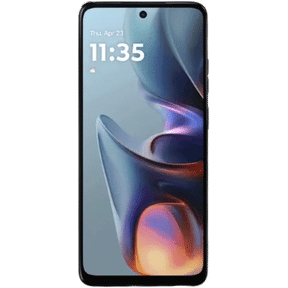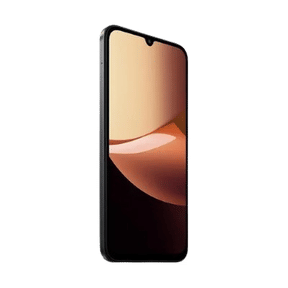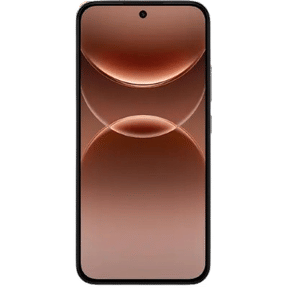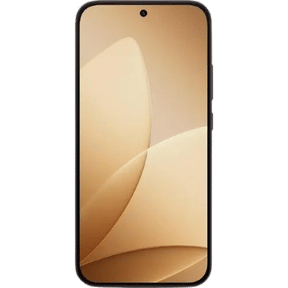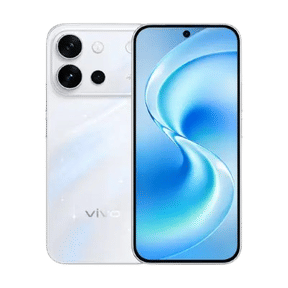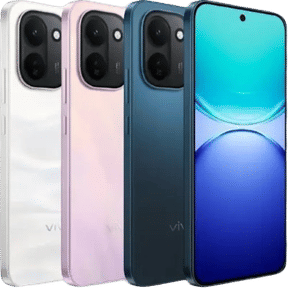


Poco X8 Pro Max was launched yesterday in the Indian market. This phone launched with 12GB of RAM, as the brand hesitated to offer more due to an alleged RAM shortage. Poco also manage to keep pricing under control by offering premium specs. On the other hand, iQOO 13 was launched last year, but thanks to its powerful chipset, ample RAM, and impressive camera capabilities, it remains relevant in the market. Today, I’m going to give you a detailed comparison of the Poco X8 Pro Max vs the iQOO 13 to help you decide which phone to buy in 2026.
Also Read: MacBook Air M5 Vs M4: What’s Actually Different?
Poco X8 Pro Max vs iQoo 13: Price And Availability
Before going into details, let’s have a look at the price details. The iQOO 13 price starts at ₹54,999 in India for the 12GB of RAM and 256GB of storage version. The price for the larger version with 16GB of RAM and 512GB of storage is between ₹59,999 and ₹66,999 as of mid-March 2026. You can get it in colours like Ace Green, Legend, and Nardo Grey.
On the other hand, the Poco X8 Pro Max 5G price starts at ₹42,999 for the 12GB RAM and 256GB storage option. The most expensive version with 12GB of RAM and 512GB of storage is priced at ₹46,999. This phone comes in Black, Blue, and White colours.
| Feature | Poco X8 Pro Max | iQOO 13 |
| Launch Year | 2026 | 2025 |
| Chipset | MediaTek Dimensity 9500s (3nm) | Snapdragon 8 Elite (3nm) |
| CPU Speed | Up to 3.73GHz | Up to 4.32GHz |
| Display | 6.83″ AMOLED, 1.5K | 6.78″ LTPO AMOLED, 2K |
| Refresh Rate | 120Hz | 144Hz |
| Peak Brightness | 3500 nits | 4500 nits |
| RAM | Up to 12GB LPDDR5X | Up to 16GB LPDDR5X Ultra |
| Storage | Up to 512GB UFS 4.1 | Up to 512GB UFS 4.1 |
| Rear Camera | 50MP (main) + 8MP (ultra-wide) | 50MP + 50MP + 50MP |
| Front Camera | 20MP | 32MP |
| Battery | 9000mAh | 6000mAh |
| Charging | 100W + 27W reverse | 120W fast charging |
| OS | Android 16 (HyperOS 3) | Android 15 (Origin OS 5) |
| Build/Extras | Gorilla Glass 7i, big battery focus | Flagship cooling, gaming chip |
| Price (India) | ₹42K–₹47K | ₹55K–₹60K |
Poco X8 Pro Max vs iQOO 13: Design And Display
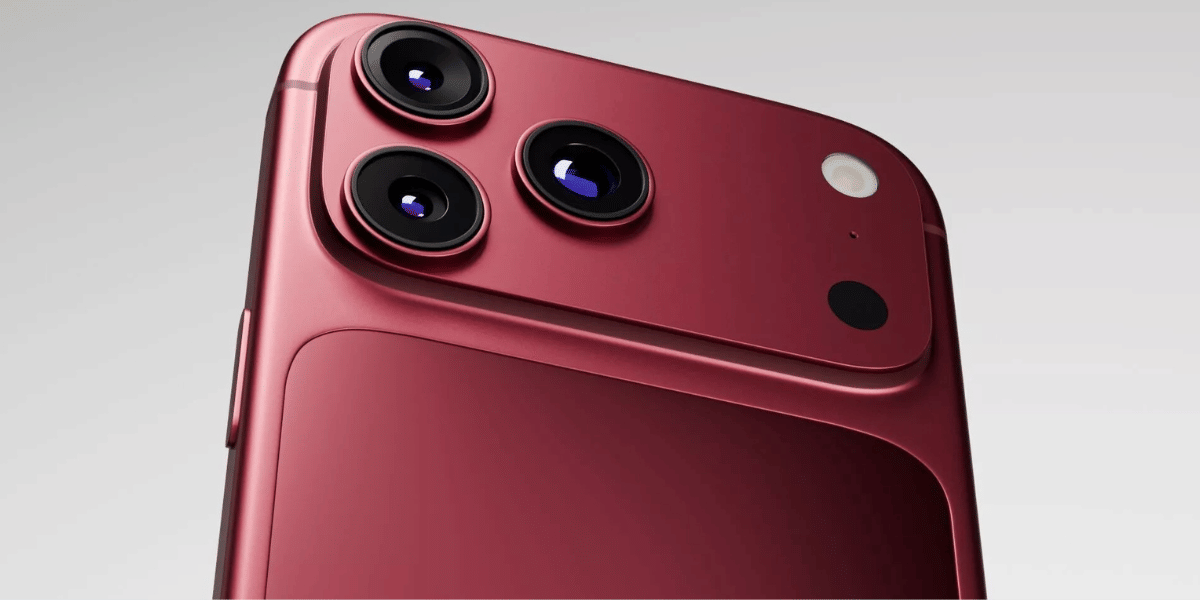
The Poco X8 Pro Max features a minimalist design with a dual-rear-camera setup, similar to the Apple iPhone 16. This phone has body dimensions of 162.9 x 77.9 x 8.2 mm and a slightly heavy weight of 218 grams.
Its front glass has Gorilla Glass 7i technology to protect against damage, and an aluminium frame and glass back give strength and beauty. Moreover, it has an IP68/IP69K rating for dust-tight and water-resistant performance, withstanding high-pressure water jets and being immersed up to 1.5m for 30 min.
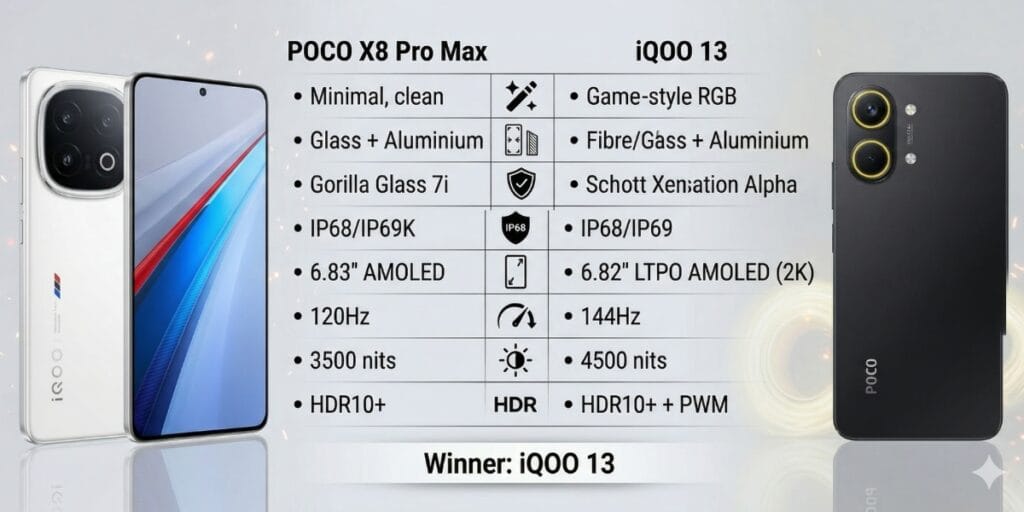
This phone also features a 6.83 inches AMOLED display with a 120Hz refresh rate and 3500 nits of peak brightness. Moreover, it supports HDR10+, allowing you to watch high-quality videos on OTT platforms.
iQOO 13 has an amazing finish with a fibre-reinforced plastic back, but glass back variants are available too. This phone has a aluminum alloy frame for the best strengthens. It is also IP68/IP69-rated for dust-tight and water-resistant performance. So, it can resist high-pressure water jets and be immersed up to 1.5m for 30 minutes. One standout feature here is the RGB LED light on the back, giving it a more gamer vibe.
This phone comes with a 6.82-inch LTPO AMOLED display with a 144Hz refresh rate and 4500 nits of peak brightness. It also has a 2592Hz PW to enhance eye protection and improve the user experience by minimising the negative effects of screen flicker. Furthermore, it comes with HDR10+ for high-quality content consumption.
Note:
The iQOO 13 clearly feels more premium with its sharper 2K LTPO panel and 144Hz refresh rate, making it better for media and gaming. Poco X8 Pro Max looks clean and solid, but the display is slightly behind in sharpness and brightness.
Winner: iQOO 13
Also Read: Samsung Galaxy S26 Ultra Alternatives Worth Buying In 2026
Poco X8 Pro Max vs iQOO 13: Camera And Battery
The Poco X8 Pro Max features a 50MP wide-angle and an 8MP ultrawide sensor. This phone takes amazing photos in daylight. But based on the initial impression, it slightly downgraded its camera quality in low-light conditions.
Users can record 4K video at 30 fps and 60 fps with the rear camera, and only 1080p with the 20 MP front camera. It also offers decent selfies in most of the conditions.
Moreover, the Poco X8 Pro Max offers one of the most powerful batteries, with a 9000 mAh capacity. Brand claims to offer up to two days of battery life on a single charge.
I saw a YouTube review where the reviewer claimed to deliver roughly 11–12 hours of screen-on time under heavy use, including extended gaming and media consumption.
iQOO 13 comes with amazing camera setup with 50MP wide, 50MP telephoto, and 50Mp ultrawide sensor. This phone takes clear and colourful photos, even in low light.
It has a strong main camera sensor, the Sony IMX921, and uses VCS 2.0 technology, making it great for taking photos on the street and in portraits. Although it doesn’t have the special zoom lens like the last model, the 2x zoom still works very well.
Moreover, it has a 32MP front camera that captures vibrant, colourful selfies. But users can record 8K video at 30 fps with the rear camera and 4K at 30 fps with the front camera.
Furthermore, the iQOO 13 comes with a 6150 mAh (Global) and 6000 mAh (India only) battery. It usually lasts about 8 to 9 hours if you are using the screen, or around 1.5 to 2 days before it needs to be charged again.
When you charge it, it can go from 1% to 50% in just 14 minutes. If you want to charge it from 1% to 100%, it takes about 30 minutes with a 120-watt fast charger.
Note:
iQOO 13 delivers a much more versatile and reliable camera setup, especially in low light. However, Poco X8 Pro Max dominates battery with its massive 9000mAh unit, easily lasting longer than most phones.
Winner: iQOO 13 for camera, Poco X8 Pro Max for battery
Also Read: Google Pixel 10a vs Apple iPhone 16: Which One Delivers Better Value In 2026?
Poco X8 Pro Max vs iQOO 13: Performance and Software
The Poco X8 Pro Max comes with Mediatek Dimensity 9500s (3 nm) for smooth performance. This chipset is built on a 3nm process, which means it is more power-efficient, delivers higher performance per watt, and offers better thermal control. It helps the phone to achieve crazy battery life, like 9000mAh, with less heating during daily use
You can multitask smoothly, open apps quickly, and run heavy games like BGMI and COD Mobile comfortably. This chip also helps to phone with better image processing (HDR, night mode, AI enhancements) and faster processing for video and photos
At the same time, IQOO 13 comes with Qualcomm SM8750-AB Snapdragon 8 Elite (3 nm) become ultimate choice for gamers. This is built for pure flagship performance, delivering top-tier speed, gaming power, and AI capabilities, though it prioritises performance over battery efficiency.
It can handle high-FPS gaming, ray tracing, and stable performance during long gaming sessions. This phone also offers advanced on-device AI processing, which helps in camera optimisation, voice assistants, real-time translation, etc.
Talking about software, the iQOO 13 comes with OriginOS 5 (and Funtouch OS 15 globally), and you can even upgrade it to OriginOS 6. I’ve used this UI on several phones, and overall, the experience is smooth and feature-rich.
Some elements feel inspired by iOS 26, like the Dynamic Island-style animations and parts of the settings UI. That said, there is still noticeable bloatware.
On the other hand, the Poco X8 Pro Max runs on HyperOS 3, which brings a fresh and modern design. It feels cleaner by comparison, but still has some pre-installed apps.
Note:
iQOO 13 offers top-tier flagship performance, making it ideal for gaming and heavy users. Meanwhile, Poco focuses more on efficiency and stable performance, with a cleaner UI experience compared to iQOO’s feature-rich but slightly bloated software.
Winner: iQOO 13 for performance, Software, Tie (depends on preference)
Also Read: OPPO Find X9 Review: Flagship Performance Meets Real-World Camera Challenges
Verdict
In the Poco X8 Pro Max vs iQOO 13 comparison, the iQOO 13 stands out as a more complete flagship with better performance, cameras, and display. However, the Poco X8 Pro Max makes a strong case with its massive battery. Also, its aggressive pricing makes it ideal for users who prioritise endurance and value.
Are you still browsing through your broken screen? Don’t worry! Book an at-home mobile phone screen repair with Cashify—an affordable and one-stop destination for all your mobile phone needs. In case you break your screen within 1 month of repair, we will replace your screen again—for FREE.