The Indian government enforces a major new rule called SIM binding for messaging apps, set to take effect from March 1, 2026. The Department of Telecommunications (DoT) directs popular platforms like WhatsApp, Telegram, Signal, Snapchat, ShareChat, and others to link user accounts continuously to an active SIM card physically present in the device. This change aims to boost security, curb cyber fraud such as digital arrest scams and SIM-swap attacks, and track misuse better. Communications Minister Jyotiraditya Scindia calls it “the need of the day” and confirms no deadline extension. While telecom operators support the move, tech industry groups like Broadband India Forum (BIF) question its legality, claiming it exceeds powers under the Telecommunications Act. Millions of users in India face potential disruptions in how they use these everyday apps.
How SIM Binding For Messaging Apps Works And Key Changes
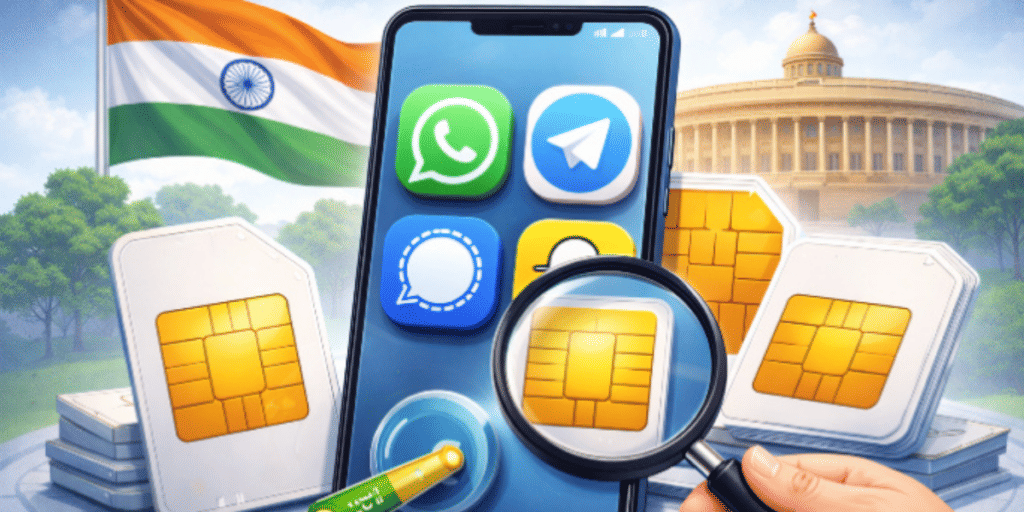
The rule requires messaging apps to verify that the registered SIM stays active and inserted in the phone. Apps check SIM details like IMSI regularly. If the SIM gets removed, deactivated, or replaced without proper update, access limits or stops on the primary device. Web and desktop versions face stricter controls:
- Web/Desktop sessions auto-logout every 6 hours unless users re-authenticate (often via QR code scan from the phone with the SIM).
- Multi-device setups, secondary phones, or Wi-Fi-only tablets/iPads may lose full functionality since no SIM slot exists.
- Frequent SIM changers or users relying on web logins for work face repeated logouts and re-logins.
This impacts everyday habits like using WhatsApp Web at home/office or linking to tablets. The government issued the directive in November 2025, giving 90 days for compliance, now ending with no extension. Apps must report compliance soon. The goal focuses on national security and reducing fraud, similar to UPI’s SIM verification.
Impact On Users And What To Expect
SIM binding for messaging apps hits hard for people who use multiple devices or keep phones without SIMs. For most, it means keeping the primary SIM in your main phone to avoid issues. Web users prepare for frequent re-scans. No major workarounds appear yet, though some apps test features. Critics worry about inconvenience for remote work or privacy, but supporters highlight fraud protection.
As March 1 arrives, expect updates from WhatsApp and others on exact changes. Stay alert for official announcements to keep messaging smooth.
Are you still browsing through your broken screen? Don’t worry! Book at-home mobile phone screen repair with Cashify—an affordable and one-stop destination for all your mobile phone needs. In case you break your screen within 1 month of repair, we will replace your screen again—for FREE.