

The comparison of HyperOS 3.1 vs HyperOS 3 makes perfect sense as of now. I have seen the time when custom ROMs were mandatory if you wanted the phone to be smooth. I’ve flashed countless beta versions and even followed leaked changelogs on Chinese forums.
Xiaomi is known for rolling out small, incremental updates and hyping them up. But the big question is: are these updates actually bringing meaningful improvements? People are saying that they are just minor tweaks focused on stability. In this write-up, I’ll break things down about the update patterns I’ve noticed over the years.
Also Read: HyperOS 3.1 Release Date, Eligible Devices, More Details!
What Was HyperOS 3 Like?
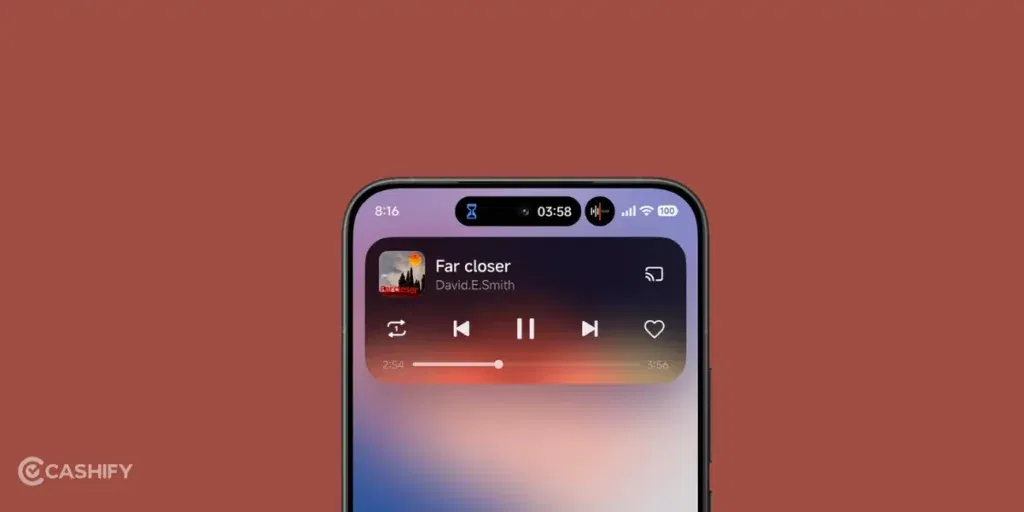
HyperOS 3 felt like a big step up for Xiaomi. Earlier MIUI versions were heavy and sometimes laggy. This update made things smoother. I saw this on my Redmi Note 15 Pro too. One of the main features was HyperIsland. It is Xiaomi’s version of Dynamic Island. It shows music, timers, and notifications in a small pill-shaped bar. This was actually useful while listening to Spotify or timing workouts.
I liked the AI wallpaper feature because it made simple photos look more interesting. The overall design also changed. Fonts became bolder, icons were rounder, and the home screen looked more modern. Lock screen customisation was better. Performance improved with faster app opening, smoother animations, better battery life, and less lag while gaming. This was seen even on older phones like the Xiaomi 12T Pro.
Overall, HyperOS 3 was a solid update.
What Changed In HyperOS 3.1?
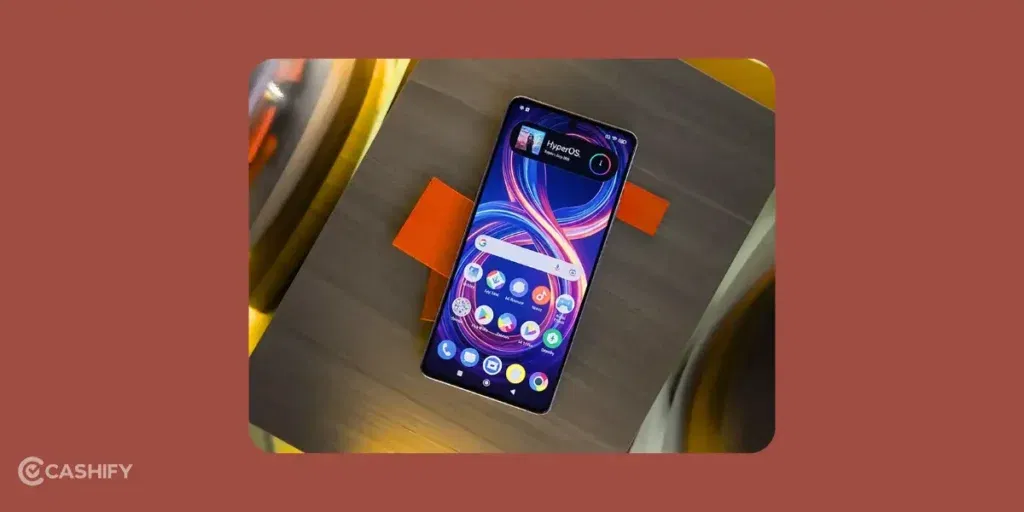
HyperOS 3.1 is here! It’s not a huge change from 3.0, but it makes things smarter and smoother. I tried the beta on my Xiaomi Pad 7 Pro since January. The new features are pretty cool.
| Feature | Notes |
|---|---|
| Super Island | Improved HyperIsland. It shows real-time info via Android 16 Live Updates. |
| App Updates | Gallery & Weather redesigned, faster navigation, cleaner interface. |
| Lock Screen | Depth effects, edit wallpapers directly, look more dynamic. |
| Super OTA | Updates install faster |
| AirPods Support | Native pairing, Spatial Audio, call/recording sharing, iOS SMS copy-paste. |
| Privacy | New Password app |
| Home Screen | Resizable folders, blurred backgrounds, and more customisation. |
Overall, HyperOS 3.1 doesn’t change everything. It makes the system feel smoother and smarter compared to 3.0.
HyperOS 3 Vs HyperOS 3.1: Performance, Battery, UI!
Performance & Stability
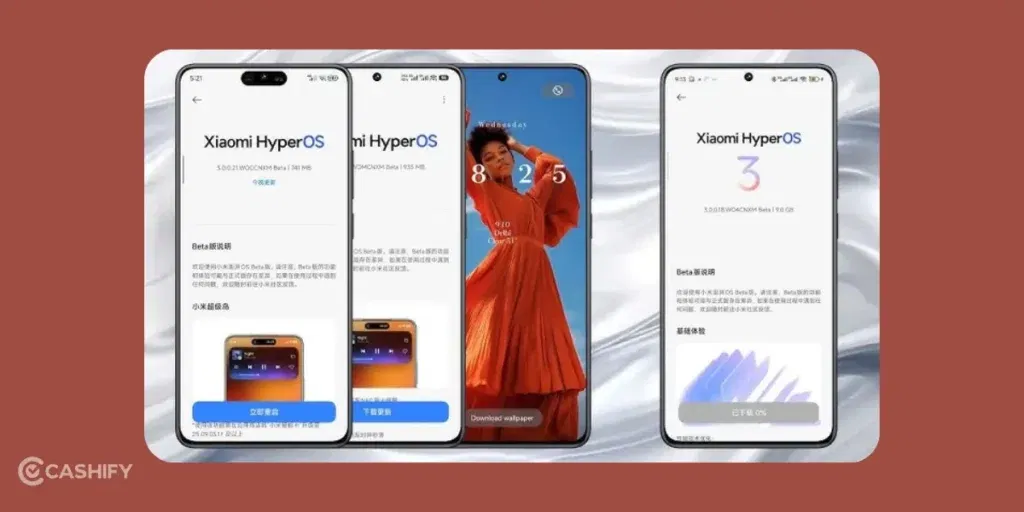
HyperOS 3.1 is smoother than 3.0. I checked it on Xiaomi 15 and apps open a little faster. I can say that they open about 15 percent quicker. Animations feel more fluid, and the new iOS-style app switcher is easier to use.
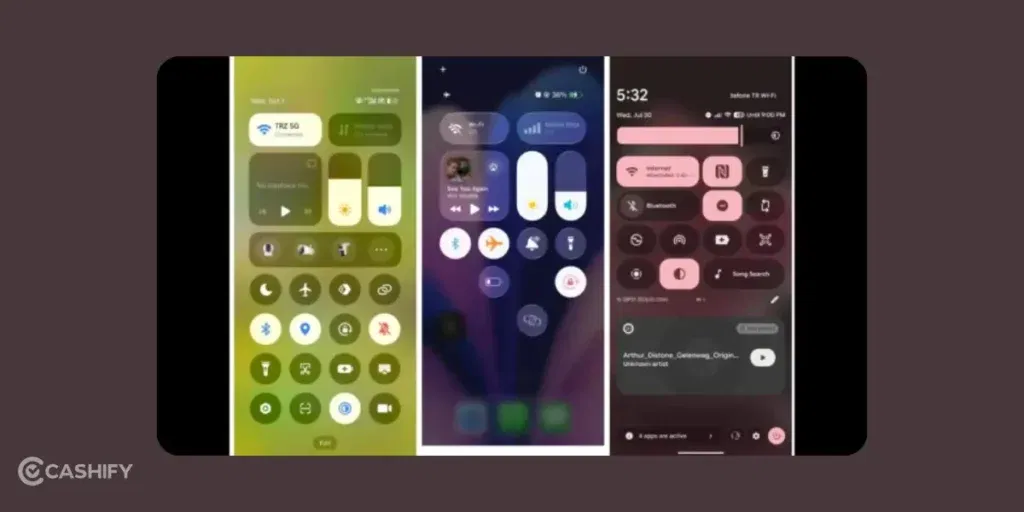
HyperOS 3.0 had some problems. There were random app crashes, but 3.1 fixed most of them by cleaning leftover MIUI code. Switching between games like Genshin Impact and browsing is smoother with less lag. If your phone is on an older Android version, the difference is smaller. Basically, 3.1 is 3.0 but more polished.
UI Tweaks and Changes
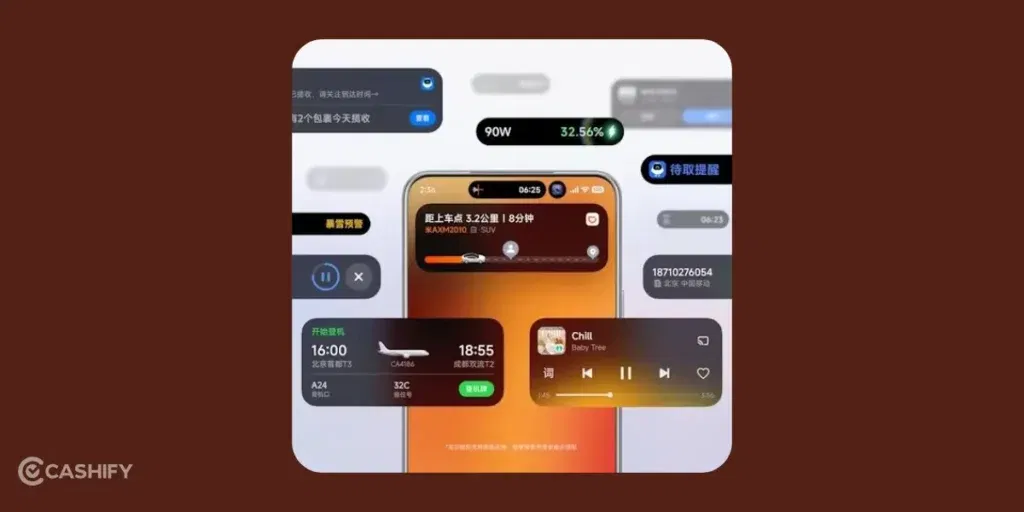
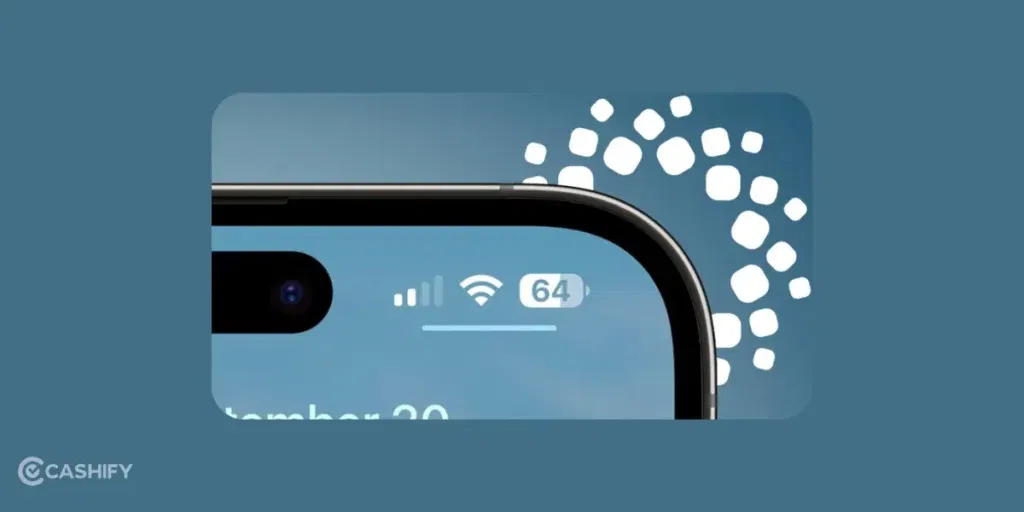
The user interface looks cleaner. Status bar icons are sharper, and media player colours are brighter. The new font is bold but easy to read. HyperIsland works better with third-party apps. You can now customise the desktop grid even more. It still feels like Android, but the Apple-style features like AirPods pop-ups are neat. There is one downside, though. Global versions sometimes lag behind China builds. There can be some icons or features that may be missing at first.
Battery Life & Heat
Battery life is slightly better on 3.1. I checked with the Pad 7, and it lasted about an hour longer on mixed use. Phones also stay cooler during gaming or charging. On Note 15, 3.1 gave 8 to 9 hours of screen-on time, compared to 7 to 8 hours on 3.0. Not huge, but noticeable for everyday use.
Bugs and Real-World Use
HyperOS 3.1 fixed most early 3.0 bugs. It fixed things like notification problems and gesture glitches. In daily use, it feels reliable for work calls, editing, and using AirPods. Rollouts are slower globally so that is something that requires patience.
HyperOS 3.1 isn’t revolutionary, but it’s smoother, more stable, and a bit smarter. It gives you a more polished experience.
Also Read: HyperOS 2.0 Eligible Devices, Release Date All Details List!
Final Lines
If you have a flagship like the Xiaomi 15 series or the Pad 7, upgrading to 3.1 is a good idea. The update makes your device smoother and faster. It also adds cool Apple-style features like AirPods support.
But if you have a mid-range device and 3.0 is working fine for you, it’s okay to wait. The HyperOS 3.1 update can take a toll on your old device. The changes in 3.1 are small, and beta updates can sometimes have bugs.
Xiaomi updates usually make devices last longer, but don’t expect huge improvements. Personally, I would upgrade for better performance and smoothness. But if you just use your phone casually, staying on 3.0 is fine.
Buying refurbished mobile phones was never this easy. Sell your old phone and get exclusive offers & discounts on refurbished mobiles. Every refurbished phone is put through 32-point quality checks to ensure like-new standards and comes with a six-month warranty and 15-day refund. Buy refurbished phone easily on no-cost EMI today!